Central Maluku
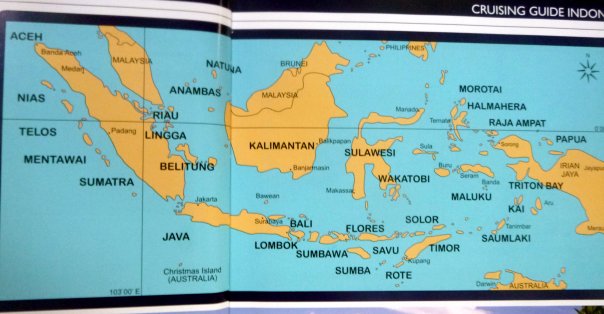
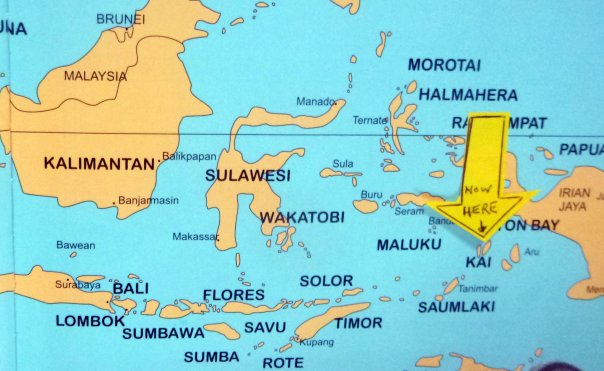
Banda Islands (Neira, Gunung Api, Banda Besar, Run, Ai), Saparua, Molana
1st to 11th August
(A note on the names above: Maluku is the Indonesian word for Moluccas; the Banda Islands (the core of the Spice Islands) are in Central Maluku. Neira etc are islands we visited within the Banda Islands group, and Saparua and Molana are other little islands – near Ambon – also in Central Maluku…….enough geography for now.)
A comfortable breeze in hot sun took Henrietta the 150 odd miles from Kai Islands to Banda Islands and we anchored among a dozen other rally boats between three of the islands, dominated by Gunung Api, the adjacent semi-active volcano. A local boat comes alongside to offer fruit, veg and laundry service. Declined for now but we arrange a lift ashore and…


…Next morning at 6am, Joyce and I are collected for the walk up Gunung Api. It’s not high at 2,100 ft but not easy either. No zig-zags, no steps, no ropes, just a straight line up an unstable course scree slope; two steps up, one step slipped down; and we’re both well past pension age too. After two mildly arduous hours, growing hotter and hotter and the day’s sun burning ever stronger, we’re there…sweat-soggy t-shirts to indicate effort. Puffs of sulphur-scented steam emerge hither and thither, and there’s the black lava ash evidence of the last major eruption on the western flank. That was 1988. Now Gunung Api is merely simmering – but it’s monitored closely. An hour on the summit to rest, enjoying views, selfies, breeze and bananas, then an hour slithering down the scree, bottoms well-bruised, but very content to have enjoyed a morning’s walk.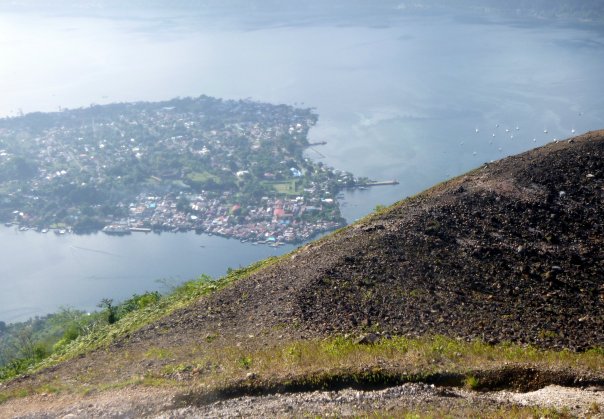
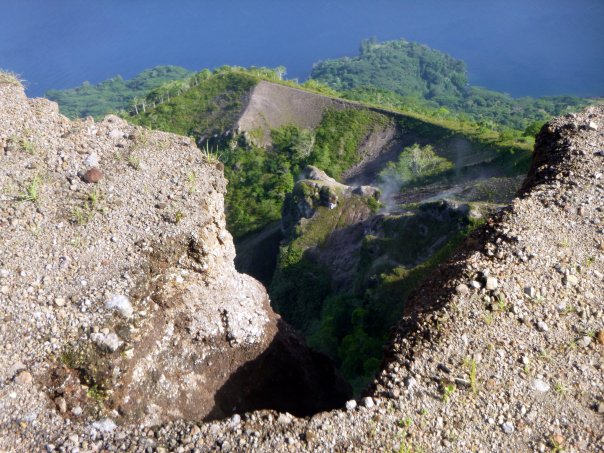
We enjoy the Banda Islands. There’s a small market, an excellent small local restaurant/hotel (Cilu Bintang) where the owner/manager, Abba, lets us shower, enjoy post-volcano siesta, and eat well.


Elsewhere one evening, outdoors under tropical moon and starry night, after restaurant rally supper, we watch a BBC documentary where Kate Humble flits about the Banda Islands (I hadn’t seen it in Britain). Geckos scamper jerkily up the walls, and wide-eyed local children stare at what’s going on. Kate shows us how to pluck a nutmeg fruit and chats amiably for the BBC. Sailing life offers so many of these almost surreal times.
And we visit nearby islands of Run and Ai, the former, would you believe it, once swapped for Manhattan. In the early 17th century, the Dutch ruthlessly held sway over the stunningly wealthy Spice Islands (cloves and nutmeg being especially sought after in Europe at the time). The English had a claim on Run, a thorn in the side of the Dutch monopoly. The Dutch had a claim in North America at New Amsterdam (modern-day Manhattan), where the English were otherwise dominant. After years of squabbling, brutal fighting, large-scale slaughter and dreadful Medieval torture, a truce was agreed by which the Dutch took Run and the English took New Amsterdam, now New York. ( “Nathaniel’s Nutmeg”, by Giles Milton, is a fascinating book if you want more.)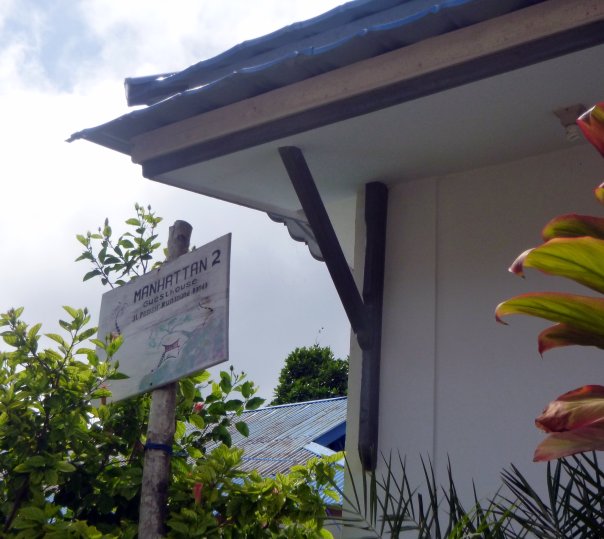
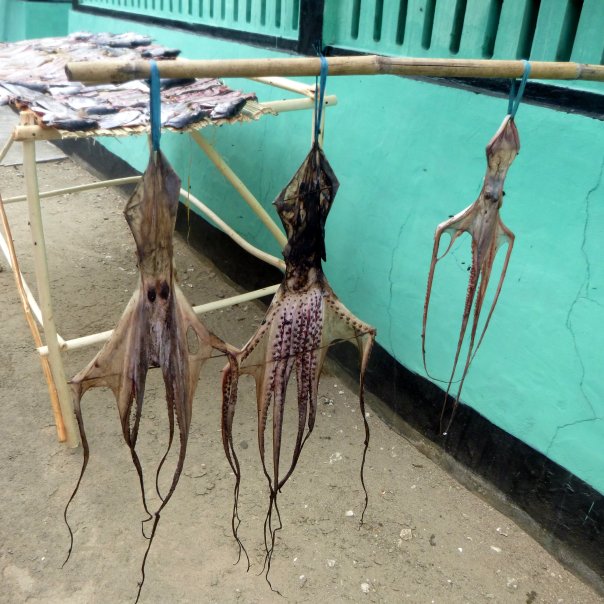
I’d have happily stayed longer but there are too many other places to go. And, feeling like a break from the Rally fleet, we went first for a night anchored precariously alone off the reef skirting the little island of Ai, then over to Saparua, some 90 miles away. Saparua is seldom visited by foreign boats and we’re besieged with inquisitive children – 15 on board at one stage. Initially they are shy. But after a while and with a smile of welcome, they are fascinated to have a look at how these foreign folk live at sea. We stay two nights, take taxi to the few desultory local sights, wander the streets of the nearby village, fill water tanks with the plentiful rainfall, and all our plastic bottles too. And much to girls’ delight, each enjoy a freshwater shower.


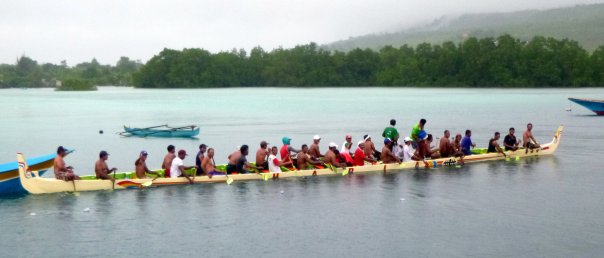
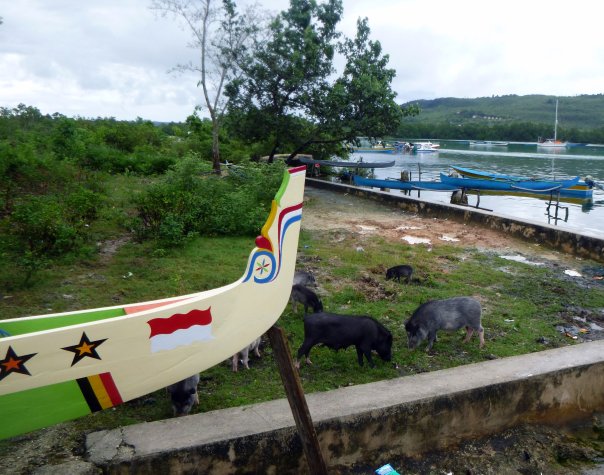
Ambon, about 40 miles away, is the large town in this area but everything I’ve read indicates that it suffers the plague of all fast-growing large Indonesian towns: plastic litter, grossly polluted water, smells and putrefying animal bits. We give it a miss. Instead, we are now anchored, again rather precariously (15 metres offshore in 26 metres of water), off teeny weeny islet, Molana. There’s no one here, the two bungalow ‘resort’ and small white sandy beach apparently deserted.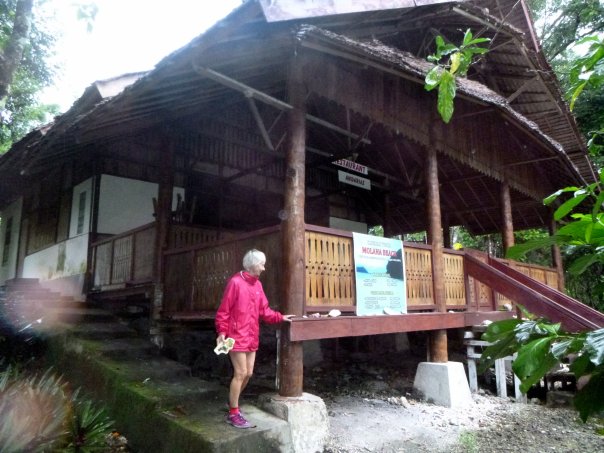
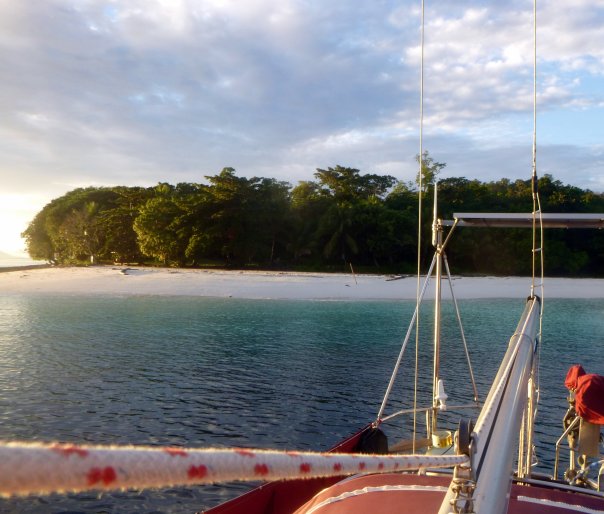

Once the wind arrives, we’ll sail a few hundred miles west. Time to get a move on, maybe meet the rally fleet again.


 Sailing Henrietta