Ponta Delgada, Azores to St Mary’s, Scilly, UK
4th to 17th June 2026
This was another slow and frustrating sort of passage: fickle winds, calms, sails flopping, flapping and cracking to start with; then abrupt change to rough and tumble sort of weather. Of my nine Atlantic crossings this was certainly the most tiresome. The weather has been so unpredictable that the various forecasting models have often been stumped and plain wrong.
Either I’ve outgrown solo ocean sailing or 2026 will go down in history as the year when climate change became irreversible and very seriously troublesome for us all, and maybe both. Instead of the normal nine days, the trip took nearly 12. It’s only 1,200 miles.
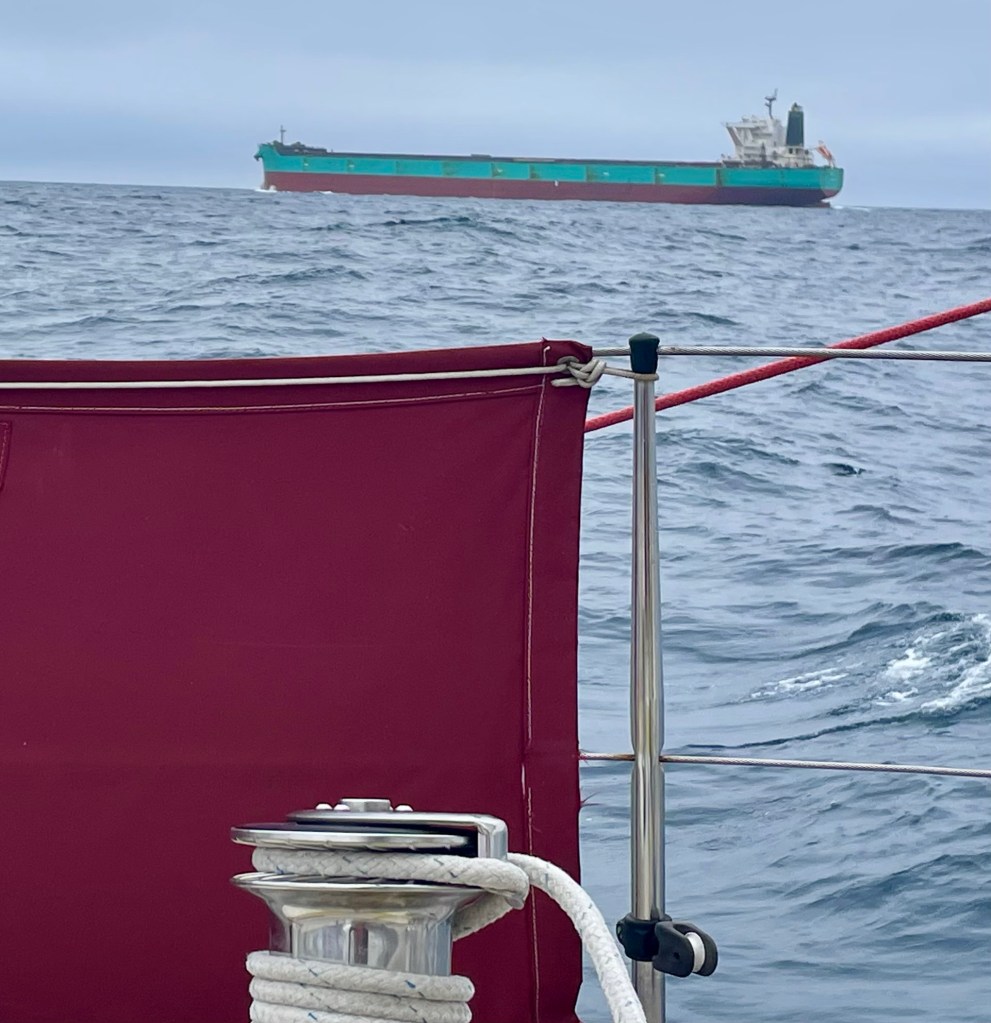
If you’re an anxious sort of person then there are lots of things to be anxious about when you go sailing over oceans. I shan’t begin to draw up a full list but, to start with, there is your boat to worry about: rigging might break, stopcocks fail, electric failures and fire, sails to be shredded, keels to fall off (and I now learn, a Russian frigate!). Then there’s the ocean and weather: storms and squalls, calms, lightning strikes, fog, collisions with ships, fishing boats, old containers, tree trunks and whatever, a whale to upend you, an orca to sink you. And finally there’s you: accidents to break your bones, sickness, fatigue, lunacy and worse – much worse.
See what I mean? A little boat on a big ocean becomes a minefield of anxieties; heaps of things to worry about. And that’s before you even start to consider really major anxieties like climate change, wars, pandemics and so on, let alone if it’s time to change your shirt or cut your fingernails. I don’t think I’m a particularly anxious individual but …..
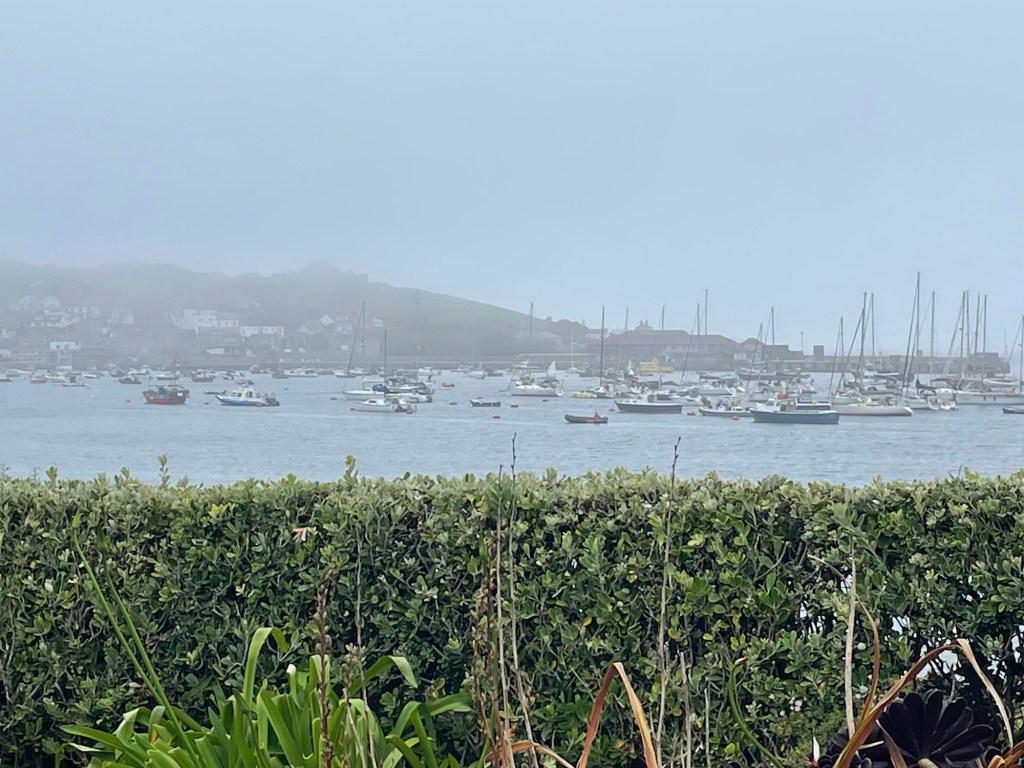
On this trip the one concern which upset my calmness the most was fog. Fog lasted on and off for four days as I approached the shipping lanes and fishing grounds west of the English Channel (and it’s foggy as I write this in the Scilly Islands). Wet, all pervading fog that reduced visibility, brought a chill to the air, blocked out sunshine (needed to charge batteries) and left me exhausted. As soon as I started to think it was getting clearer, back came the oppressive all- encompassing cloak of fog, fog and denser fog.
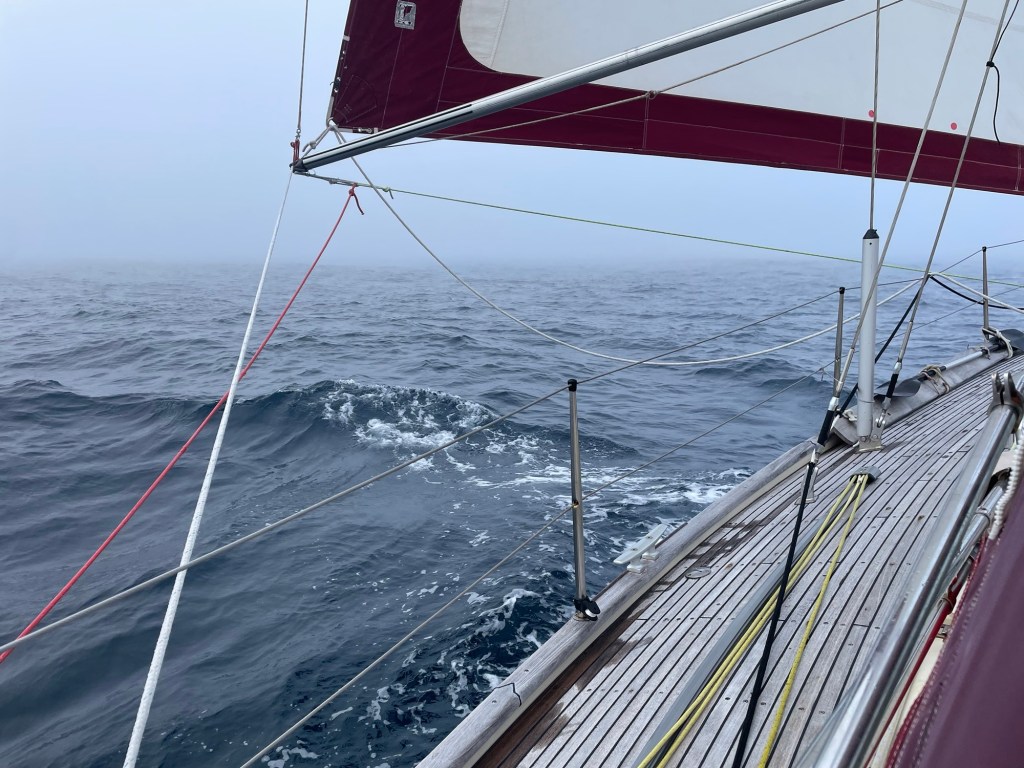
I sailed nervously in a white wet cocoon of fog. For, though I have radar and AIS to help see others (and help them see me), I feel doubly vulnerable and was constantly checking and peering into the gloom around me. It was a wretched sort of experience, though even then there was a memorable bright spell when a pair of pilot whales and then a pod of bottlenosed dolphins shared time in our murky little world. We chatted about the horrid weather.
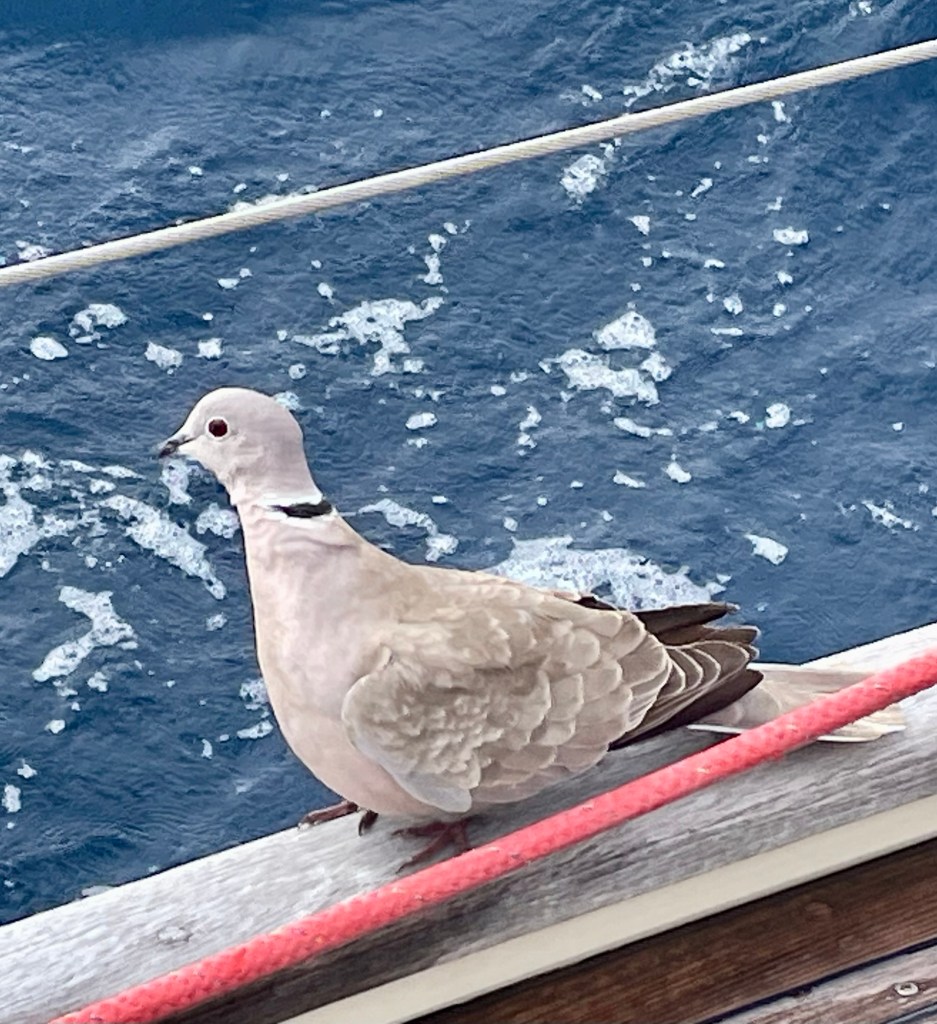
A dove joined me for a while. I offered him muesli, bread, rice and water but after a day he left and I guess drowned. They are land birds often swept away by strong winds.
Apart from storms driving vessels onto dangerous shores, fog must be the next most hazardous natural force on the seas.
Among the many dreadful maritime disasters caused as a result of fog, it was the Scilly Naval Disaster of 1707, when ships of Admiral Shovell’s fleet crashed into rocks near here killing 2,000 sailors, that led to the Longitude Act and thence to the development of an accurate chronometer for more accurate navigation. We now take accurate GPS navigation for granted but sometimes it’s worthwhile navigating without it. You learn how tricky things can be with poor visibility.
In 1875 in dense foggy conditions, S.S. Schiller the so called “Victorian Titanic”, hit rocks west of the Scilly Islands killing 311 passengers and crew. Many are buried in a local graveyard.
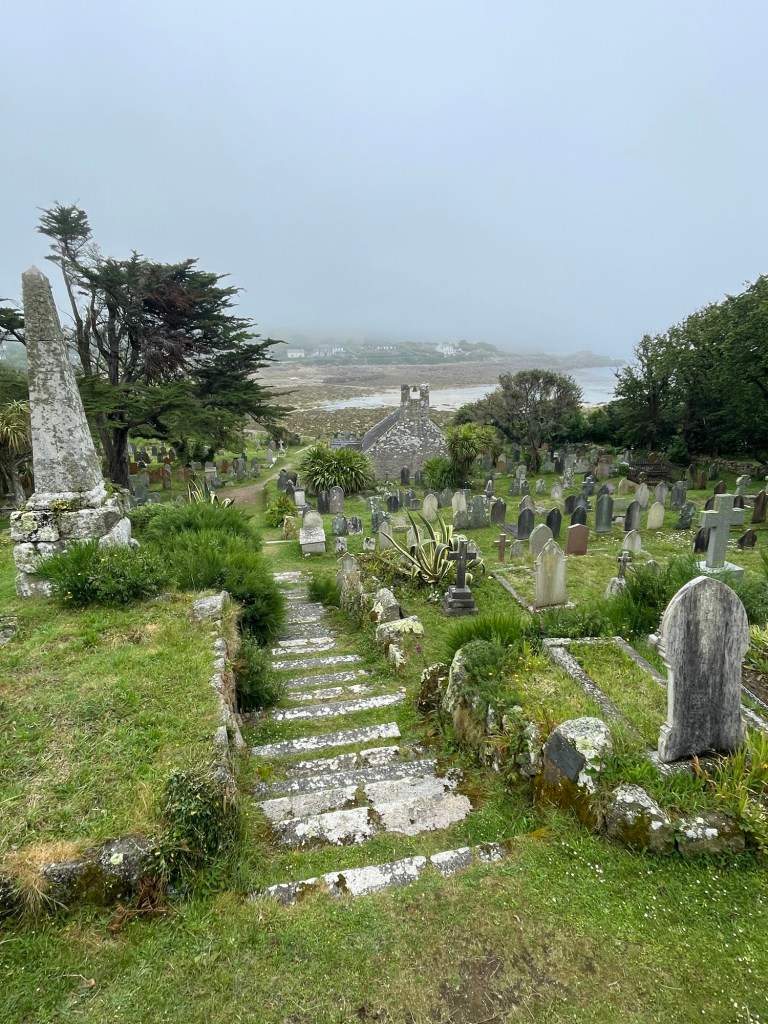
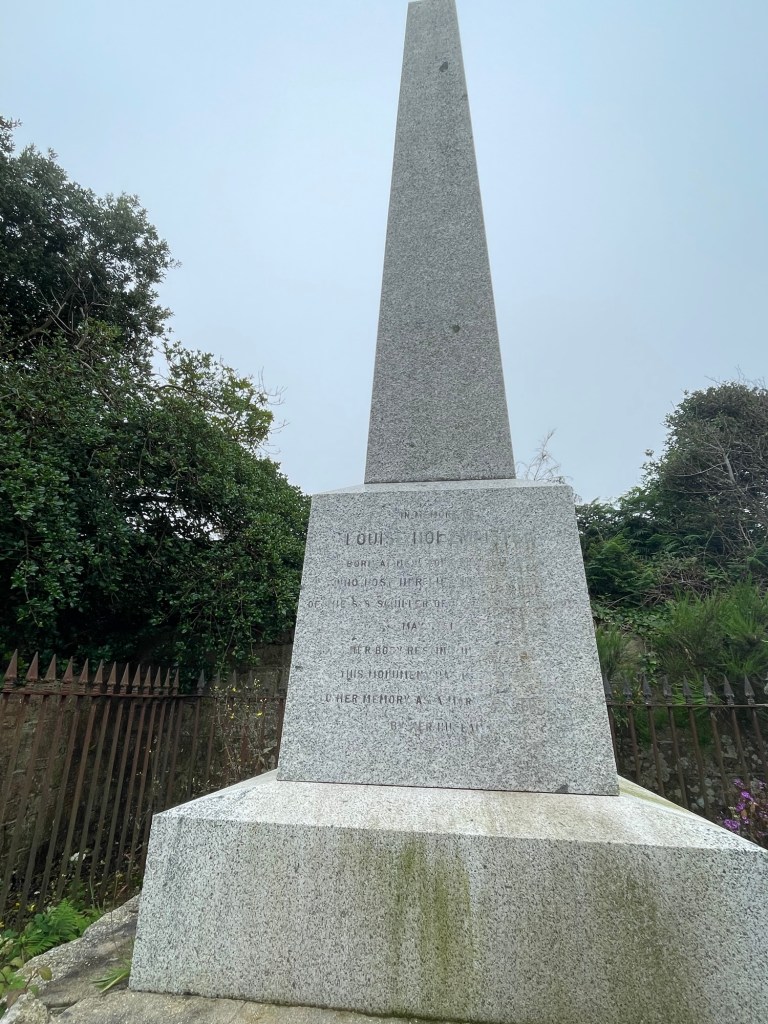
And more recently, it was collisions in fog in the Dover Straits that led to the creation of the world’s first ship Traffic Separation Scheme in 1967. Though initially voluntary its rules were tightened following catastrophic collisions in 1971. Two tankers collided and exploded, and two further ships then sank after hitting the wreck before there was time to mark it.
Fog is a real menace.
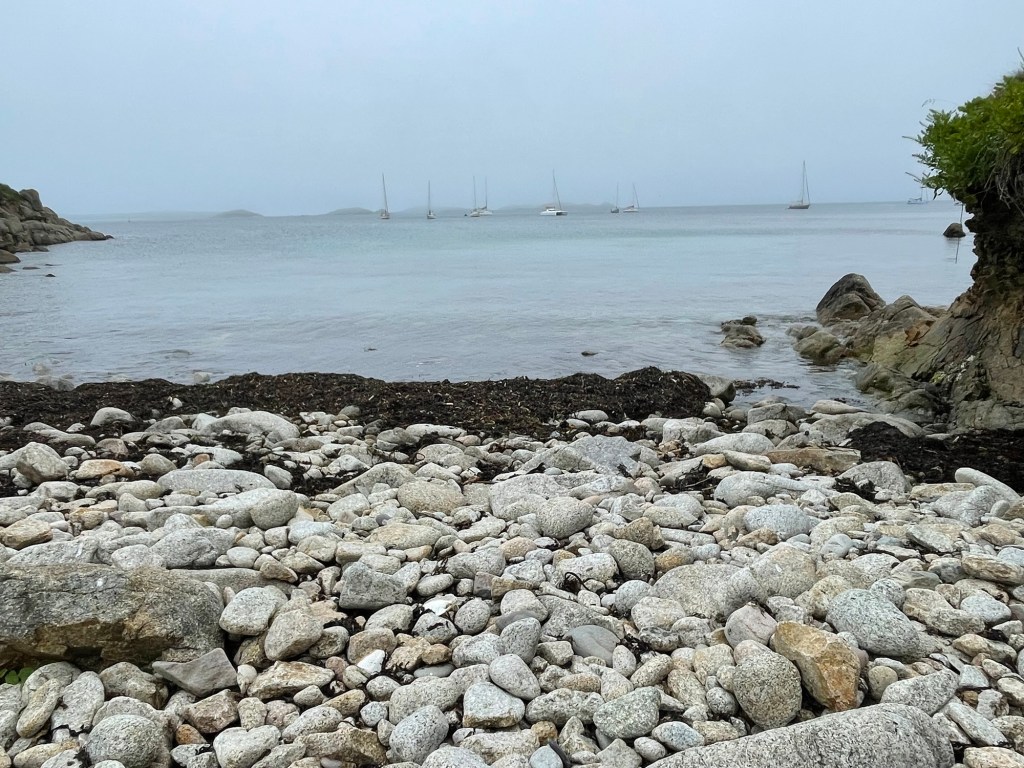
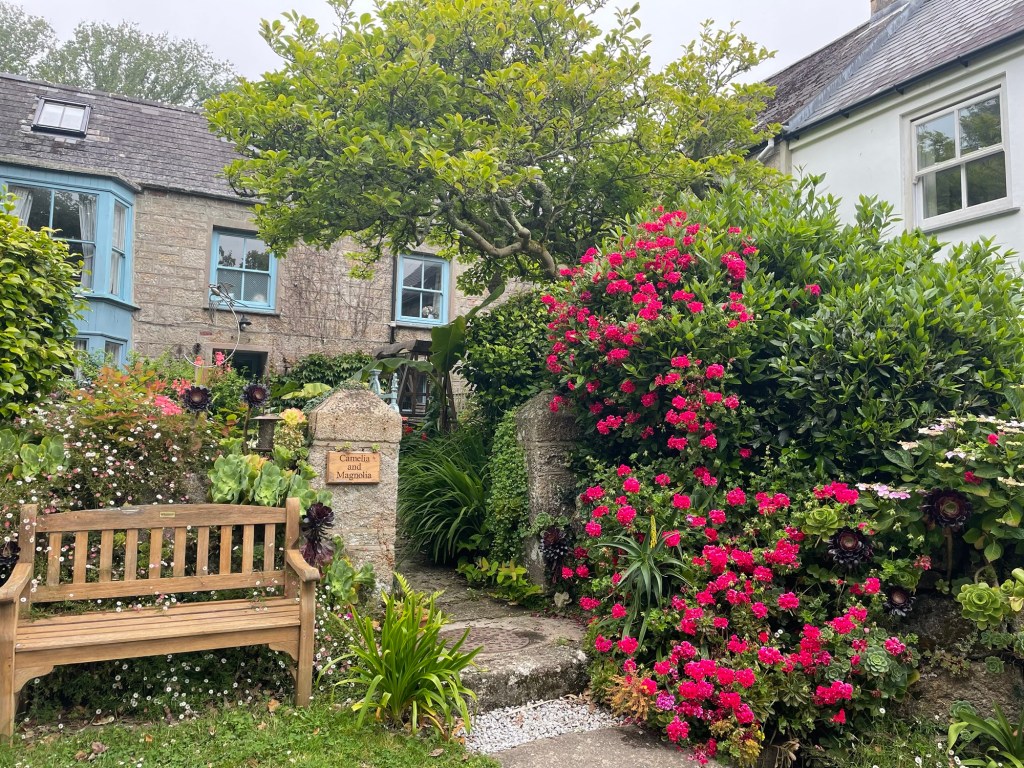
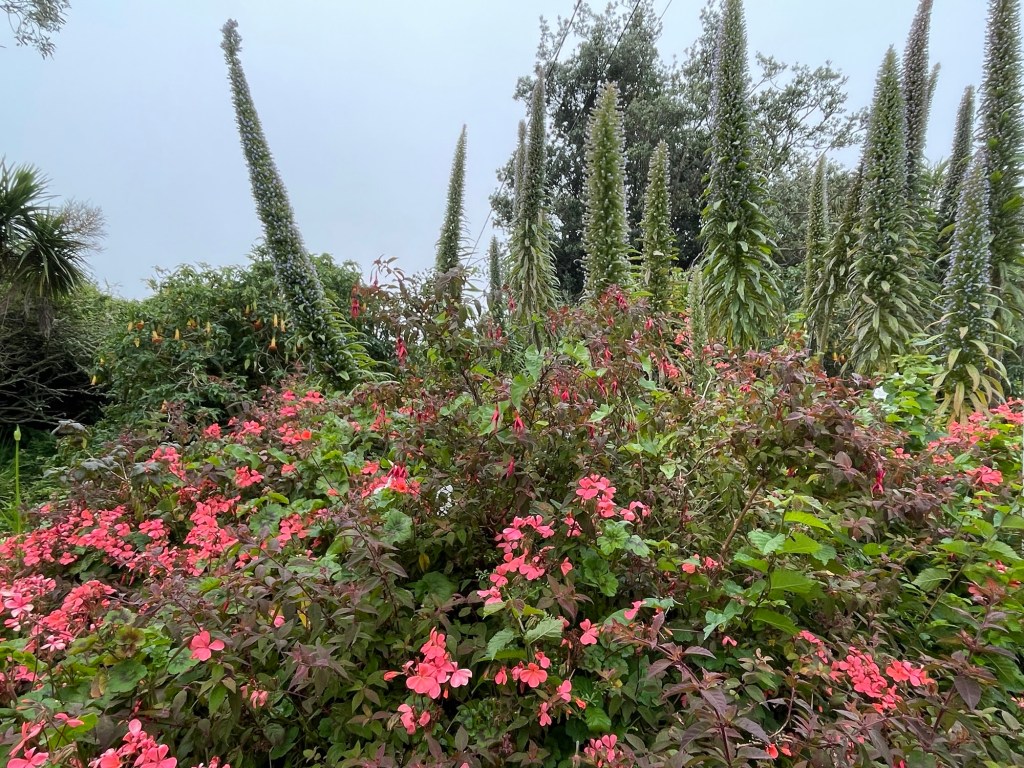
It has been a real delight to wander the verdant lanes and paths of St Mary’s. The countryside is beautiful, utterly intoxicating. Henrietta will not move till skies are brighter.

 Sailing Henrietta
what a shame to miss you. We were planning to sail to the Scillies but had a nasty collision with a lock gate on Vega (mechanical failure as entering lock) meaning she’s back in Portishead marina for repairs.
Annie & Hugh. SY Vega
LikeLike
we are extremely glad to see that you have crossed again safely. Enjoy your well earned English summer. Jules and Julie SY Mischief.
LikeLike
Awe inspiring adventures as usual. We enjoy following your travels. Have a great English summer. Jules and Julie SY Mischief.
LikeLike
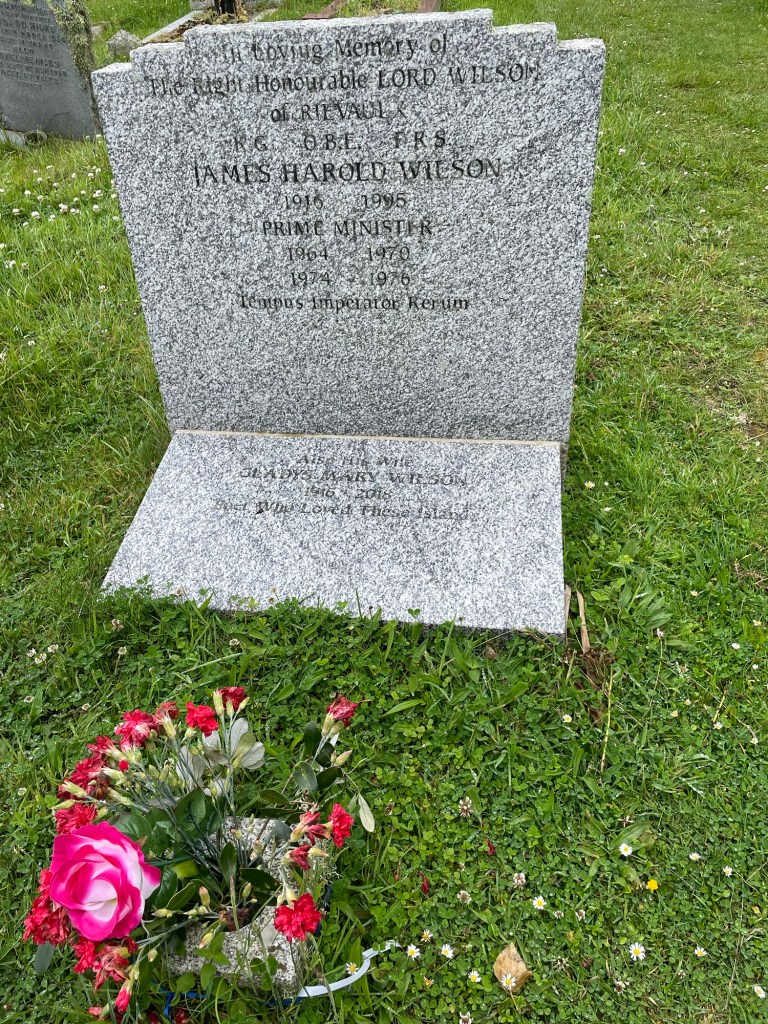
Another good one concerning the psychology, risks and hazards of solo sailing that I found interesting and insightful. By the way I note that former Prime Minister Harold Wilson was famous for taking his summer holidays every year in the Scilly Isles. You should check out his holiday shack and report.
LikeLike
Yes, Harold Wilson buried here and his wife Mary – in the churchyard shown!
LikeLike