Tourist visit to Singapore, and sailing around islands of southeast peninsular Malaysia to Tioman
29th April to 15th May
With Henrietta cosy and secure at Sebana Cove, Malaysia, I left her and took buses for a few days’ holiday in Singapore. (My sailing budget doesn’t run to the agent fees and marina charges for Singapore by yacht)
Singapore is fascinating for many reasons.
But before I launch into the usual tourist tales and tell you how amazing and wonderful it is, I should remind you that despite its amazingness, Singapore is a member of the shrinking club of countries that still retains the death penalty, and thus demonstrates its lesser known credentials as a ruthless, ultimately arrogant cruel and intolerant sort of nation, earning itself a place alongside some other well-known beacons of medieval enlightenment such as Texas and Saudi Arabia.
And should you believe it’s an appropriate form of retribution and deterrent to serious crime, it’s best first to seek out data to support your view.
(In case you wondered, Singapore’s preferred technique is long drop hanging, at Changi prison at dawn on Fridays. And in 2018 it possibly had the world’s highest per capita execution rate – 13 prisoners ended their days that way.)
When it comes to maintaining law and order, you probably already knew that you cannot buy chewing gum, spit or walk across the road against a ‘red man’. I am usually a law-abiding sort of fellow, who detests spitting and doesn’t much like chewing gum, but I feel tempted to try all three. It is surely innate in man to challenge rules that seek to bind us too tightly? (perhaps I’m just naughtier than I’d thought)
Anyway I was about to move on and tell you how efficient, clean, helpful and friendly I found the place. But then I recall the immigration hall queues at the Malaysia/Singapore border, a vast warehouse sort of shed that handles hundreds of thousands of people a day.
Up until I’d experienced this shed, I’d thought nowhere on the planet could surpass the United States for slow intractable unsmiling uncompromising border control. But I’m unhappy to announce that Singapore can; it’s even worse than busy times in American airports.
I know the land crossing is not Singapore’s Changi Airport (which I gather has a better class of visitor and has streamlined itself), but nonetheless, we’re still human beings even if we arrive by bus. After over an hour in the queue, which was moving more slowly than a meditating monk in neutral, and we were perhaps half-way there, a young child started screaming inconsolably in front of me; loud, incessant yells of anguish, and I know we all sympathised and wished we could join in the screaming. But of course we didn’t dare.
(If you find excessive queues when entering Britain, let me know and I’ll send you the address of the Minister to write to.)
Okay, enough of the sorry state of Singaporean rules and controls.
It is, despite its abhorrent sense of justice and these seriously negative comments, a fantastic sort of place. (I’d been born there a very long time ago, revisited a few times in the 1970/80s but not been back since.)
I shan’t whitter on too much about Singapore as a tourist mecca and streamlined business hub as you may have already visited yourself and, if not, the guide books will fill you in.
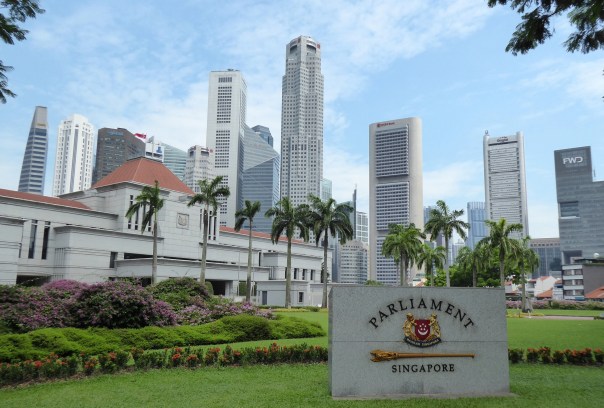
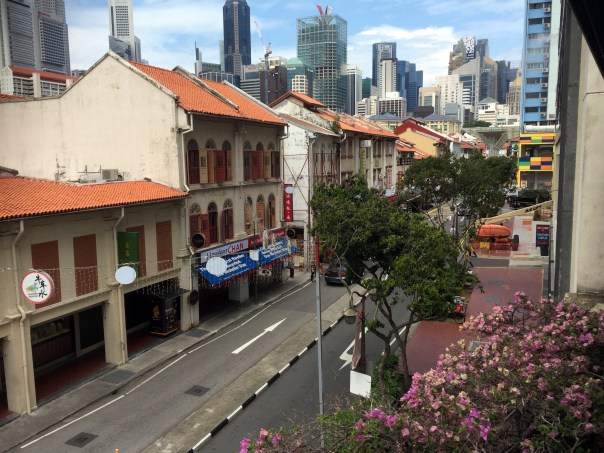
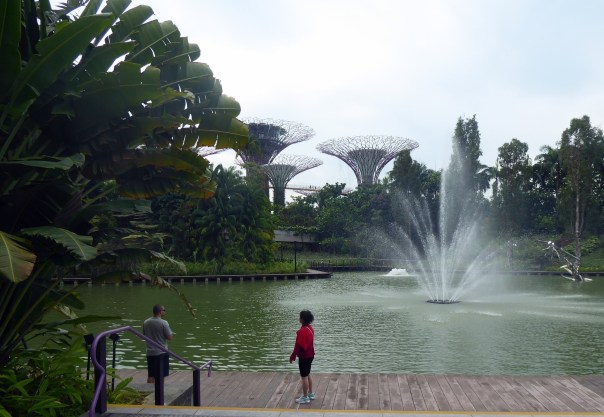
For me, the architecture (imaginative, super-modern, fabulous high-rise vistas from anywhere you choose, somehow still incorporating a few gems from its colonial past); top-class museums and galleries (well planned and beautifully assembled); a transport system – once you’re in – that should be the envy of any city in the world (spotlessly clean, quick, cheap and easy); fabulous gardens and public spaces that are both beautifully laid out and perfectly maintained….all these things make it unique, beautiful and a credit to urban planners, architects, engineers and the many others who create such a city.
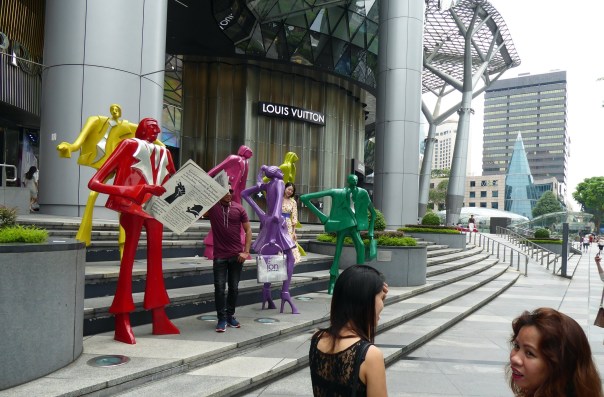
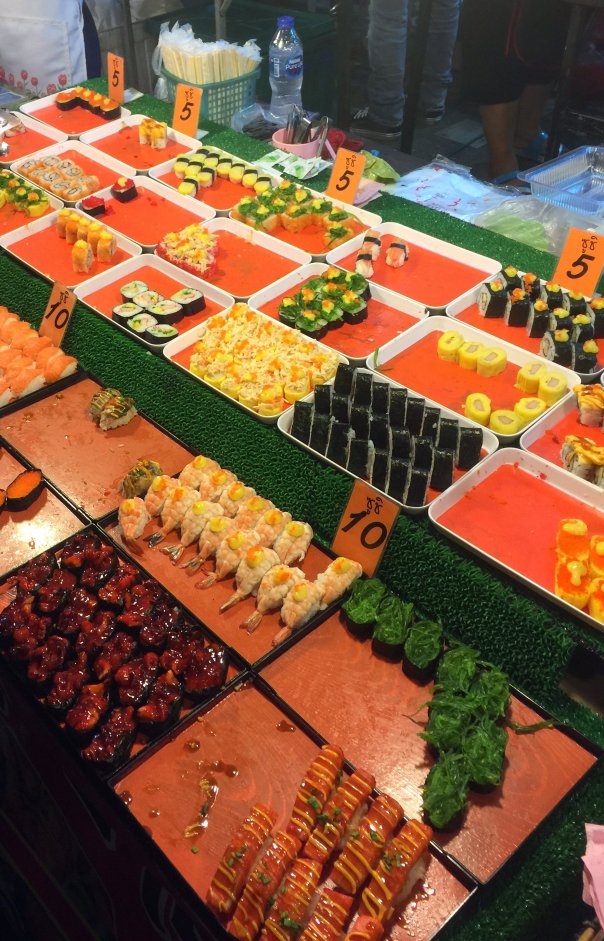
And if you’re into shopping and eating, there seem to be all the fashion labels and perfume houses you’ve ever heard of plus many more; and diets to suit any palate and any size of wallet in settings that vary from colourful roadside stall to air conditioned splendour (though I didn’t actually try any of the latter.)
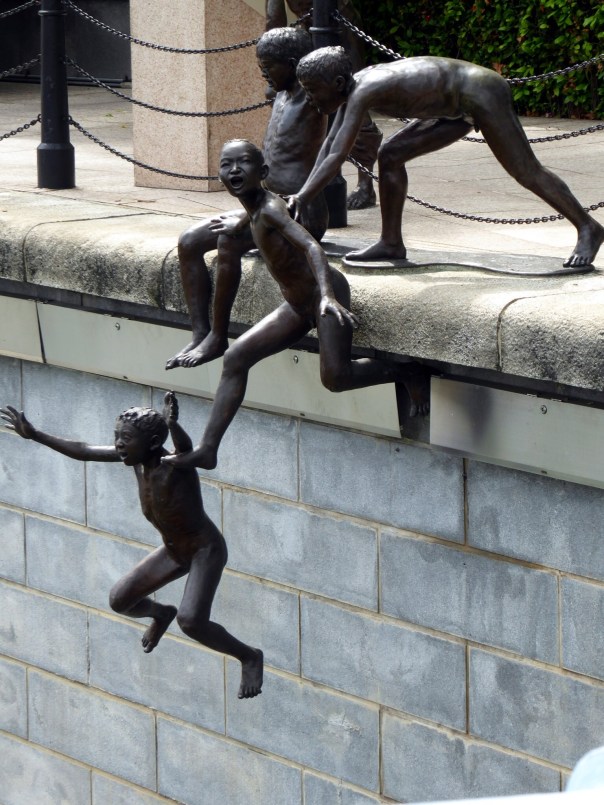
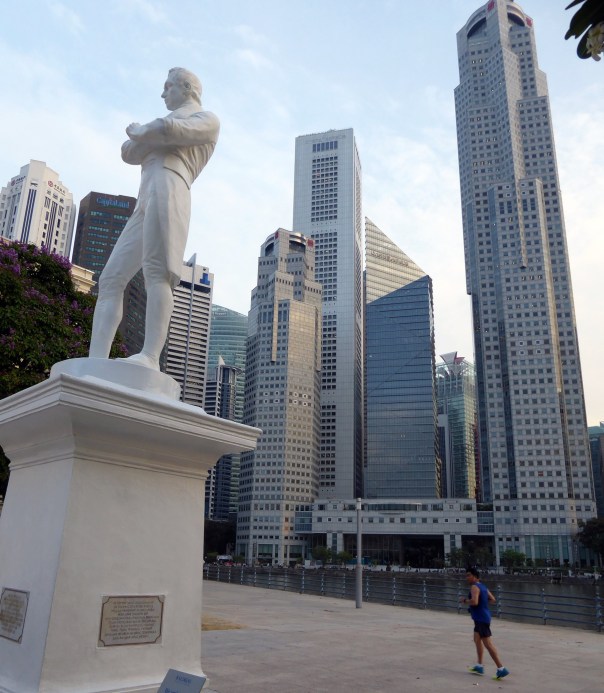
Here are some slides…
This slideshow requires JavaScript.
To think that in January 1819, a mere 200 years ago, the place had about 150 inhabitants and much of the island was inhospitable swampy jungle. When Stamford Raffles and Major Farquhar landed with their party of Britons and hangers-on they agreed with the local Sultan to rent the place for 5,000 Spanish dollars a year in return for exclusive rights to establish a settlement.
Big deals were managed pretty quickly in those days – though not without careful diplomacy of course, plus a lot of work, ambition, vision and surprising empathy.
I thoroughly enjoyed my visit. And I do still marvel that over five million people now live peaceably, tidily and politely on such a poky little hot and humid island.
I don’t know whether Singaporeans are happy (there didn’t seem to be much laughter going on). And perhaps more of us will have to live in such cities if we are to squeeze over 14 billion humans into planet earth in a generation’s time. But I’m glad I shan’t be one of them.
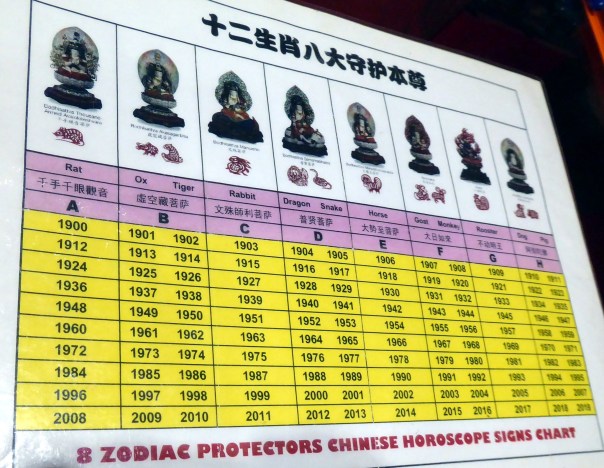
Oh yes! Here’s a little table to show which Chinese Horoscope sign applies for your year of birth. Combine it with the myths of the Western Horoscope and you’ll know exactly who you are…
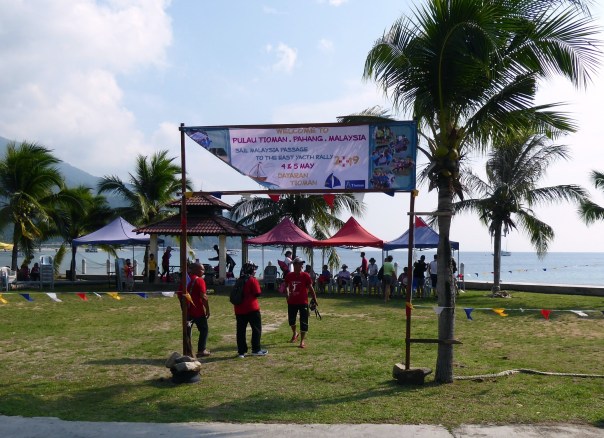
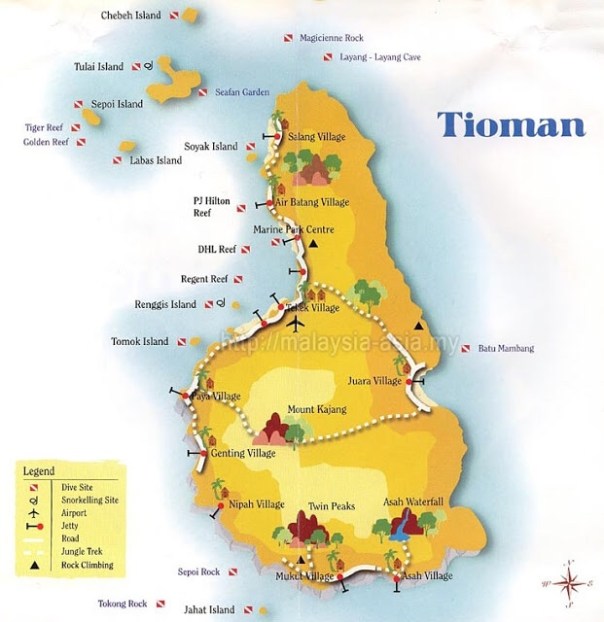
Once back aboard Henrietta a few days later, it was time to catch up other boats andI sailed off east and thence up the east coast of Peninsular Malaysia to islands around Tioman (which is itself an island).
I soon meet up again with sailing friends and find several more new good-natured folk to chat with. There are at least 20 boats of various shapes and sizes assembling hereabouts in a rather haphazard sort of way, and it’s a sociable way of life if you so choose.
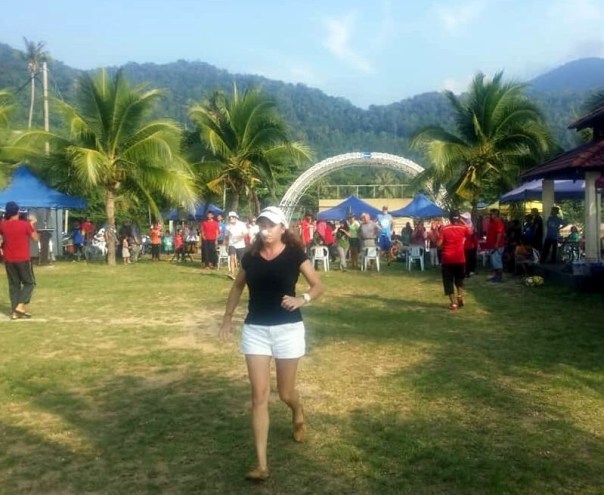
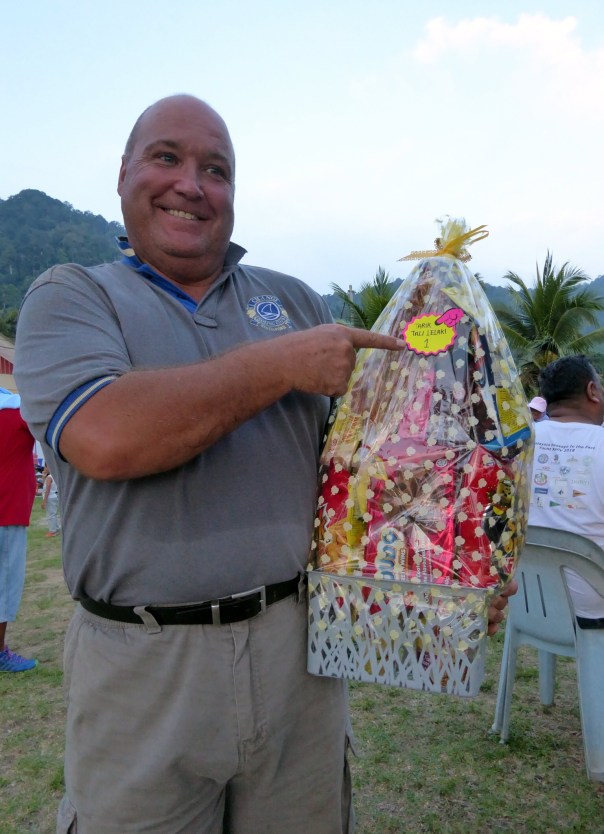
Day 1 in Tioman: I’d arrived just in time for games with local children and adults (Silly games and plenty of fun).
Sort of egg and spoon relay…Kevin, anchor man and captain accepts first prize for men’s tug of war…women, below not so solid…
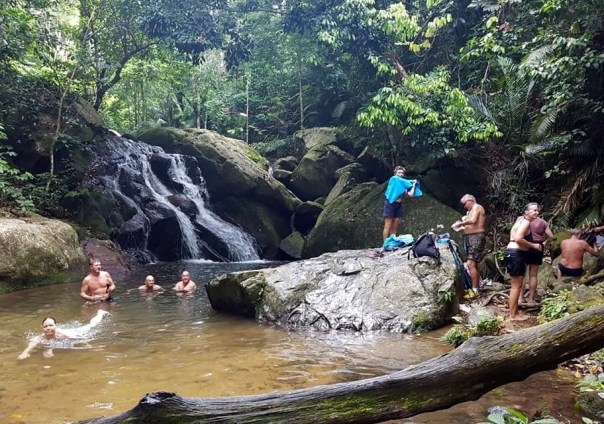
Day 2: We sweat and puff our way a few hours up a gorgeous tropical forest path to swim in cool not-so-clear waterfall pool.
Days 3 etc. More walks, more islands, more waterfalls, more snorkelling (lovely clear coral waters again), more chat, more friends, more beer ………
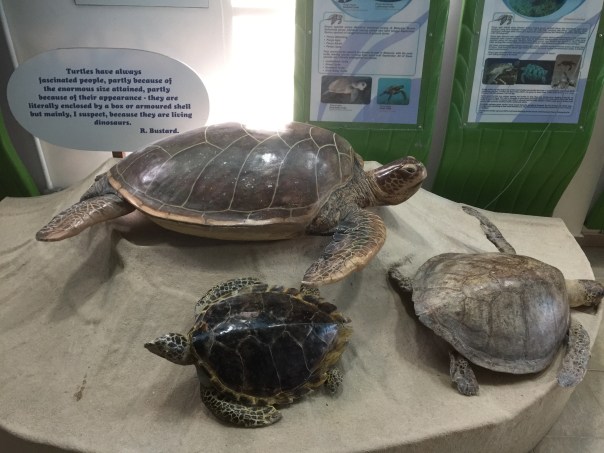
I especially liked visiting a Turtle Project on Tioman’s East coast. Perhaps a dozen young volunteers from around the world have created an information hub and turtle nesting area, where they enthusiastically tell us of the horrifyingly rapid drop in turtle numbers – in large part a direct consequence of man’s impacts (plastic and global sea temperatures).
The year’s first batch of baby green turtles hatch in the evening of one day I’m there, and 120 of these mini turtles scurry into the waves. Of a thousand that start out, they reckon as few as two will reach fertility, some 20 years later. Without ocean plastic it could be as many as ten.
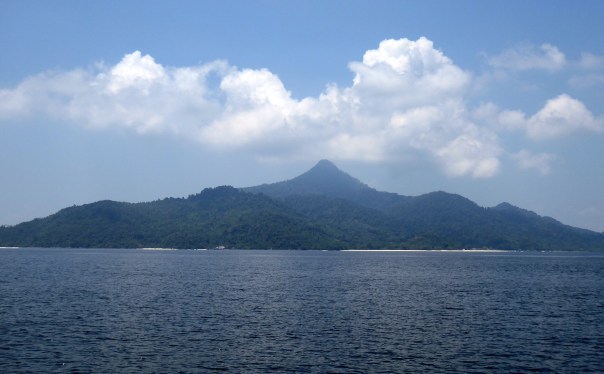
Next stop after Tioman will be the islands of Anambas and Natuna in Indonesia. These islands are about half way to Malaysian Borneo (Sarawak), and we’ll spend a month there.
Some boats seem to have left already. The rest of us wait for wind to fill our sails, not wanting to motor such a distance. (And anyway I’m licking some minor bruises and wounds from a little local motorbike accident….which was probably mostly my fault!)
Sea trials for Henrietta and Armelle, Cameron Highlands, Malacca Straits and East past Singapore
8th to 28th April
With propellor finally attached and working properly, Henrietta was launched and pretty much ready to go.
Next few months to cover some of this patch
First though, Parisienne friend Armelle comes for a visit. This is unexpected; and wonderful. I’d not seen her since Northern Thailand over a month ago.
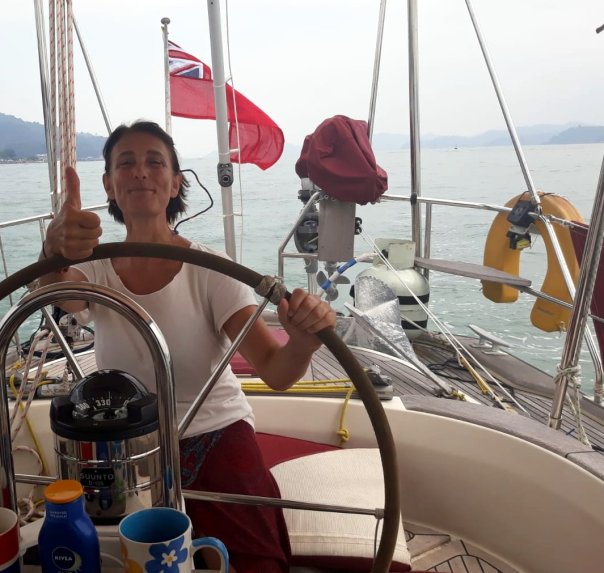
We took Henrietta for ‘sea trials’ over to the island of Pangkor; trials for boat and Armelle. Intensive sailing lessons too. She’s of course quick to learn; the helm, port/starboard, sheet and genoa, tacking, furling – words for which I do not know the French; I hear her practicing knots: “le petit lapin…le trou…l’arbre”. (Is this how French youngsters are taught the bowline, I wonder?)
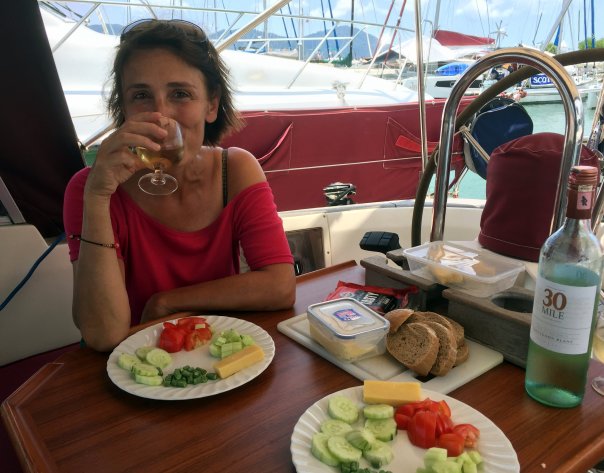
Lunch presentation improves
After walks ashore and night at anchor (on sea that’s seldom as calm as the River Seine), we head back to marina, abandon Henrietta, and drive inland a few hours to the Cameron Highlands (it’s an old colonial area high in the hills, well north of Kuala Lumpur, nearer the town of Ipoh).
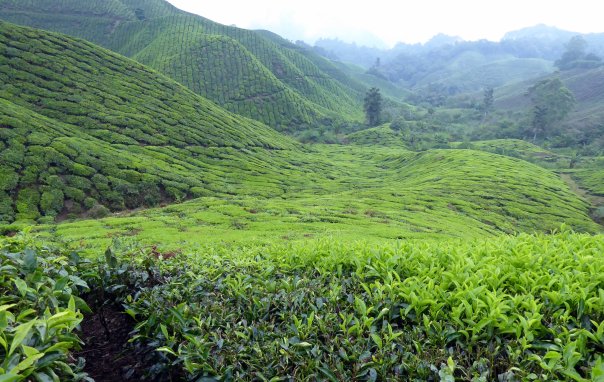
It’s blissfully cool after steamy sticky heat of the coast and there’s heavy rainfall most afternoons. The tea plantations cloak the hills in verdant beauty; and soggy little-visited mountain treks are heavenly. (You must turn a blind eye to acres of scarring plastic sheeting that envelope swathes of hillside, growing vegetables for the markets of Malaysia.)
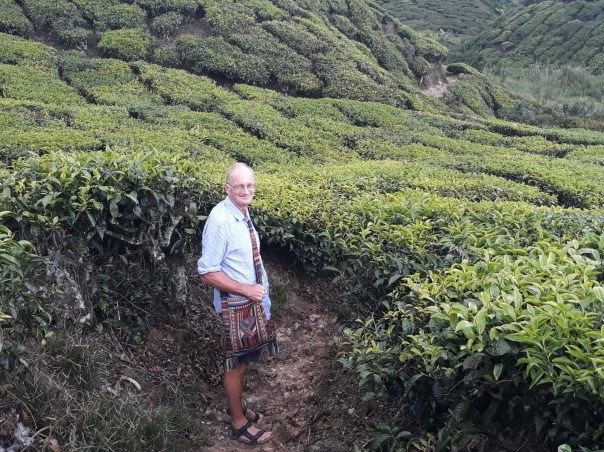
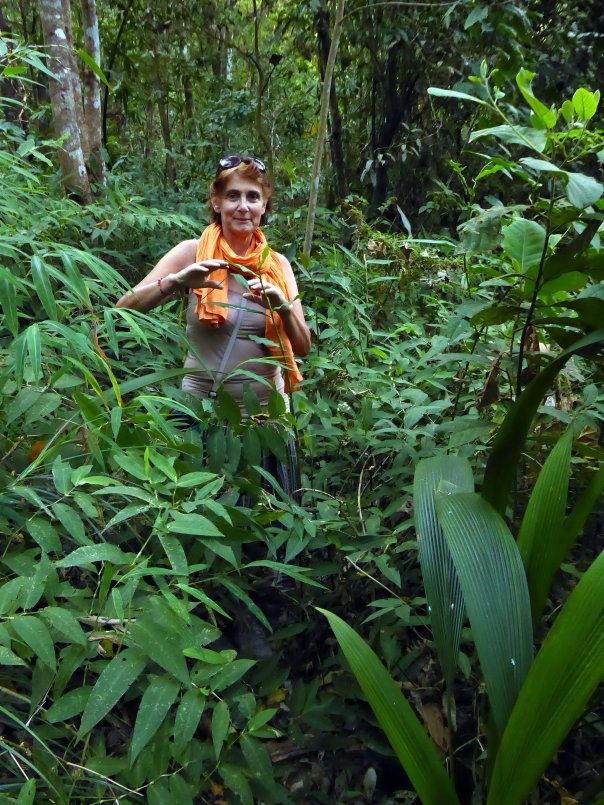
Tea plantations roll across vast areas of undulating mountainside, small tea bushes of dense cultivation, narrow paths between the bushes just about enough to scramble along (but I’m not sure we should be here!) The mountain path we choose next day from the peak of Mount Brinchang is not yet open or ready, is not signposted or on maps, and only a kind knowledgeable local Indian tells us how to find the start; but it’s magical, a fairy-tale land of moss covered trees and twigs, lush green creepers, muddy rocks, fungi and small crystal clear mountain streams. One of the year’s more memorable short mountain walks, and we see not a single other person along the way.
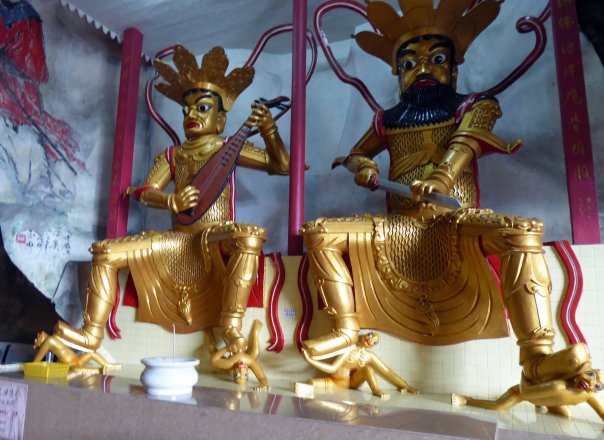
Next day, after stopping briefly at Perak Tong, an unusual and peculiar Buddhist/Hindu temple cave (no time for history lesson here), we head back to Pangkor marina.And a day later Armelle leaves for KL and NZ. I shall miss her.
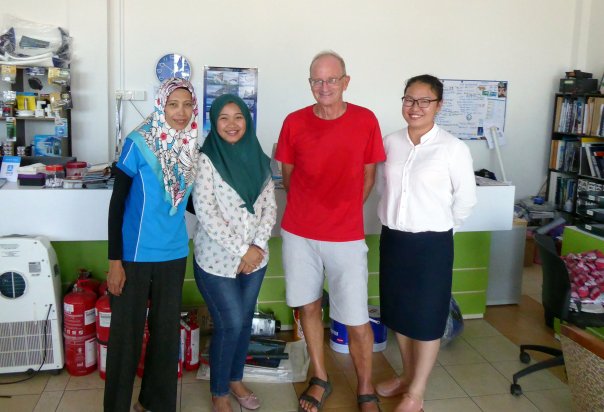
But I bid farewell to Pangkor’s wonderful marina staff
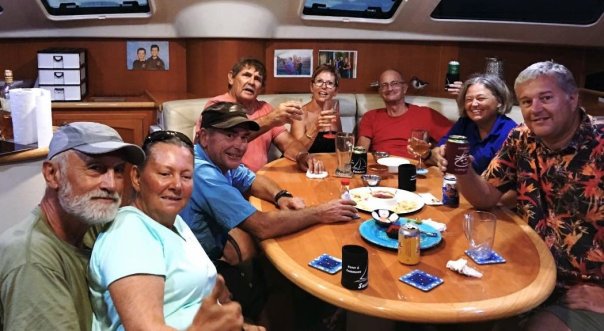
…and enjoy final marina on board drinks with friends (thank you, Geoff and Charmaine for the splendour of your saloon and hospitality…and Terry for photo)
And then, as they say, it’s time to move on.
First, clearance procedures; that’s immigration, harbour master, customs – three tedious and faceless offices a long way apart and a long way from the boat.
Mostly helpful and efficient people, but one unbelievable pompous tit-pip who suggests I wear long trousers ( so I nervously lower my shorts as far as they’ll decently go, nearly covering my knees, and he smiles and relents. After all, I had shaved, showered and worn my best clean clothes specially; and I’m an utterly innocuous old Englishman. But, long trousers? You must be joking.)
Sailing gently southwards (photo thanks, Il Sogno)
The almost brand new skyline at Puteri
Then I sail south. It’s about 280 miles from Pangkor to Puteri Harbour (near Singapore but in Malaysia). I planned to cover half with a day and night sail, then two or three day sails for the last and busier bit.
The first night, after an appallingly heavy hot humid stifling and sweaty day, and around midnight, the skies ahead start to light up with electrical storms, almost ceaseless flashes growing ominously closer and totally unavoidable.
Worst nightmare on board is being enveloped by thunder and lightning, much more alarming I find than any gale or rough ocean sea. This was my third such storm in five years, and definitely the worst.
It’s hard to describe the conditions and anxiety that accompany a severe electrical storm. And in this instance it was a dark night, and I was adjacent to busy shipping lane and about to cross the route that ships must take as they enter Port Klang (Malaysia’s busiest port, and though you may not have heard of it, it’s busier than any British port).
Suffice to say, I am rarely frightened, but now I was definitely shaky, (though I’m pretty sure there was so much electrical energy in the stifling air that even my little on-board brass Buddha was shaky.)
Before long the rain hits us and sudden squally gusts of wind reach 40 knots. Between the flashes of lightning it’s pitch black. My glasses stream with water and vision is blurred as I desperately keep alert for ships’ lights or unlit fishing boats. And around us vicious forks of lightning crash into the sea.
It’s like a scene from a film (I think ‘Life of Pi’ had one such scene) where special effects have produced images that you do not believe could ever happen in real life. But they do! That night they did.
In the midst of it all, there was the double beep as all Henrietta’s instruments failed, then died. A near-strike of lightning had triggered failure. No chart plotter, no autohelm, no depth, no wind speed/direction. I’m back to hand steering by compass – something that nowadays we so seldom do for long spells. (I don’t mind, but feel vulnerable to lightning strikes as I nervously hold the metal wheel and grow chilly in torrential rain.)…for obvious reasons there are no photos!
Anyhow, all unpleasant things must sometime come to an end. A couple of hours later there’s the sweet relief of still being around; I’m alive, the storm is well past, ships’ lights clear once more and by dawn, a gentle breeze to carry us the last few miles to Port Dickson.
Rebooting all instruments next day has all, apart from ‘wind’, working again – phew!
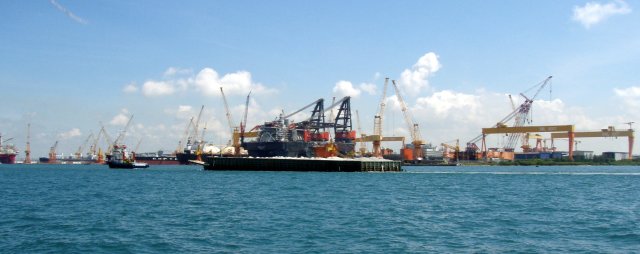
From Port Dickson to Puteri in Johor, and thence around the south of Singapore, we’re close to the world’s busiest shipping lanes and a near constant stream of massive cargo vessels and tankers scurry north and south feeding the needs and excesses of us all.It’s a ship-spotters paradise….
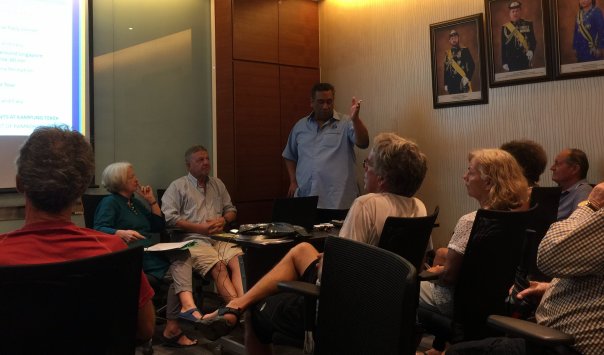
…but I dislike sailing alone at night near such traffic (there’s no chance of even cat-nap sleeping) and so cover the miles in daylight and enjoy a couple of peaceful nights at anchor, and some time in marina at Puteri.Rally briefing with Sazli – who tries to manage us…
I’ve joined another rally to sail east from here for a spell, around the top of Borneo in a few months’ time, the Malaysian bits of that vast island – Sarawak and Sabah), via some little-visited Indonesian islands (Anambas and Natuna) on the way.
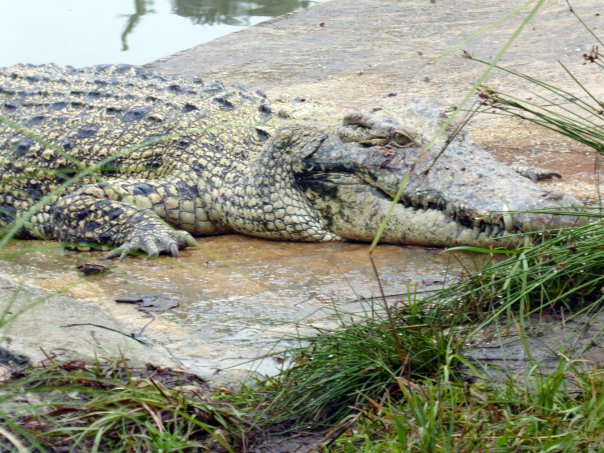
For now (that’syesterday) we visit crocodile ‘pets’ (yes, ‘pets’ – no handbags here – 1,000 living, vile and dangerous beasts), an organic fruit farm, horseshoe crabs (these mini beasts have blue blood – really ‘blue’ not ‘aristocrat blue’) and fisherman museum to start with.
It gets us in the mood, as it were.
Although not generally keen on ‘rallies’, it seems to be the safest way to pass the pirate/terrorist-troubled areas between Borneo and the Philippines (Malaysia provides armed escorting ships).
The rally will take us through to late August, and provides helpful advice for visiting some remote parts of East Malaysia; as well perhaps as new sailing friends along the way.
After that, I haven’t a clue where I’ll go. (At this stage of world sailing, few of us have very clear plans about what comes next – in life or on the sea).
In which Henrietta sails south from Phuket (Thailand), via Langkawi, and lots of little islands to Pangkor (Malaysia), and is lifted into the yard, and I travel without her to northern Thailand and Laos…., and return to work briefly frantically to have Henrietta relaunched (‘splash’ as Americans call it)
Final night at anchor before boatyard
23rd February to 5th April
It’s all been a bit of a blur if I’m honest. Too much to absorb and think about, let alone understand or make much sense.
But it has been overwhelmingly stimulating, rewarding, a lot of fun, often fascinating or very peculiar and, again if I’m honest, sometimes a bit wearisome. (Remember folks! I could be ‘at home’ enjoying my Senior Person’s Bus Pass, the latest Bake Off series on telly [if you’re not British, this is a popular TV series about people who bake cakes, a sort of baking competition – which may not even be on telly any more, I am sooo out of touch] and up-to-the-minute commentaries on Brexitalia, and the wonder of spring flowers bursting forth, and other things, which when feeling lost or nostalgic or sick, I do sometimes miss).
Now I’m rambling…So, what happened?
Well, I think it’ll be easier for you and me if I just copy a few diary entries (edited of course to miss out the juicy bits, the libellous stuff, and anything else that might incriminate me or make you think it isn’t all wonderful – which of course it isn’t always; and I might occasionally change names…just in case…and to save people’s embarrassment, and I shan’t begin to tell you of all the people I’ve spoken with)
6th March
Henrietta’s lift-out is tomorrow. So sail over to Pangkor marina, grounding briefly on mud at entrance – v. low tide (and yes, enough wind to sail – makes a change).
It’s been a brisk no-nonsense sort of sail south from Phuket, never more than one night anywhere, early starts and late anchoring. Just a day’s rest in the hospitable island of Rebak (Langkawi).
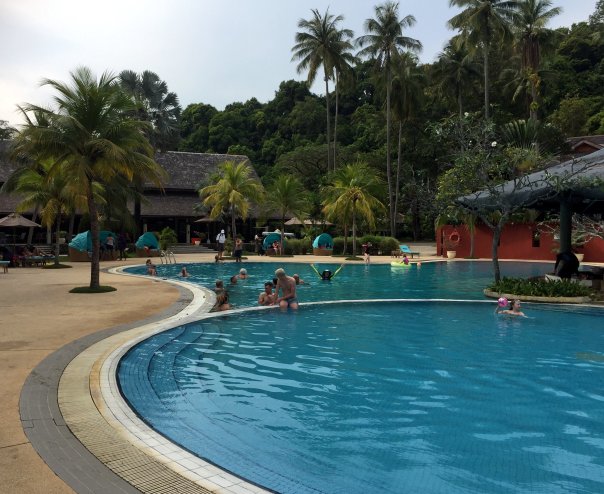
Rebak swimming pool
There’s always a borderline alcoholic friend or more to share a beer in Rebak, and that evening, competent musical sailors strummed and plucked and hummed their fare as we sipped our booze (and swatted at mosquitoes) next to the hot calm sandy tropical beach. This is often a happy mellow sort of life.
Rebak resort/marina’s swimming pool is a haven of delight, water well below the hot-tepid temperature of all other water I come across; and it’s nice enough to look at plump lady Australians going pink in poorly fitting bikinis spread out on the recliners around the swimming pool. (Wondered if I’d have the courage to chat to the two Australian ladies in question, but in the end realised it isn’t my place to give swimwear advice to anyone, plus I could see a diplomatic issue arising).
While on the topic of swimming attire I might point out that the islands of southern Thailand, by way of contrast, tend to have young pretty Westerners in nicely fitting bikinis (and some bulky Russians too) spreadeagled all over the place. Beer’s about the same price everywhere, and fizzy and cold (I tell you this in case you’re choosing where to have your next sunny break in Southeast Asia. Personally the beach life is of very limited appeal; I’m quickly bored with sweaty sunburn and seaside tat).
Beach life in Thailand suits some….
7th March
Henrietta’s lift-out earlier today was fine with cheery marina staff to hold my hand and get me plonked in a decent enough spot in the swelteringly hot sweaty sunny boat yard. Neighbours tell me of rats and ingenious ways to stop them clambering aboard. But others say the rats are all dead now because expert rat people came and poisoned them. (At least, I never see or hear a rat or have a rat in my bed whilst in the yard)
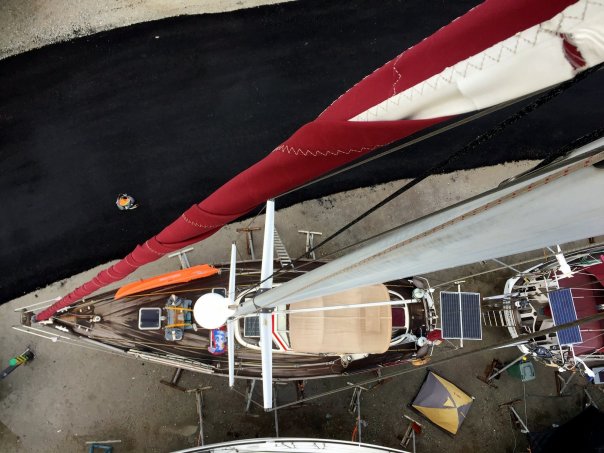
Fresh out of the water and work starts hereFixing stuff and checks at masthead
13th March
A week later….I’ve arranged a trip back to Northern Thailand. Tomorrow it’s a bus ride to Kuala Lumpur airport, then fly to Chiang Rai. I feel excited and Carlsberg tastes like nectar. This evening my neat minimalist backpack is just about ready: a spare pair of underpants, a note-book and pen and pills and two t-shirts and toothpaste (to keep to cabin baggage allowance).
After an industrious week in the boat yard I realise I’m a pensioner, and not totally impoverished, don’t have to work so hard and there’s no compulsion to be groaning and cursing and shaking and sweating and climbing masts and sweating and fixing dusty dirty boaty bits and still sweating and finally burning my delicate feet on the superheated deck (teak seems to reach frying pan temperatures by mid morning).
Also, here are expert Malaysian boat fixers on hand for doing almost everything, whether I can do it myself or not. (Among the things I cannot happily do myself is cutlass bearing replacement. For non-boaty people, this bearing seals the hole where propellor shaft goes out of the hull, so not something I want to mess up. We’d sink if I did.)
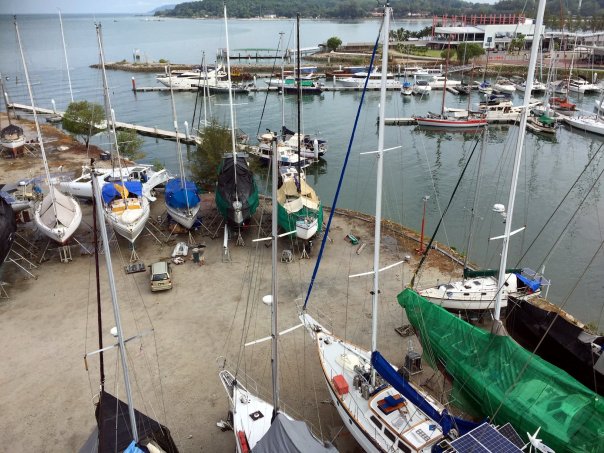
Boatyard and marina at Pangkor
17th March
Overland travelling, indeed travelling on land or sea, is for me a very intense experience:- daily meeting many new people, almost daily changing where I stay, temples, colourful markets, the strangest of foods and bone-shaking of transport.
Travelling people on boats are for the most part uncomplicated yet unconventional, though a small minority of them are I suppose some way beyond the norms of typical human existence; yet I love meeting them, hearing their stories of eccentric and adventurous lives (and, by comparison feeling utterly conventional and normal myself).
Travelling people on land are the same, this mix of straightforward unconventionality – although on average they’re about a third the age of the sailors and travel with fewer pills but much bigger backpacks. Most are younger more confident versions of myself, as I was 40 years ago. But some are really very extraordinary.
The first is a 25-year old very beautiful Thai woman who sat next to me and was happy to chat. (Please don’t jump to silly conclusions.) She was a postgraduate student of international relations, working in KL, boyfriend an Indian in Melaka, fluent English, as knowledgeable about Europe as you or me, courteously surprised that Britain wanted to ‘leave’. Despite her aspirations, Thai family ties and obligations had her heading back to a small town in far north Thailand; she felt she should be there a few months, and suggested I visit.
Then there comes an American from Seattle whose son (one of her ‘babies’) works as a Peace Corps volunteer up the road from Chiang Mai. Her daughter ‘baby’ is in Manhattan. Her name’s not Chantelle, but she doesn’t want to go back to the States,”…nothing good for me back home, but no money and I need new visa…” She talks a lot and says embarrassing things about female orgasms – I’ve only known her a few days. I feel uncomfortable but she touches me emotionally. She’s a lost soul, and potential liability on Henrietta (should it come to that). I flee. (Do these encounters happen to all of us?)
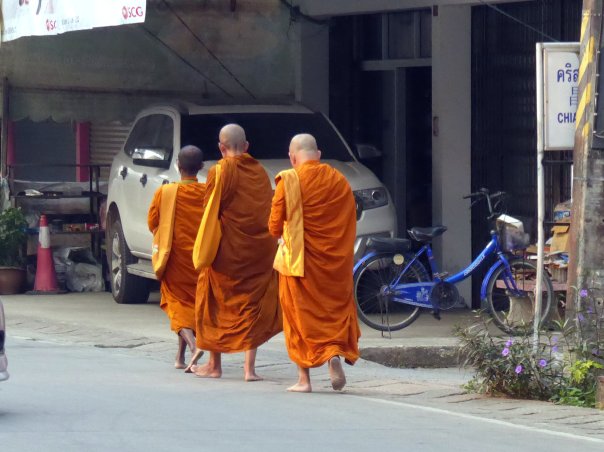
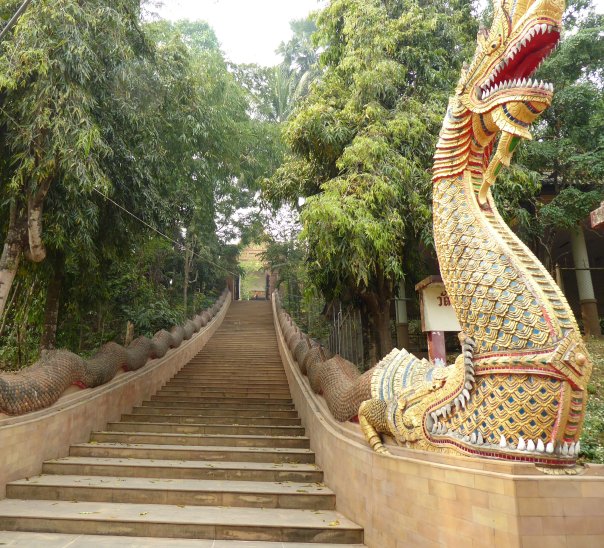
On the cultural front, and after a few days, I start to suffer from fairly advanced Buddhist Temple Fatigue. Magnificent, stirring, shining and colourful as they are, there really are an awful lot of them. The big touristy ones are busy, and we amble about bare-footed, quiet and respectful, snapping photos of nagas, and elephants and Buddhas and golden stupa domes; before heading off for a curry and fresh fruit juice. Personally, in temples, apart from the atmosphere of peace, I’m always impressed with folk who can sit still and cross-legged on the floor for hours, or even minutes – and are then able to stand up and walk away – as if they’ve just had a cup of tea.
My favourite temple, Wat Phra Kaew, is tucked away in a Chiang Rai backstreet. Dating from the 14th century it’s one of the oldest and has an enchanting history of myths that seem to envelop it now. Surrounded with many flowering plants and few people, mostly monks and novices sweeping the pathways. There’s a small tidy museum; and I go there a few times. It calms me and makes worldly stuff seem very distant, and has me thinking seriously about a few days silent meditation in a Chiang Mai monastery that someone had told me about. So tomorrow I’m off to Chiang Mai (a few hours by bus) to find out more.
20th March
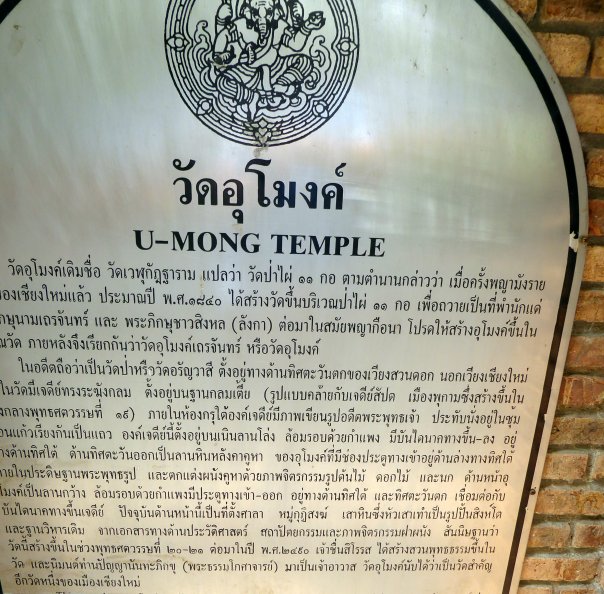
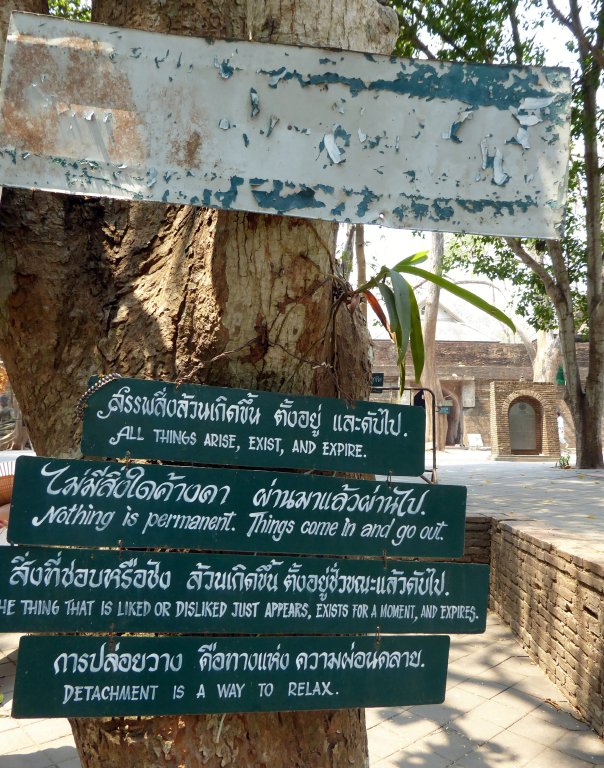
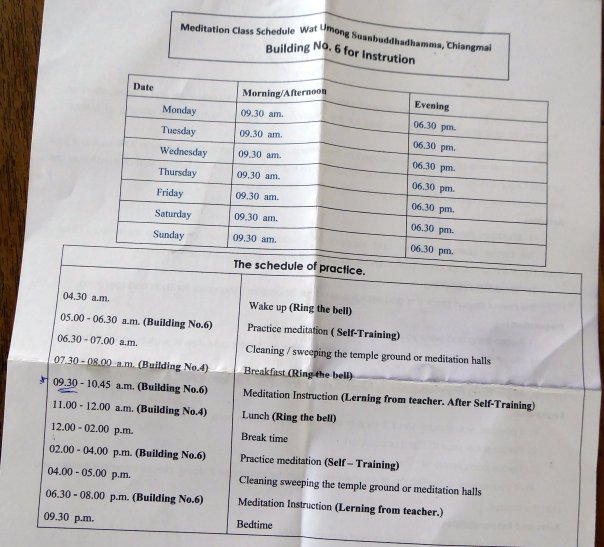
With ‘silent meditation’ on the agenda, I visit a couple of monasteries outside Chiang Mai and talk to monks about how it works and what is expected. First place, Umong, appeals; it’s small, very few Westerners and surrounded with forest. The programme is little different from life at sea (up at 4.30 am, sleeping mat on floor of little space, simple food, silence not a serious difficulty as on my own on the ocean I don’t talk much anyway) – just the meditation is different; on boat I daydream; which isn’t the same thing. The trees in the forest have little signs with pithy homilies or phrases of Buddhist wisdom.
Yes, I like it. Three days is the minimum stay. I tell head monk that I’ll maybe come back in a couple of days.
Lots of sweeping, not much eating
The second monastery does not appeal to me at all:- loud speakers with Buddhist orders from a bossy sort of monk, smartish huts to sleep in, lots of bowing heads to the floor etc. and, to cap it all, I see a Westerner solemnly doing walking meditation.
Yes, you walk super slowly, absurdly slowly, in your white pyjama outfit while meditating, and I guess keeping half an eye on where you’re going. I shan’t describe it beyond saying that even if this funny looking bloke was experiencing inner peace and higher-plain tranquility and was ‘in a good place’, he looked daft, probably completely nuts. And the walking style means you cover little more than 10 metres in 10 minutes. I couldn’t believe grown adults do this sort of thing. As far as I’m concerned life’s too short. I’ve definitely ruled out staying in this place.
Back in Chiang Mai that evening and drinking second bottle of Chang beer with a cluster of tipsy Westerners, I realise I don’t really have the right attributes or very much commitment for silent days of meditating. I quite like talking with the people I’m with this evening.
So, feeling abruptly decisive and without much hesitation my mind is made up. Instead of meditation, I’ll go cooking.
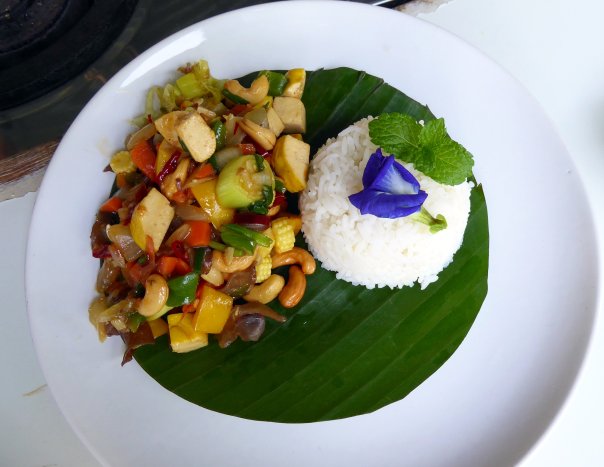
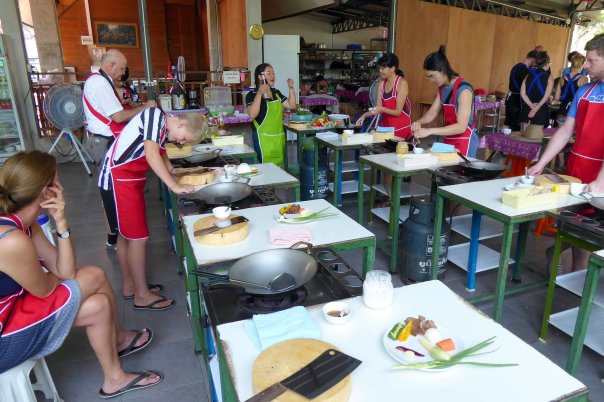
Chiang Mai is brimming with places that offer a half day, full day, week or whatever of Thai Cookery Classes. For me, a half day cooking five Michelin five star Thai dishes was the next day…lots of fun…and I’m immodestly impressed with my organic veggie cooking skills. (But you’ll not have me cook them again; far far too many ingredients and I don’t have – or want – a mortar and pestle. Anyway Tesco does an adequate green curry paste in a jar)
Lilly is our lively, clever, fun-loving young teacherThis my first (of five) amazing dishes – cashew stir fry etc.…and this is the classroom
23rd March
Just a few days later I am this evening in a dusty bamboo hillside restaurant in Laos. We’re overlooking the Mekong River.
Folk on table next to me jumble their senses with a little harmless bamboo opium pipe-smoking – this was after telling me the length of their trip depended almost entirely on how Aston Villa perform in some upcoming football match. It’s sometimes a mad mad world!
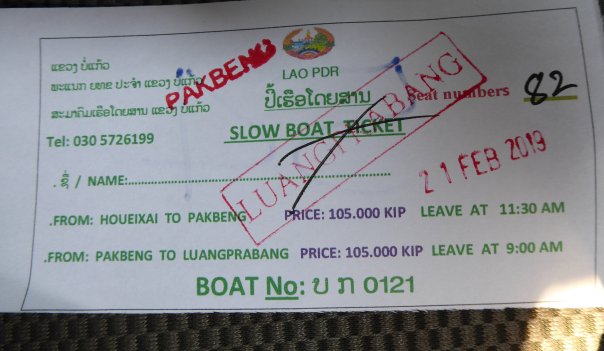
Khampheng, a helpful and delightful Lao girl, sells me a Slow Boat ticket for trip down the Mekong105,000 Kip is under £10 ! For a two-day boat trip….with good company too.
(For me Chiang Mai in Thailand had lost its appeal for several reasons which I shan’t recall here. I’d decided to go to Laos and taken a bus to Chiang Khong on the Mekong Thai-Laos border and thence crossed to Laos and joined the ‘Slow Boat’ downriver ).
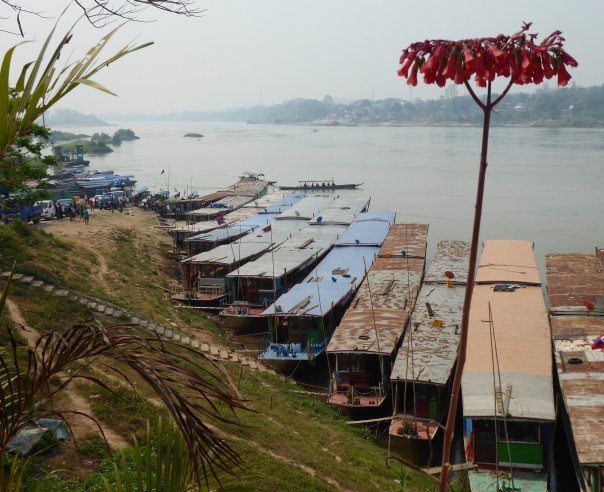
The Mekong captures my imagination in a very special way – and in my life I have been lucky enough to see and live near many of the world’s great rivers.Mekong River at Pakbeng, Laos or maybe Chiang Khong, Thailand?
The Mekong oozes mystery and drama and history in its grey brown waters and mountainous misty and smokey landscapes, and I imagine its waters starting their long journey on the high hills of Tibet, before meandering thousands of miles via a few giant dams, through Thailand, Laos and Vietnam. (Note, I need sometime to read more about this wondrous river). We’re in the village of Pakbeng where we have a one night stop in a simple guesthouse on the two-day Slow Boat trip downriver to Luang Prabang. (It’s not really a Slow Boat at all as I note it does about 18 knots in the downstream current.)
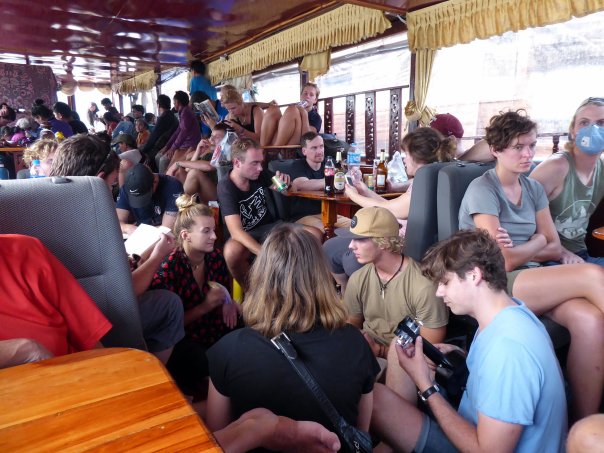
All aboard for the river trip downriver for two days
I ask the captain about the boat but don’t get clear information – at least he doesn’t want to talk to me. Seems his boat, a typical one, is about 45 to 50 metres long, 5 metres wide, and 200-300 HP diesel engine, today pretty full with about 95 passengers (overwhelmingly backpackers well under half my age but some Lao people who join and leave us at little villages along the way).
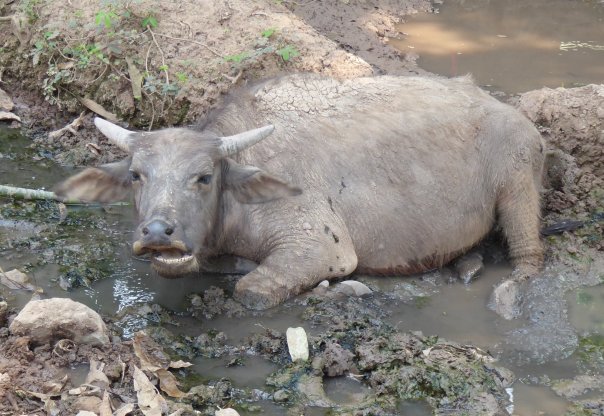
You will be eaten but for today the mud feels good on the banks of the Mekong
The atmosphere is happy and I am fortunate to have delightful and interesting people around me, more mature French couple, an Austrian (who shares my room in Pakbeng tonight – sharing keeps costs down), a German, a younger Frenchman and Nikolei, my super-extraordinary Russian friend.
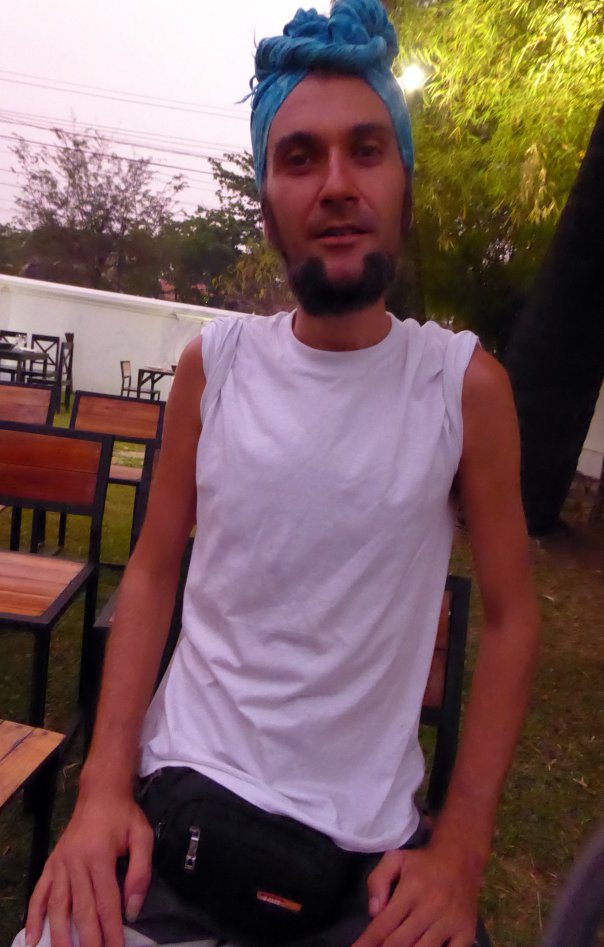
Nikolei (not sure how to spell it) was borne in Siberia, moved to Turkmenistan while still USSR, now has flat in St Petersburg. He is a raw food vegan i.e. He eats only vegan stuff that is uncooked, is this a ‘cruditarian?’ He has an avocado and some overripe tomatoes with him, and sports a turquoise turban so that he resembles a poorly nourished Taliban fighter. He’s very thin and has been ‘on the road’ for several months. He likes to travel, making small earnings on the way with website development for a Russian employer, and hasn’t eaten cooked food for over seven years. He’s adamant that Communism was much better for Russians; Brezhnev a great Russian and Gorbachev pretty much a traitor; and Nikolai is clearly a clever educated thoughtful man. I meet him several times. (The backpacker trail across these northern provinces of Thailand and Laos, is clear and we often encounter people more than once.)
Nikolai
30th March
A week later and I’m in the fine old French colonial town of Luang Prabang (second time here). It’s touristy but understandably so, and I’ve rented a motorcycle for the day.
A bit silly of me as advanced diarrhea is mighty troublesome, and I am feeling weak after two days without food or alcohol. Never mind, there’s lots to see and do. A motorbike’s a good way to get around in Laos. Plus I’m very conscious of Henrietta’s relaunch planned for next week, so need to pack a lot in without squandering too much time in the loo.
Images from Luang Prabang
This slideshow requires JavaScript.
Luang Prabang has UNESCO heritage city recognition, (though I’d question some of its credentials a bit). Anyway, it is a charming town and I could happily spend much longer here with this fine blend of French colonial and Lao architecture, its air of peace, boat trips, markets, gardens, hills and ever-present riverine life on the Mekong.
I’ve just shown a few pictures and suggest you visit yourself.
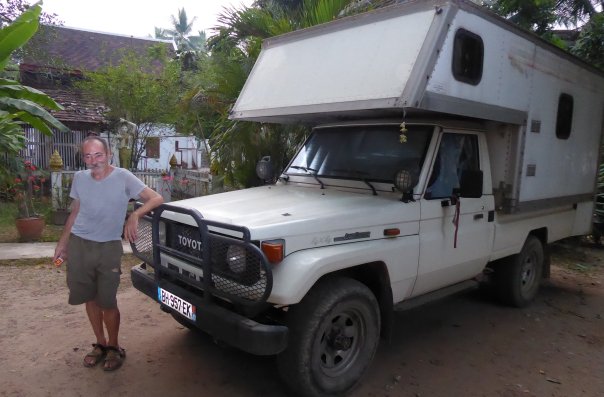
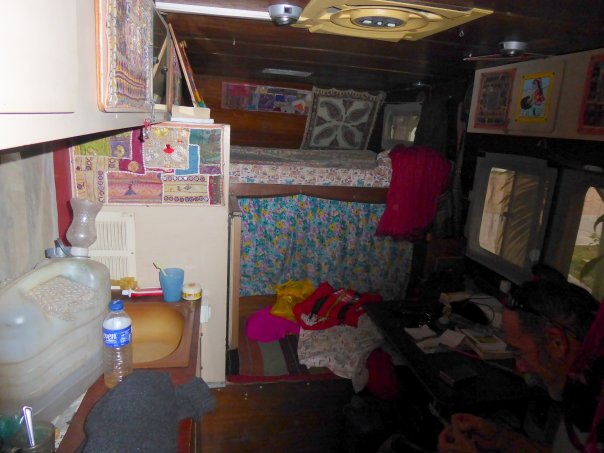
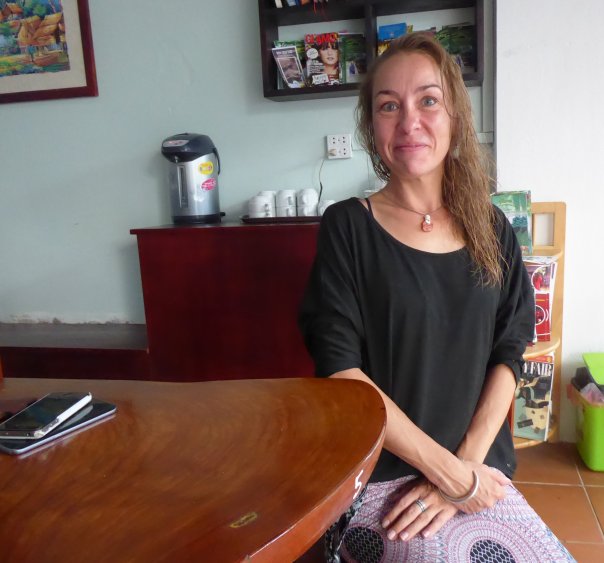
The very extraordinary and extremely delightful French couple I meet here are Dominique and Ghislaine. My sort of age (ie. getting on a little bit), they left Montpelier about five years ago in their campervan. Except it’s not really a campervan at all; it’s an aluminium box on the back of a Toyota pickup. They sleep on a little shelf behind the cab, and can be totally self-reliant in a space that’s a tiny fraction the size of any normal prison cell. Makes accommodation on Henrietta seem other-world luxurious.
Dominique and his ‘campervan’…and the accommodation..
They really do fascinate me, he a retired architect, she an artist, and I have huge admiration for such adventurous and unorthodox souls. They’ve got permission from the monks to park and sleep in the dusty yard alongside a Buddhist temple.
(As an aside, it interests me that the French are in general far and away the most spirited, adventurous and interesting of the global travellers I meet. I gather it’s their secondary education with its obligatory dose of broad-based philosophy that probably helps, but whatever, it seems a better idea than macro-economics or business management, or whatever else we may teach our young.)
Very friendly Sandy from Berlin, whose birthday is today ( lost you Sandy! Send a message.)…and lovely Jean-Jacques and Jo (Slow Boat together and same guesthouse choice in Luang Prabang)
Between first and second visits to Luang Prabang I’d been to a couple of villages: Nong Khiaw and Muang Ngoy, (tongue-tangling names for small villages) both full of simple guesthouses and little tour company stalls – (catering for backpacker tourism is one of the few ways of adding to the poor and largely subsistence local economy).
Memorable companions in the minibus to Nong Khiaw were a bright and attractive couple of friends from Newcastle (the N.E. England one). Charlie and Sophie, about 23 I guess, were/had taught in Hanoi and Argentina – not together – and were interested enough to talk with me on the hot bumpy two hour journey, about life afloat at sea and in the world at large.
Over the curry, when we later meet for lunch, Sophie seems to be asking for my suggestions and ideas about how best to get happily through this life! (Why on earth do young people sometimes seem to think that wrinkly folk of their grandparents’ age might have any sense or good ideas that they do not already have themselves? Anyhow, I just mention to Sophie and Charlie that I haven’t yet decided what I’ll do when I ‘grow up’ (and it’s getting a bit late now to grow up very much.) They seem perfectly balanced and clear-headed already. And, for spirit and enquiring minds I’d put them well in the league of youngsters from anywhere in the world (makes me feel proud to be British). They almost certainly had a more rounded and useful education in a Newcastle comprehensive school than I did in a swanky overpriced Berkshire public school (but that’s an entirely different tale).
That lunchtime curry tasted delicious but was probably dangerously very dodgy and verminous. Although I energetically spent that afternoon walking the hot, steep, sweaty popular path, to nearby viewpoint with smokey views over the village, I spent most of that night being noisily ill. I shan’t dwell on details.
Well! It wasn’t Everest but it was a sweaty walk uphill
Decent room for under £5 a night
An oft repeated photo, but severe reminder of what went on not so long ago
1st April
Buses in Laos are pretty good, go everywhere and are very cheap. The roads are alas pretty lousy.
Last night I took the sleeper bus south from Luang Prabang to Vientiane. (Bit of a rush now to get back to Malaysia in time for Henrietta’s relaunch).
Sleeper Bus
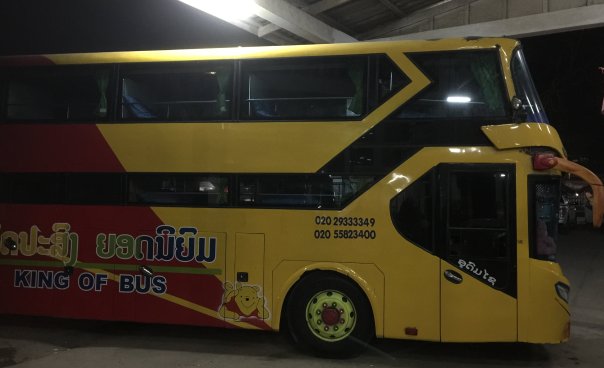
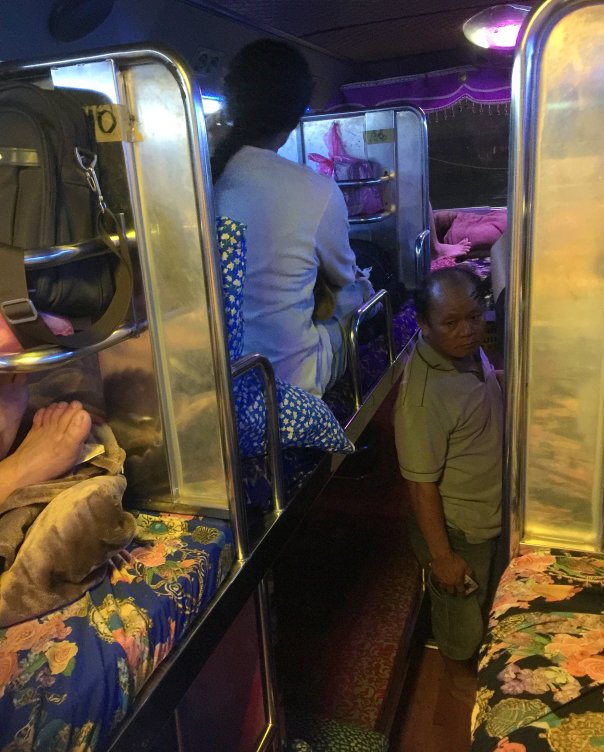
This particular sleeper bus (sometimes called ‘sleeping bus’) in Laos is smart-looking yellow and red, clean and punctual – punctual at least when leaving. But it’s not as spacious as Cambodia or Vietnam sleeper buses. Perhaps Lao people are thinner and shorter. Its narrow double bed bunks with very narrow aisle down the middle are not designed with six foot Europeans in mind. I’m on top bunk next to window, already finding the space a bit cramped, and fervently hoping a snoring giant won’t be my bed companion.
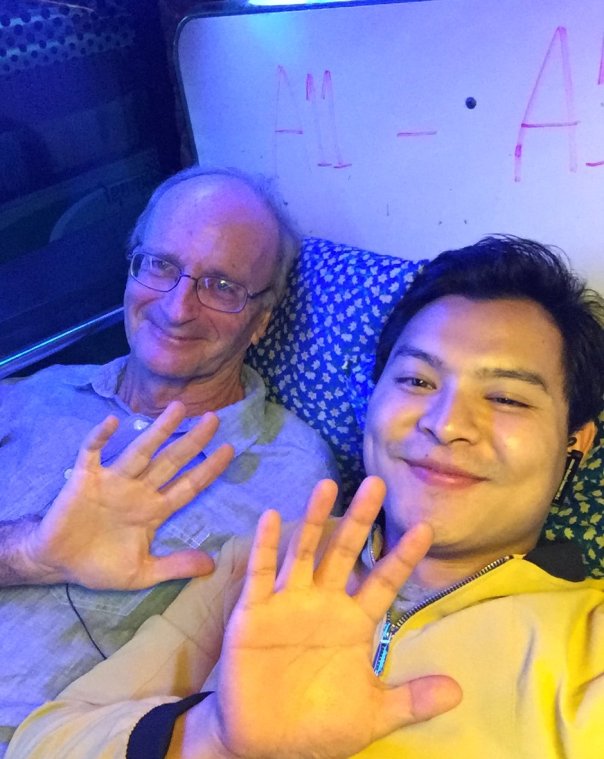
But there’s no need to worry! I’m blessed and my bed-mate is Hein Ko-Ko, a 26 year old artist from Maymyo in Central Myanmar. Not only is he small and neat, he’s also polite, smiling, courteous and fascinating. (I remind him of his grandfather, apparently. He loved his grandfather).
We chat a lot as his English is excellent:- of art in Myanmar, beliefs, travel, plans, politics (he, like others I’ve met, reveres Aung San Suu Kyi and readily recognises that she has no real power, other than from her intelligent presence and the respect she has earned). This link may tell you more about him; you can read books about her.
All aboard for a night on the bus…The obligatory selfie with bedmate, Hein Ko Ko
In Vientiane there’s a day to fill before flight back to Kuala Lumpur. After ‘doing’ the limited number of sights in Vientiane (a very hot dusty city, albeit more laid back than most, but of no outstanding merit or interest, in my opinion), I impulsively decide to have a haircut.
On entering what I’d thought was a basic barber shop, I find I’m in a rather upmarket Hair Stylists place; think they’re called ‘Salons’. It looks expensive and air-conditioning is much too cold.
I consider leaving but think that would be rude, so nervously flip through glossy magazines of people with extraordinary hair-dos and strange tatoos, till a neat and determined lady summons me to a back room with a firm wave of her hand and no-nonsense look in her eyes.
Blimey! What sort of a haircut is this going to be?
It’s ok, the summons is just for a vigorous hair wash or two, with pulverising head massage thrown in. Next thing I know, a silent person of indeterminate sex with garish yellow shirt with sickly bananas all over it, sits me down and starts snipping.
There’s no point in my saying anything. He, or it might be she, does not talk. Just snipping. And with my glasses removed I can’t see what’s happening. ….this is silly…snipping goes on and on. But as I start to nod off, it’s all over.
There’s a lot of hair around me, a little bit of hair left on my head (there wasn’t a lot to start with). I pay a few thousand Kip (around £5 – local money, the Lao Kip, is real Monopoly stuff) and wander off, very very happy to be free again, and quite content with a thorough trim that could last for many months.
Overall, I’ve enjoyed a memorably marvelous time in northern Laos and feel a bit sad as we take the Air Asia plane back to Malaysia. (Malaysia is a world away in terms of wealth and culture and its people.)
5th April
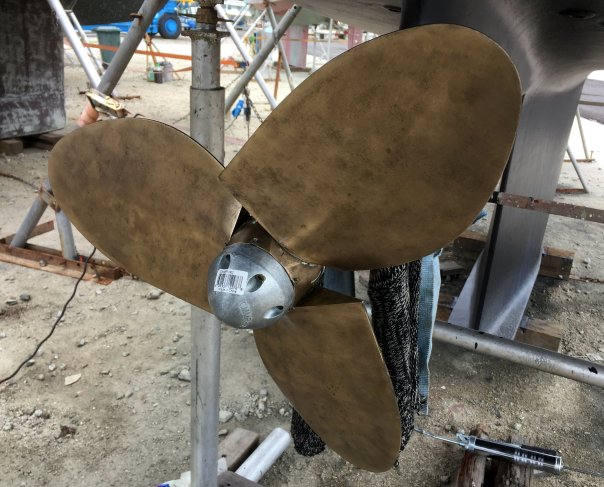
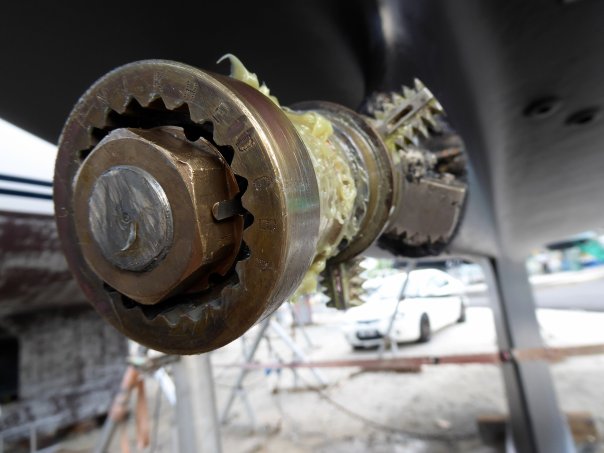
Back in the boat yard in Pangkor in west Malaysia….a rather frantic spell this morning (and yesterday) reassembling Henrietta’s propellor (which is variable pitch and fussy, and had been removed in order to change shaft bearing and seal), finding my grease gun was broken, not enough grease, and other woes of sailing boat maintenance etc etc.
Reassembling the prop seems a bit like doing a Rubik cube, with greasy fingers
The opportunity of a high tide, with available launching time, won’t come again for several days.
I’m anxious there won’t be time to launch today. But Ani, the mechanic’s colourful and helpful wife, was an angel in taking me round local stores and, before it was too late, Henrietta was ready to go, relaunched, shiny and beautiful in the afternoon sunshine…..Goodness, I often feel I’m a lucky man.
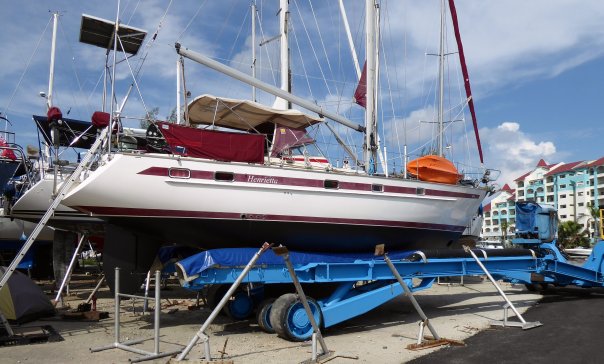
Shining with polish and freshly antifouled, ready for the year ahead…
Little Thai islands, plus Phuket, Chiang Mai, Chiang Rai et al
4th to 22nd February
Approaching the striking island of Koh Phetra
There are countless little hilly tree-topped white-beached islands on the Thai coastline stretching between Malaysia and Myanmar (Burma). The largest and most visited is Phuket. But many of the smaller islands have comfortable secure anchorages, some of them in a National Park where rangers appear at all hours to ask for fees.
(My conclusion a month later is that Thailand is best visited on land not sea. Boats that venture into Parks and marinas are charged eye watering amounts – though there are many exquisite and free uncrowded anchorages as well. But here at the Boat Lagoon, where I stop for a night to load new anchor chain, it’ll be about $50 a night. Yet visitors can find simple clean welcoming hotel or hostel rooms for under $12 dollars a night and experience all the delights of a marvellous country.)
Koh Muk and entrance to popular Emerald Cave (we swim through tunnel to little bay, but I couldn’t swim with camera. Hence no photo)
Sailing slowly northwards I visit several islands and some popular bays on Phuket, where white Westerners are scattered on the sun-baked sand, big blobs and little blobs, in various stages of peuce, pink and brown, mostly 30 to 50, predominantly, it seems Russian, I hire a motorbike to ‘do’ the sights of Phuket.
Beach Life for sun worshipping visitors
There’s a wonderful calm lack of highway discipline such that we overtake on left or right, whatever way we want, drive contraflow on dual carriageways, and courteously refrain from using the horn. We smile at all-comers, ‘Road rage’ completely unheard of, but accidents commonplace.
A week’s visit to Chiang Mai and Chiang Rai makes a memorable and almost wholly delightful change from life at sea aboard Henrietta.
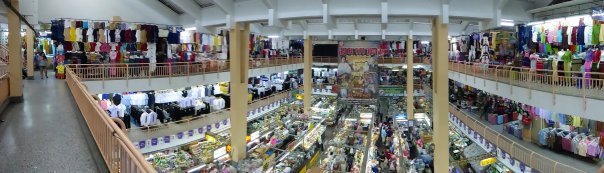
Chiang Mai Chinese Market
Chiang Mai may long have been a tourist mecca, and it’s a large town, but it seems supremely friendly, awash with good food and welcoming people, and of course the overarching, calming and beautiful presence of a multitude of Buddhist temples.
Chiang Rai, a much smaller northern Thailand town, is just a three and a half hour bus ride away. Armelle, whom I’d met earlier, and I go there.
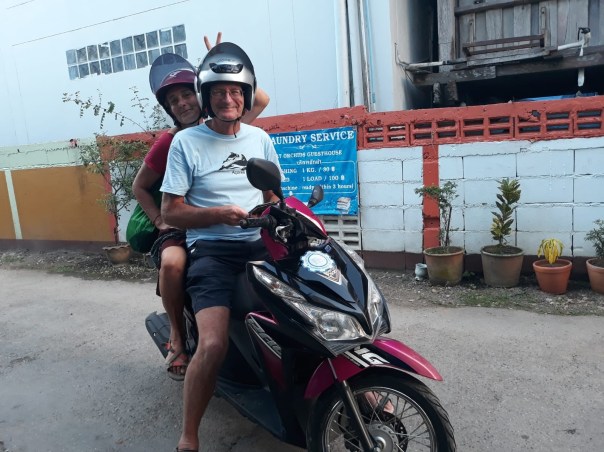
And rather than expensive tourist trips to hill tribal villages, elephant sanctuaries of dubious credentials and busy temples, we hire a little pink motorcycle; and just muddle along very happily.
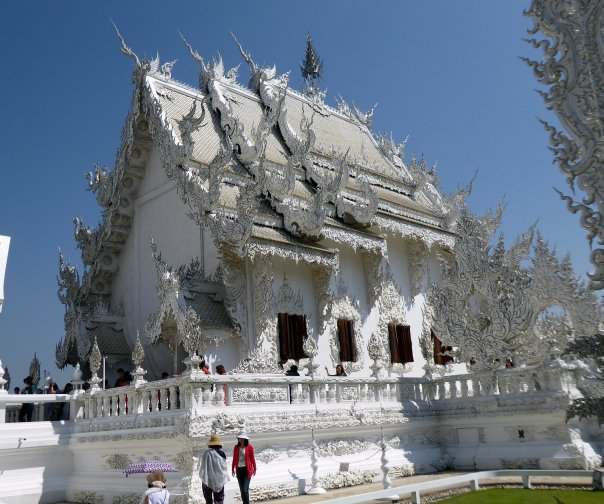
With just one night in each of several guest houses we whizz from super-popular and crowded and marvellous unorthodox modern Wat Rong Khun (‘White Temple’ ) to dark sinister and somewhat gruesome Baandam (‘Black House’), and museum and much more in between.
‘White Temple’….and…
…somewhat sinister ‘Black House’
At night, the markets of Chiang Rai are alive and bursting with colourful clothes, mysterious foods, and scents and bright lights, and music. The Flower Festival happens to be here too, one of those unexpected bonuses with this form of unorganised and unplanned travelling. A festival, meeting, dance, concert, demo or party just sometimes unexpectedly comes along……
The motorbike ride up to to Doi Mae Salong,Santikhiri, an Akha hill tribe village near the Chinese border, is long and windy as the road climbs through tea plantations, terraced hillsides, lush bamboo groves and roadside stalls of fruitsellers. It’s growing blissfully cool in fresh mountain air.
A had had no breakfast
We enjoy walks in the hills (including one of those ‘we’re lost’ walks through rotting bamboo, scratchy tall grasses, pine trees and steep scramble slopes where, but for the miracle of smartphone GPS, you may not have heard from us again. And nighttime temperatures are cool enough to awaken my soggy somnolent tropical brain, and need a blanket. And the scenery is soothing and magnificent.We’d lost the path
And, after our quick trip to the hills, and back in Chiang Rai, I bade ‘au revoir’ to Armelle, caught first pre-dawn bus to Chiang Mai, and via Air Asia and so on, was back aboard Henrietta in Phuket soon after dark (she’d swung and spun on a rented mooring buoy for over a week, the only way to avoid crippling marina charges).Sharing a bottle of sweet mulberry wine in the hills
Though life on board is seldom dull for long, I shall miss the happy friendly companionship of a lovely Parisian….and maybe dream of elephants instead…
Christmas and New Year came and went with a bang, and just about quickly enough. Langkawi (perhaps Malaysia’s most popular tourist destination) is a pleasant enough place to spend the time, and after three Christmases of solitude it was good this time to share festivities with many friends. But, in truth one of the nicest things about January is that it’s 11 months till Christmas comes round again..
Happy evening bonfire at favourite Lankawi spot (secret!)
Always make me smile
Still fine after 35,000 miles
Given next that we all realise that all this blog stuff is to an extent just us lot whittling on (and perhaps even showing off) about what a wonderful time we’re having, seeing beautiful places and eating some most peculiar foods, and meeting fascinating people, (which is maybe even less interesting to you than your varicose veins or hip replacements), I’d like now to talk about the three really vastly more fascinating topics of Religion, Politics and Sex -yes, the big three.
But alas I can’t do that either. Self-censorship decided against it. Shame…
Instead I’ll just mention that I paid a quick visit to my homeland, Britain, and realised that Britain seems from my point of view to have much too much of the ‘P’ but not much of the ‘R’ and ‘S’. And the only really nice things when I visited were seeing family and some friends (and, to a lesser extent, finding plentiful shops stocked with everything man could ever want, and much he wouldn’t. Oh and I value the vintage architecture, BBC, public transport, green hills, recycling and central heating.)
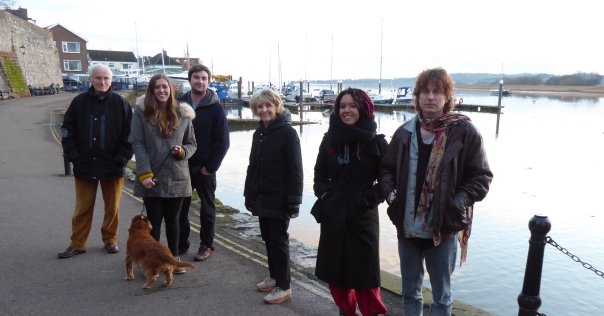
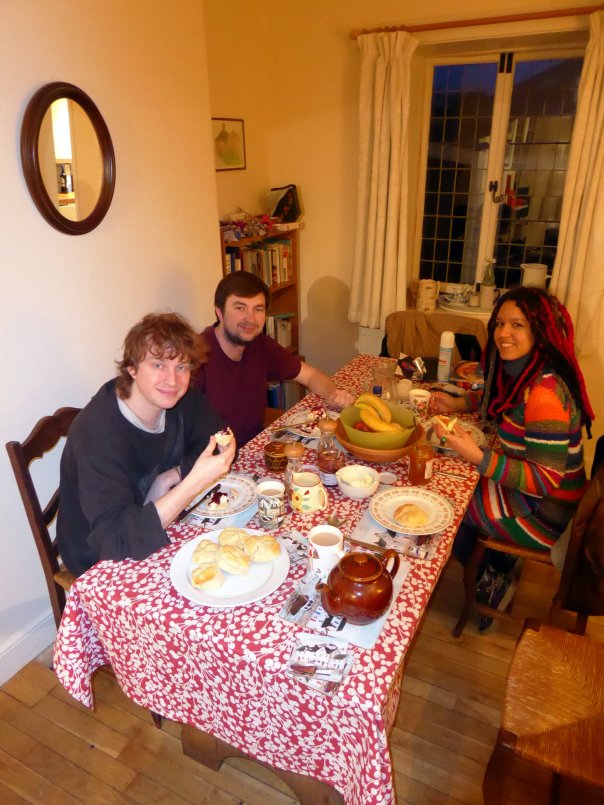
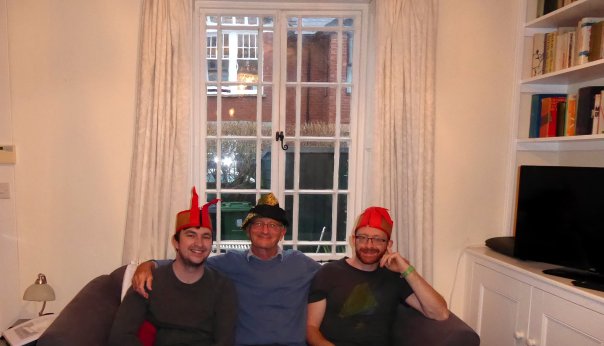
Family and friends, Topsham, DevonTwo sons and friend and scones for tea (other son has exams and is working hard)Some Indonesian headgear in Devon
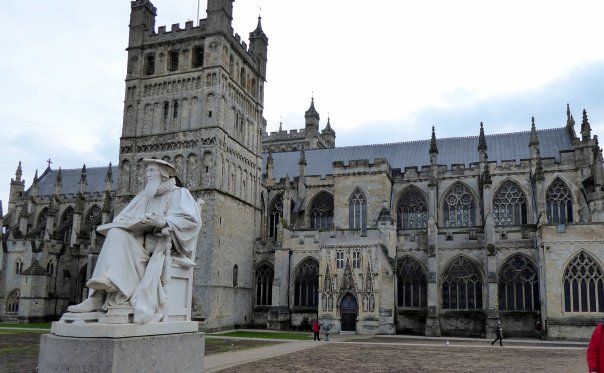
My local cathedral, Exeter
The current U.K. soap opera is called Brexit and it’s quite gripping. There are two warring families: one lot are called ‘Brexiteers’. Their henchmen mostly have double chins or double-barrelled names, and the support of an embarrassing and scurrilous organ called Daily Express (and, for posher people, a bigger organ called Telegraph). The other henchmen generally have better haircuts, but some have double chins too, and they are called ‘Remaindeers’ and their supporting organ is Guardian (which is also preferred organ of educated vegans and people with rings in their tummy buttons). But really they are both quite passionate and bubbling with the peculiar certainty of self-belief (me too). But this soap opera raises my blood pressure, and when I feel calm again it simply depresses me. Nonetheless as I say, it’s gripping stuff.
If you take Brexit seriously (like me), do listen to this series of podcasts Brexit A Love Story
Returning to talk of Britain, it seems most folk live in January swaddled in dark clothes, in neat little brick houses beneath overwhelming damp grey skies, scurrying out to work dreadfully long hours in brightly lit office complexes, endlessly burdened with angst and ennui over the Brexit fiasco, troubled with mortgages and rent, ill-health, Royal Family, celebrities (whom you and I have never heard of) and debt.
If nothing else it genuinely emphasises the extreme good fortune of those of us privileged to live and see the world from a little boat.
This slideshow requires JavaScript.
And lest you think I didn’t enjoy my two weeks in England, I stress that it was a delight. It just reinforced my belief in life afloat as a preferable way of muddling along – at least for now.
The sheer horror of travel by aeroplane, squeezed for 13 hours next to a snorting sniffling giant person, whilst whizzing across – and ignoring – a huge chunk of our planet, convinces me that a slow boat is the only worthwhile way to travel – unless you walk or bicycle….but you’d only say you don’t have time, or that’s not what you want….
And so now I’ll bring this nonsense to an end and finish by saying I got back to Henrietta, bought some bananas, cleared out of Malaysia (local bureaupratcy requiring a half day of boring stuff, while I travel between the three well separated offices of Harbourmaster, Customs and Immigration…), and sailed north into Thailand.
I know nothing about Thailand.
After a week in the country day-sailing north from one little tree-topped limestone island to the next I can say it seems friendly. The first young fisherman, in bright red t-shirt, on a noisy ‘long -tail’ boat, greets me raising both arms high, shouting “Welcome to Thailand”.
It took a week to reach Phuket where I clear in. Phuket is of course a well-known international tourist island. It would be unfair to judge it too quickly when I’ve only been here a day. But it doesn’t seem to be my sort of place. Nightlife is definitely intimidating.
More another time…..
But finally before I sign off, I’d like to tell you of three Youtube sites which have some excellent film of the sort of trip this is. All three couples are young and competent with videos and editing, and I’ve met them all along the way. It gives a good flavour of the stuff that happens – from perspectives of Spanish man, French woman, British couple, American couple
Another month sailing northwards (with drifting and motoring) takes us to Langkawi and Christmas time.
First then, I wish you a Merry Christmas, a good holiday, and health and happiness for 2019.
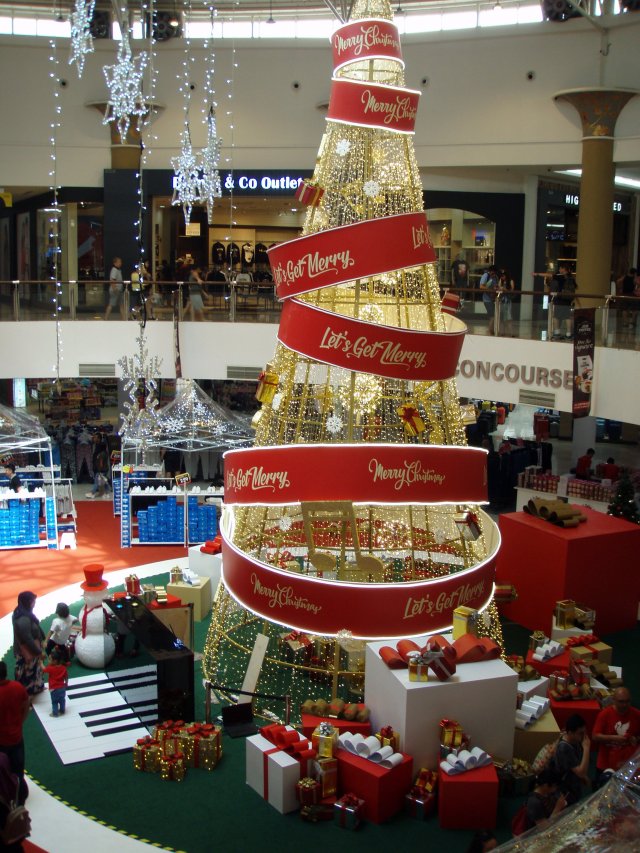
Malaysia has its share of seasonal stuff too, though lacking the scale and frantic intensity of Europe: but still with Christmas trees and twinkly lights, plump pink-faced Father Christmases, snow-dusted reindeer and so on. It seems absurd in a predominantly Islamic society where the climate is oppressively hot, brain-dribbling and humid (to the point where both snowflakes and overdressed Father Christmases would instantly turn to puddles of ploop). But Christmas here sells chocolate and colourful strings of flashing lights – all to the soundtrack of “Love Actually” piped insistently around the giant local shopping mall.
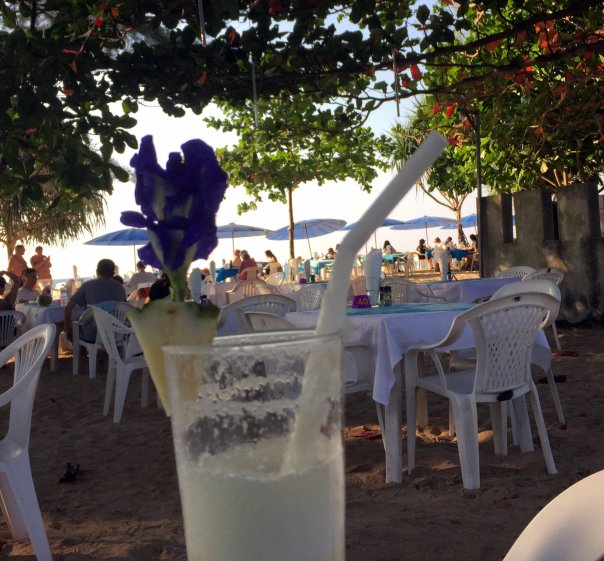
Dinner at a beach on Pangkor…
On the sailing front, I’ve enjoyed the company of friend Adrian on the sail from Pangkor to Langkawi.
Adrian on holiday
Colourful fishing boats everywhere..
…and fish farming
We’ve anchored in beautiful coves, swum in murky Melaka Straits waters, admired the sea eagles, monkeys and dolphins, eaten too well in many seaside spots – and took a full fortnight to drink the first bottle of whisky.
Winds have been fickle and seas usually calm, but the scenery as we near the Thai border is wonderfully improved over southern Malaysia; Langkawi island itself especially charming with its tree-cloaked hills and mountains and over 90 small offshore islands, providing endless blissful empty anchorages.
Like a scene from a James Bond chase…it’s just day-trippers in Langkawi…who visit this UNESCO gem
The small low-key Rally, ‘Sail to Langkawi’, is over. Our final dinner evening and the next night’s cocktail party (alas! no cocktails) became border-line emotional as many friends bravely kissed and hugged farewells.
European friends at final dinnerAustralian and American friends (cocktails-not) …
For many of us it was the end of over five months’ adventures and shared excitements, so tears were often near the surface, hearts bursting with emotions (not at all British, of course, but these folk are mainly from more advanced nations).
Langkawi (and nearby Phuket) signal a decision time. Sailors must choose to go southwest then via Sri Lanka west via Suez to the Mediterranean, or via South Africa, or southeast round Singapore and on east to Philippines and North Pacific, or back to New Zealand/Australia, or linger around here for a year or two or more. Seasonal winds (monsoons and cyclones and stuff) mean timing choices are limited, and decisions must be made soon. It all gives me a headache – so, taking a cue from British government, I haven’t made up my mind.
I’m sure, I think I’m sure, everything will be fine in 2019…………..
(Puteri, P. Pisang, P. Besar, Melaka (Malacca), Port Dickson)
6th to 26th November
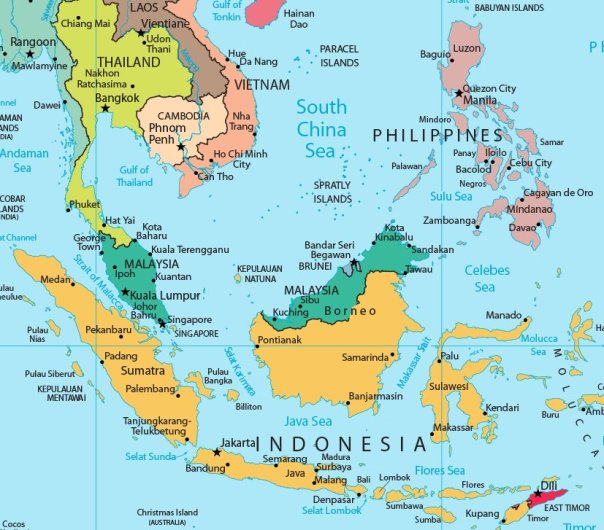
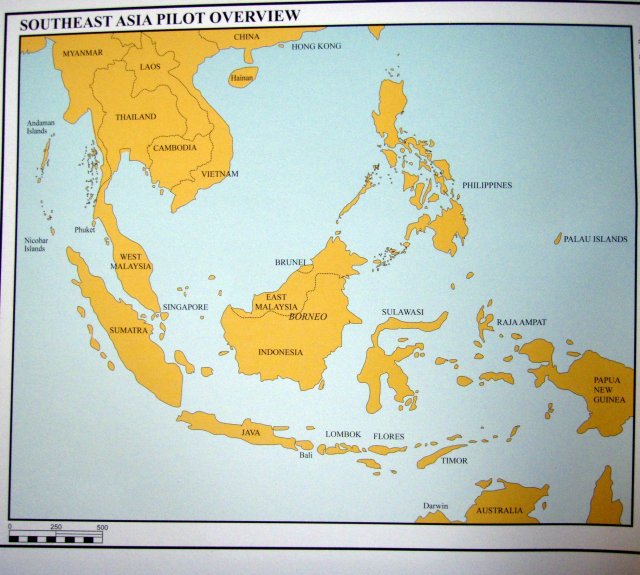
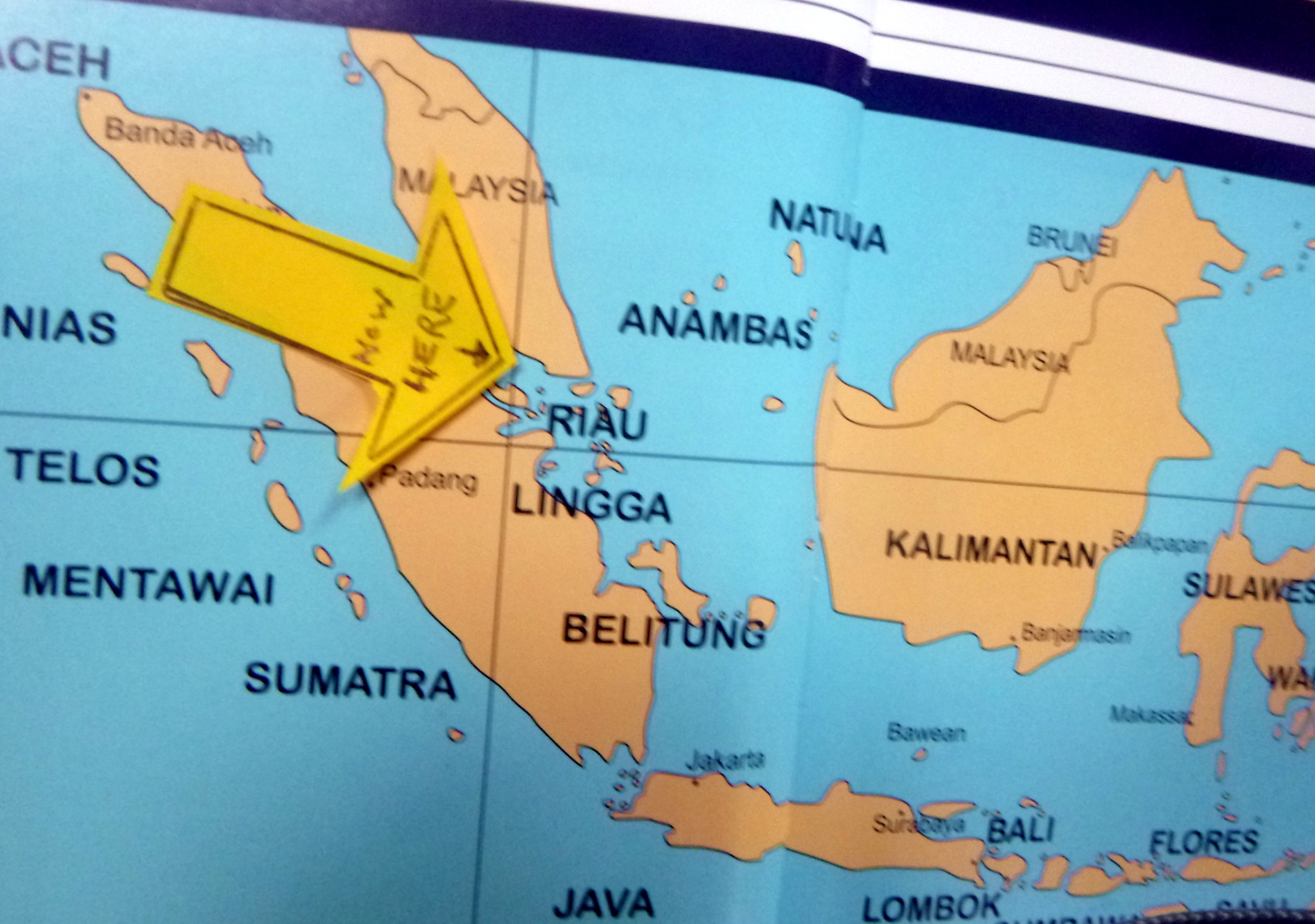
We’re in the Malacca Straits, West Malaysia. Malacca Straits are the narrow waters between here and Sumatra, towards the left of this map.
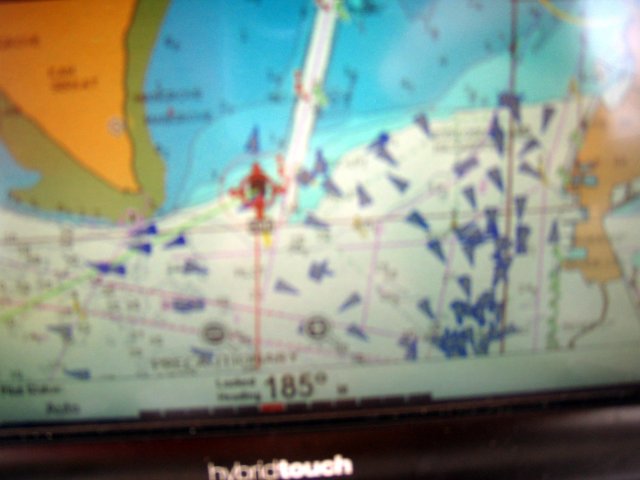
It’s the world’s busiest shipping route. About 100,000 vessels a year pass through to feed the energy demands and shopping habits of us all. It is sobering to witness the procession of vast tankers and container ships that surge between East Asia, the Middle East and Europe. Amazing too that there are not more accidents as ships and fast ferries, slow barges and fishing boats criss-cross shipping lanes in and out of Singapore, speeds are often high, VHF channels buzzing with constant communications (many with incomprehensible English). Shipping in the English Channel seems a quiet country lane in comparison.
Plotter overloaded with AIS targetsBarges of gravel for land reclamation
We head north from Indonesia, briskly crossing the shipping lanes, turn left at Singapore (their patrol boats strictly enforce Singapore’s waters), and go to Puteri Harbour, first stop in Malaysia and first marina since Cairns over four months ago. It’s in soulless, eye-opening contrast to the simple and untarnished anchorages of Indonesia.
Shoreline at Puteri Harbour
From here, Malaysia entry paperwork is quick and straightforward, diesel is piped aboard (after months of jerry cans that’s a treat!), fresh potable water is at the jetty, my torn sails are removed and sent away for repair, my grubby body has a long cool shower (and another one), and a long cool beer (and another one).
And there are all the other trappings of modern materialist sanitised living – fine for a day; but my heart already misses the special beauty and unexpected delights of Indonesia. But our welcome to Malaysia is warm and friendly.
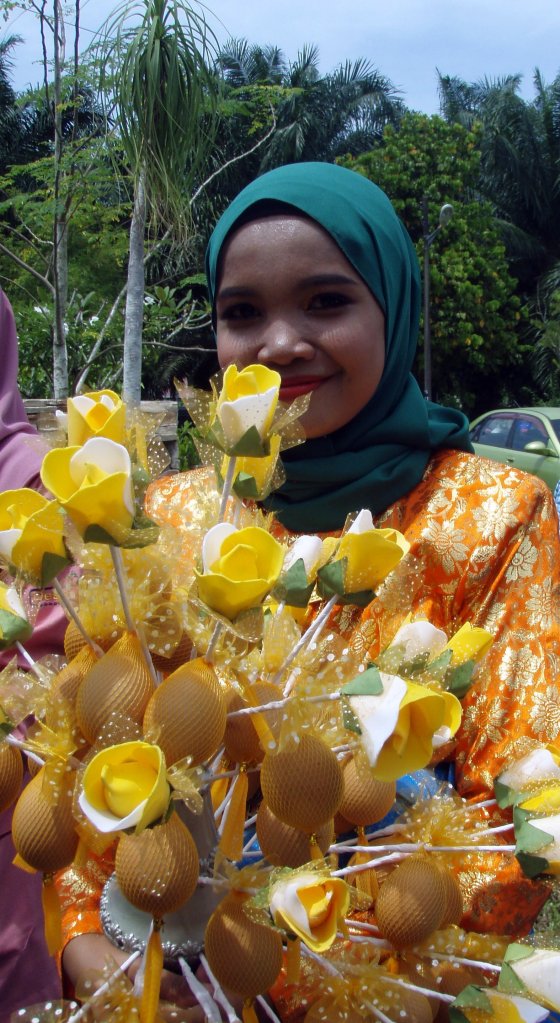
Traditional welcome gifts of flower and an egg
I’ve joined another rally. It’s a small one, ‘Passage to Langkawi’, and many friends, and some new faces too, are with me. (The trips, discounts and sociability make it a popular option for the 400 odd miles heading north up the Malaysia coastline.)
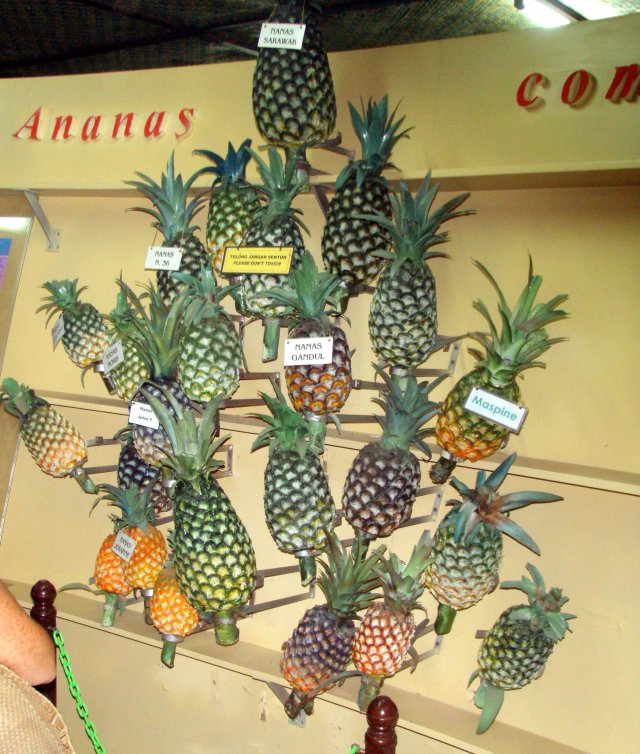
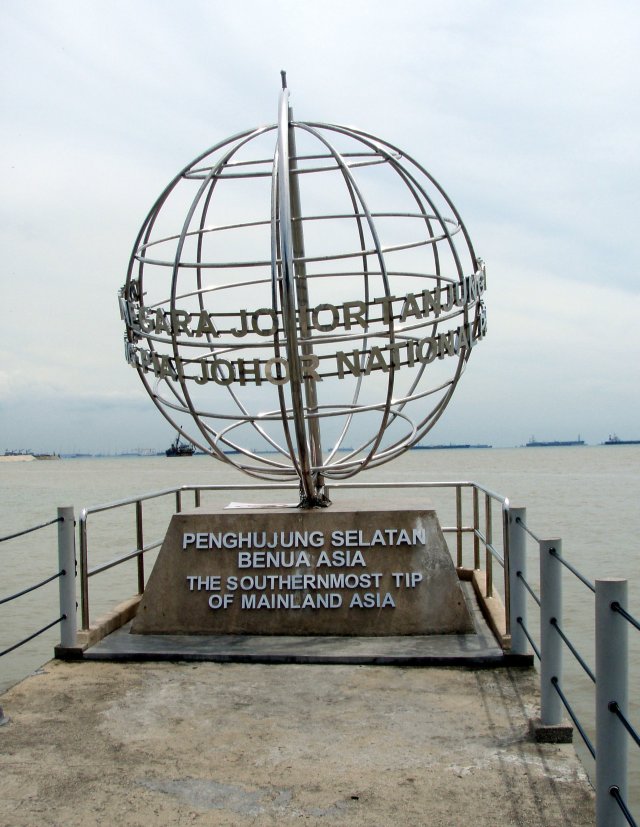
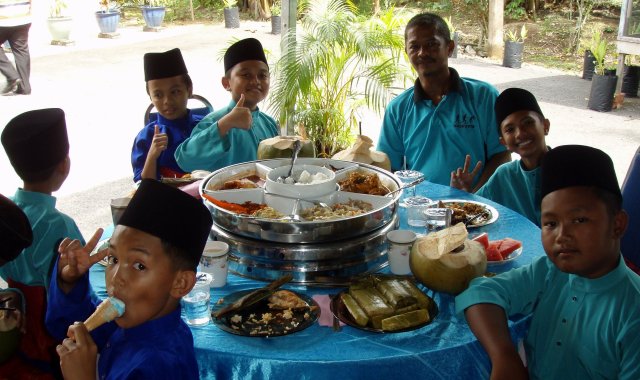
Pineapple Museum – beats a sheep museum!We walk a long walkway to Asia’s southernmost tipYoung musicians feast with usVillage feast near Melaka
But the Malacca Straits are not a pleasant cruising patch: ships, at anchor or streaming north and south, fishing boats, nets, grubby water with lots of floating rubbish (everything from plastic bags to trees), a dull low-lying shoreline, fickle winds interspersed with violent squalls, currents, and a horrible overheated humid climate. (Makes me sound like a whinger? – but this really isn’t a nice area to go sailing!)
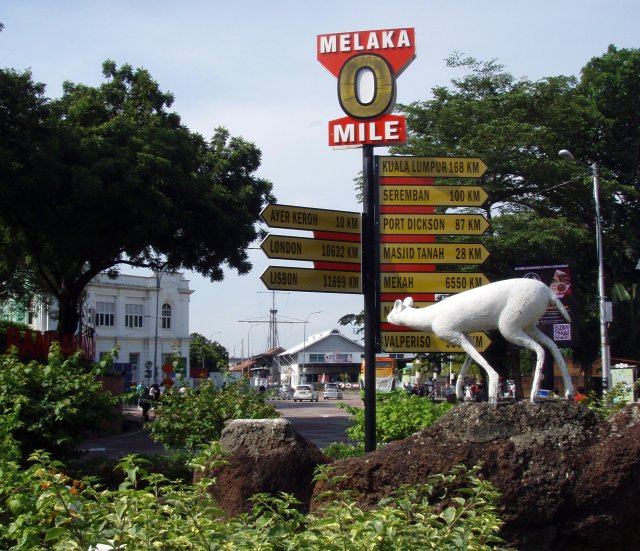
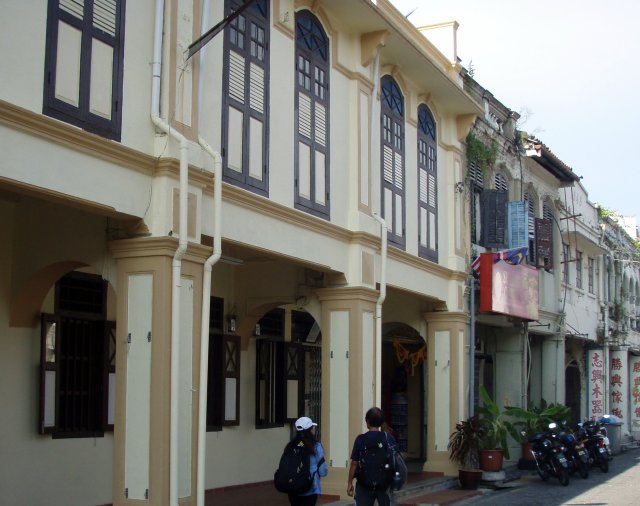
150 miles up the coast, after a couple of overnight anchorages, comes Melaka (the local spelling for what you may know as Malacca), a World Heritage City. It has a dramatic and fascinating history with centuries of occupation by Portuguese, Dutch, and British (and briefly Japanese); and for centuries preceeded Singapore as the main Southeast Asian trading centre.
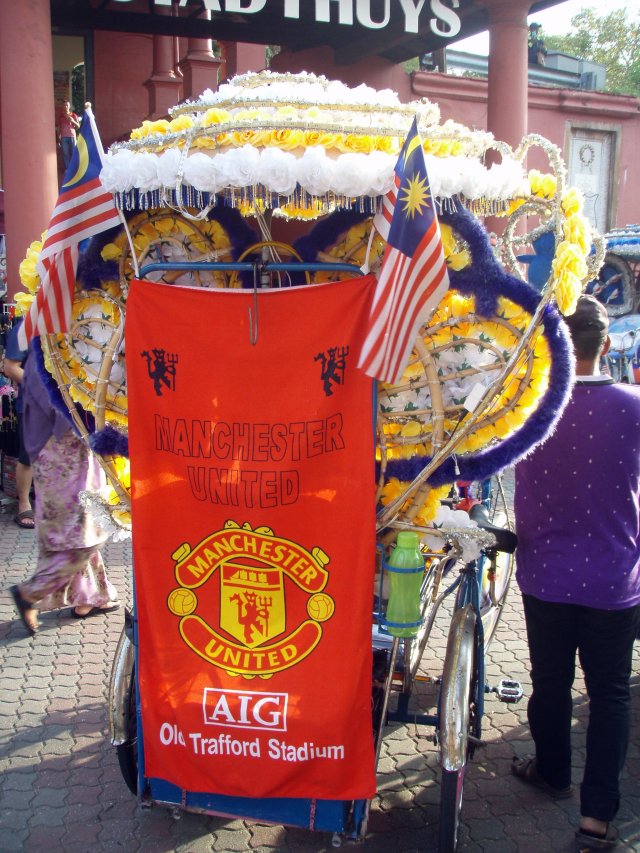
Now it’s overrun with tourists and accompanying glitze, tat and colour – some good stuff too…
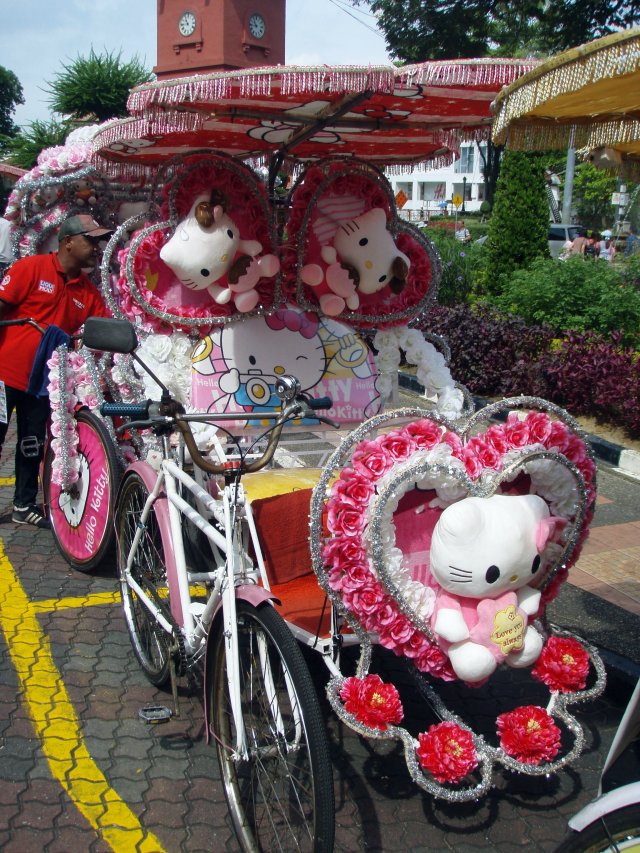
The mouse deer, a symbol of Melakan history‘Hello Kitty’, a loud toe-curling presence all over town
…and its advertising!
Copied from Venice, of course
Historic Houses
Shopping Centres
Alas! Sailing is seldom a leisurely way of life. In pitch darkness we’re awakened to howling winds, and then abruptly scurrying north out of Melaka’s anchorage as 30-40 knot winds hit us at midnight. Such squalls are called ‘Sumatras’ (always blame a foreign source!), and mighty unpleasant in a shallow lee-shored anchorage with poor holding. Luckily none of the 20-odd boats or crew are hurt as many drag anchors and we toss and roll in roaring wind and choppy seas, and head offshore and north to Port Dickson.
Port Dickson has a comfortable marina, local shops, a swimming pool and more. We indulge in some silly and harmless games….
Penuba, Lingga, Equator, Benan, Bintan – Tanjung Pinang
25th October to 5th November
These islands are all within Riau Province, Lingga Islands and Riau Islands being two groups within the Province. The former are little visited: to quote from the Cruising Guide, ”…almost zero English spoken..transport non-existent…locals a mix of Malay, Bugis and Hakka Chinese..”. The Lingga Islands straddle the equator and there’s a long history of international trade through such a calm and strategic area (though Singapore of course now dominates such trade).
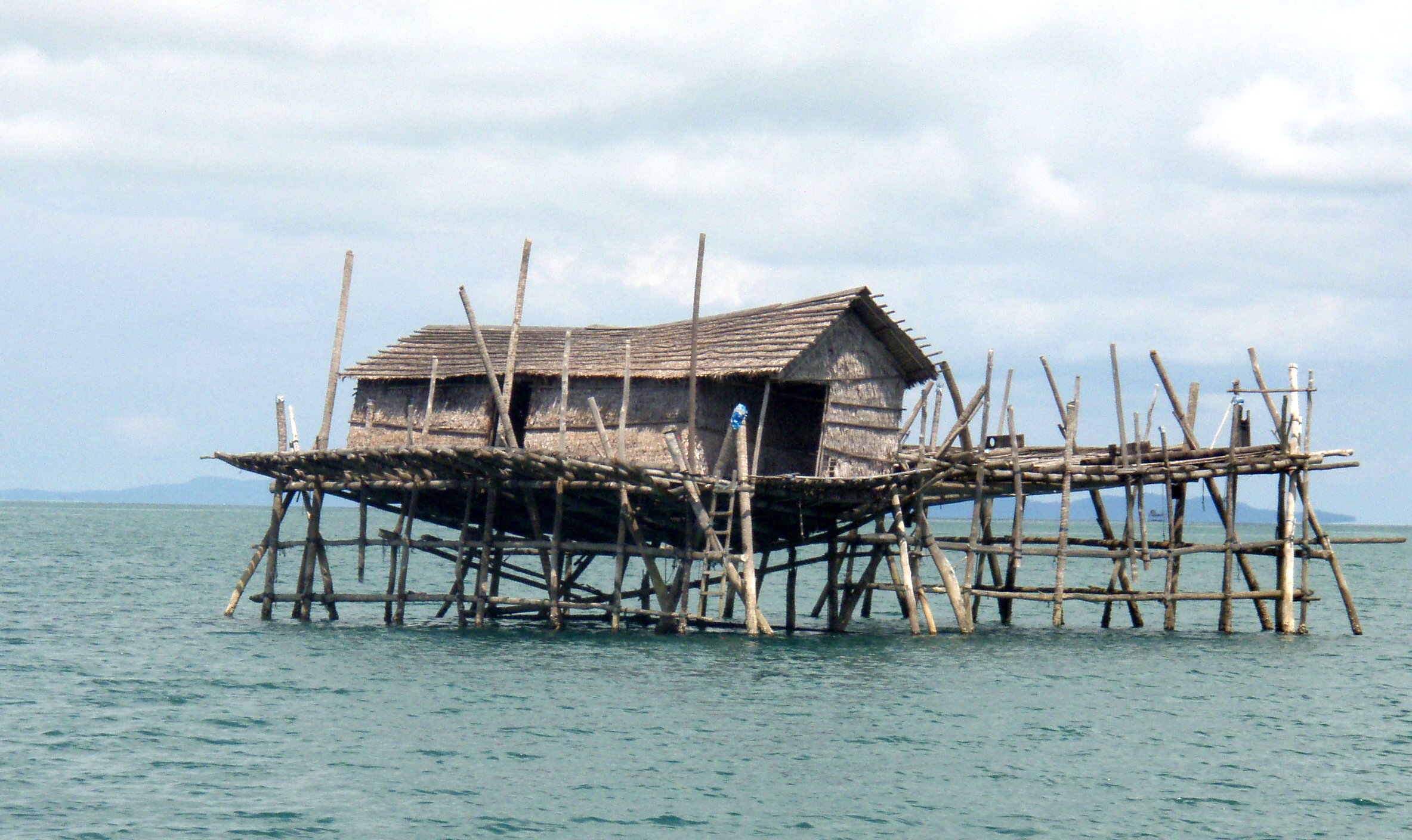
It’s scenically either splendid striking unusual mountain peaks or flat mangrove islets, and there are hundreds of offshore simple wooden platforms with families of fisherfolk. Sailing at night would be a hazardous business.
Clusters of these fishermen dwellings sprinkle the shoreline
Heading slowly north, more motoring than sailing in such calm and windless seas, we stop briefly on tiny and rarely visited Island Penuba, but after gentle stroll, quick and simple shopping, opted to miss the rally ‘festivities’.
wandering on Penuba
friendly market stall..
…local family…
A couple of days later Henrietta’s back in the northern hemisphere, Caroline and Joyce, crossing for the first time, celebrating and placating Neptune in novel fashion. Unusually there’s both a sea crossing and a land crossing hereabouts. We wander up steps to a peculiar equator monument on a peninsular in Lingga.
back to northern hemisphere
Henrietta’s crew…
equator
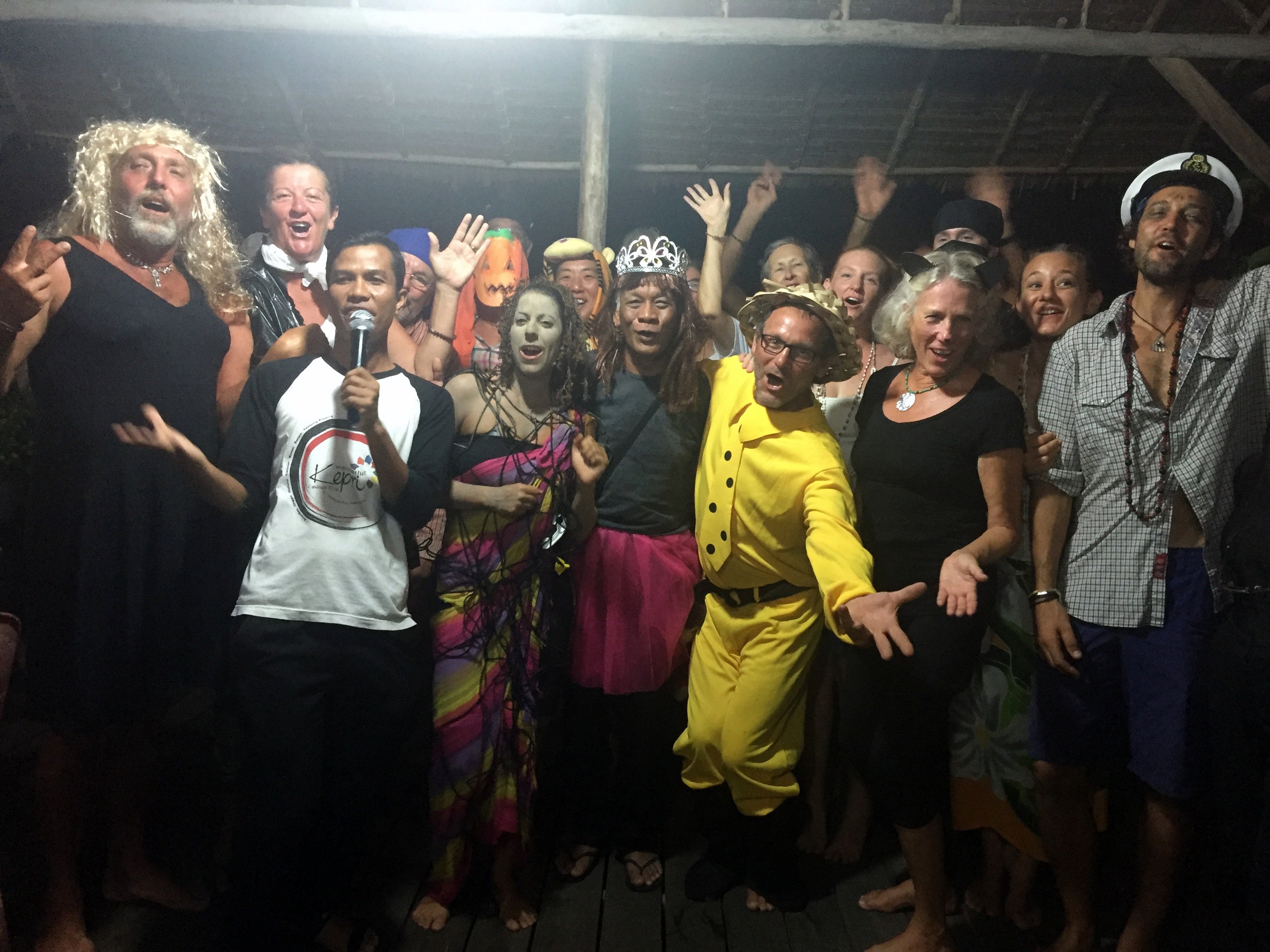
And next day motor further north to the island of Benan for more rally festivities (dancing, visiting school and eating…) and, prompted by party-oriented Americans, Halloween party – enjoyed by local people as an example of Western culture …(I cringe).
This slideshow requires JavaScript.
Halloween….
It is then only a thirty mile sail to the island of Bintan and its capital, Tanjung Pinang, by far the largest city we’ve seen since Cairns, some 3,000 miles behind us.
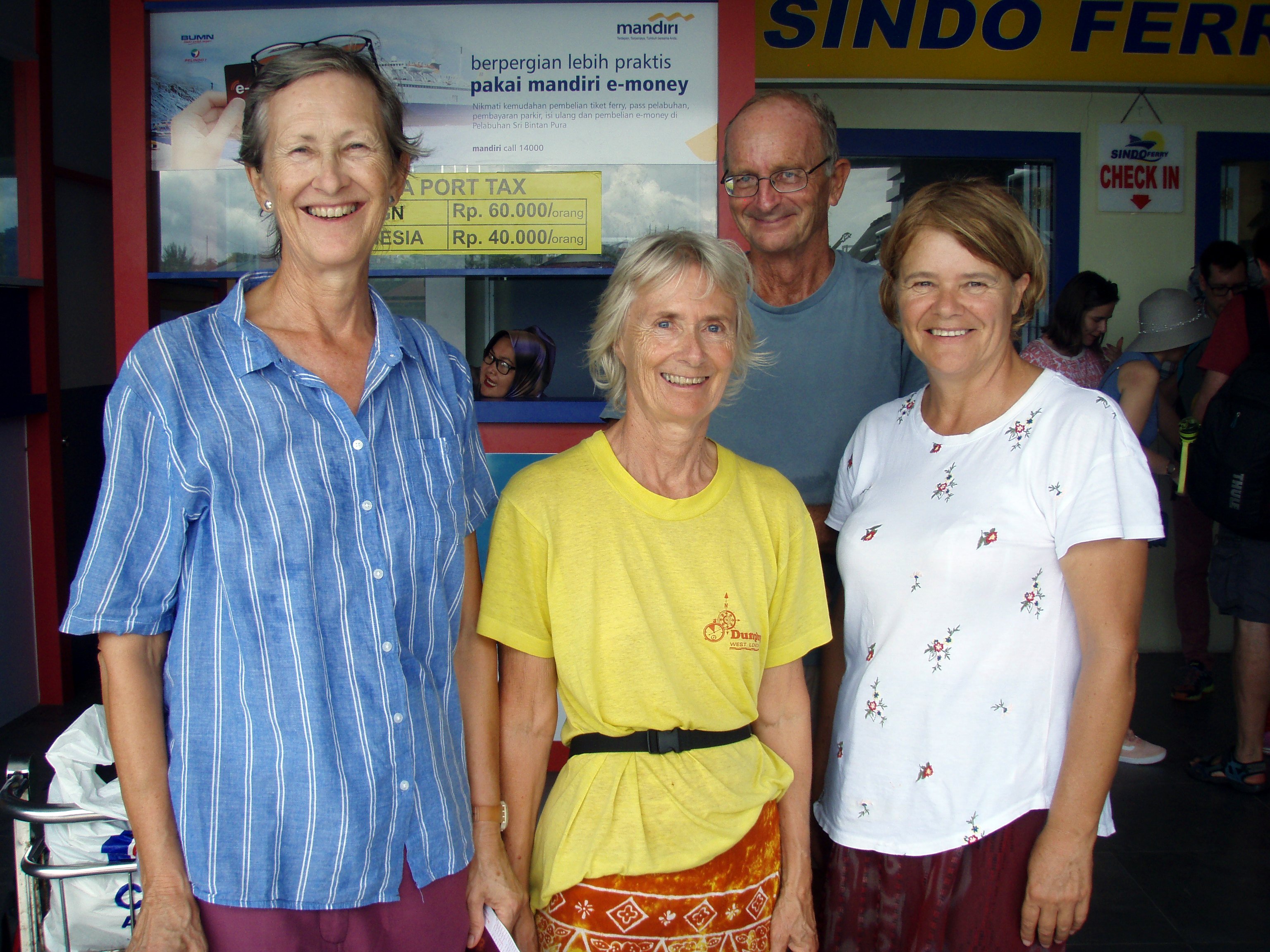
Two of my crew leave on the fast ferry to Singapore, soon to enjoy a well-earned shower (though I shan’t publish the happy photo of post-shower pink and smiling faces!).
Going our separate way at the fast ferry terminal
I could write lots and lots about the joys and trials of sharing small boat life with two, and then three, women. Suffice to say, I’ve enjoyed the time and adventures shared, learnt much, eaten lunches, tried to keep my mouth shut and never thought of taking my shorts off. Ann leaves me too a day or so later, and I slowly return to the routines and rigours of single-handed sailing.
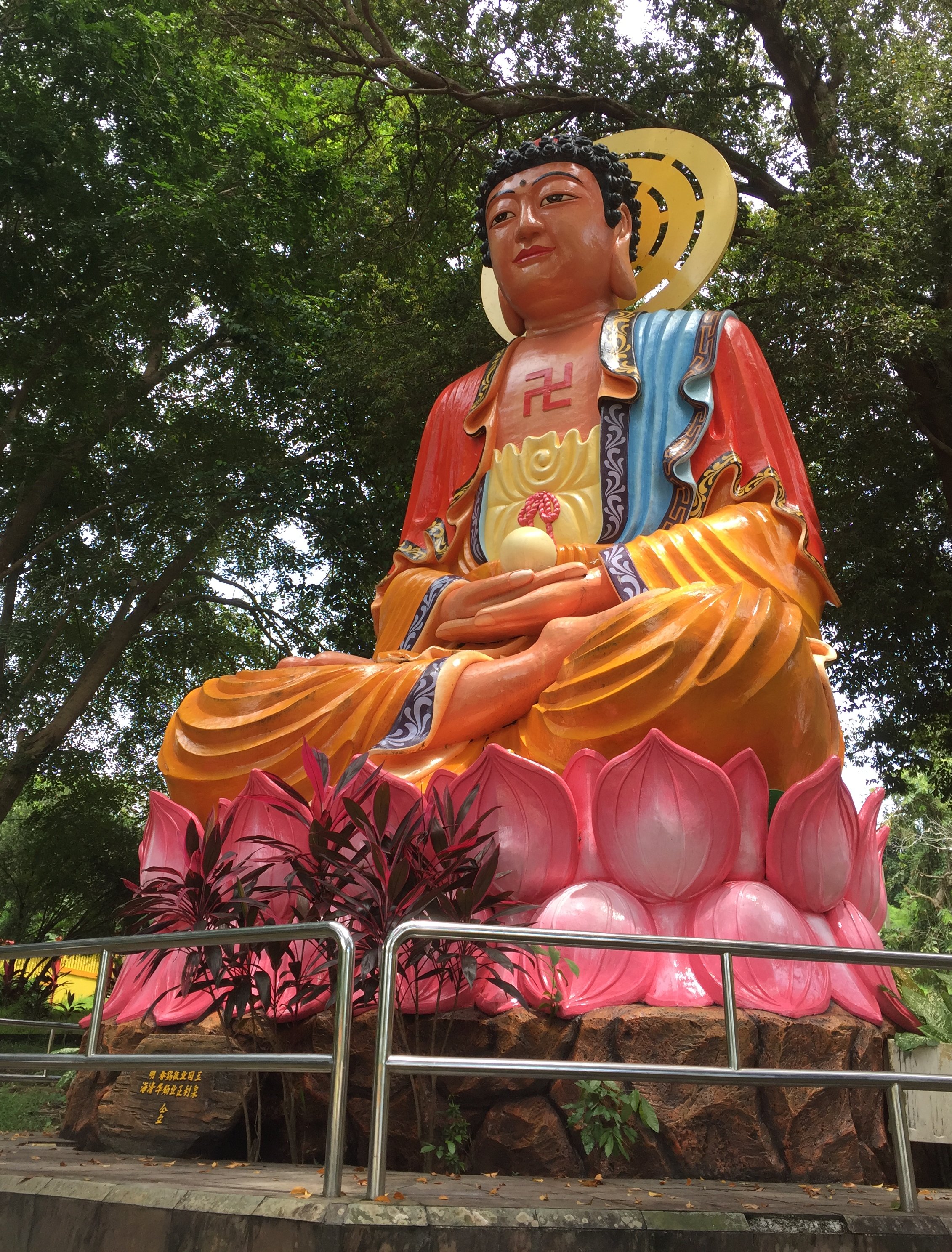
There’s a final rally outing around Chinese temples on Bintan, and to the birthplace of the Indonesian language, Pulau Penyengat (which alone would merit a chapter of a book…but here’s a photo or two instead….)
..and welcome dance..
Tanjung Pinang’s Mayor
another feast
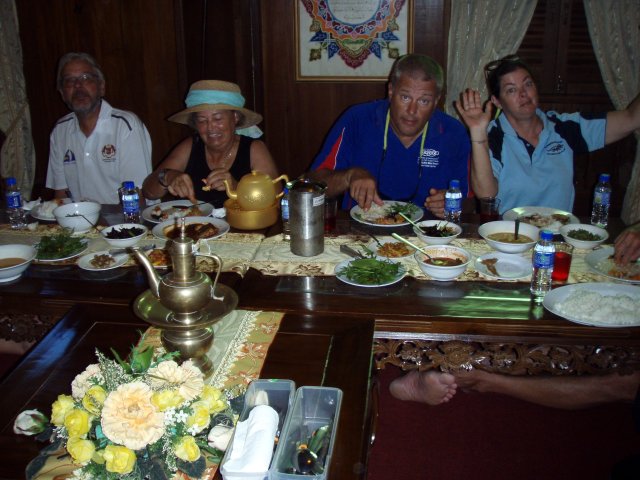
Final port of call in Indonesia, a soulless modern resort for well-heeled Singaporeans, is where we collect exit paperwork and passports (and eat yet another final dinner!). There are many emotional farewells as we part from friends established over the past three months and more – though I shall stay close to many as we soon head north to Malaysia.
Before leaving the island of Belitung and its remarkable islets of massive granite boulders, we visit a newly opened butterfly farm – so new that we visit on its very first day.
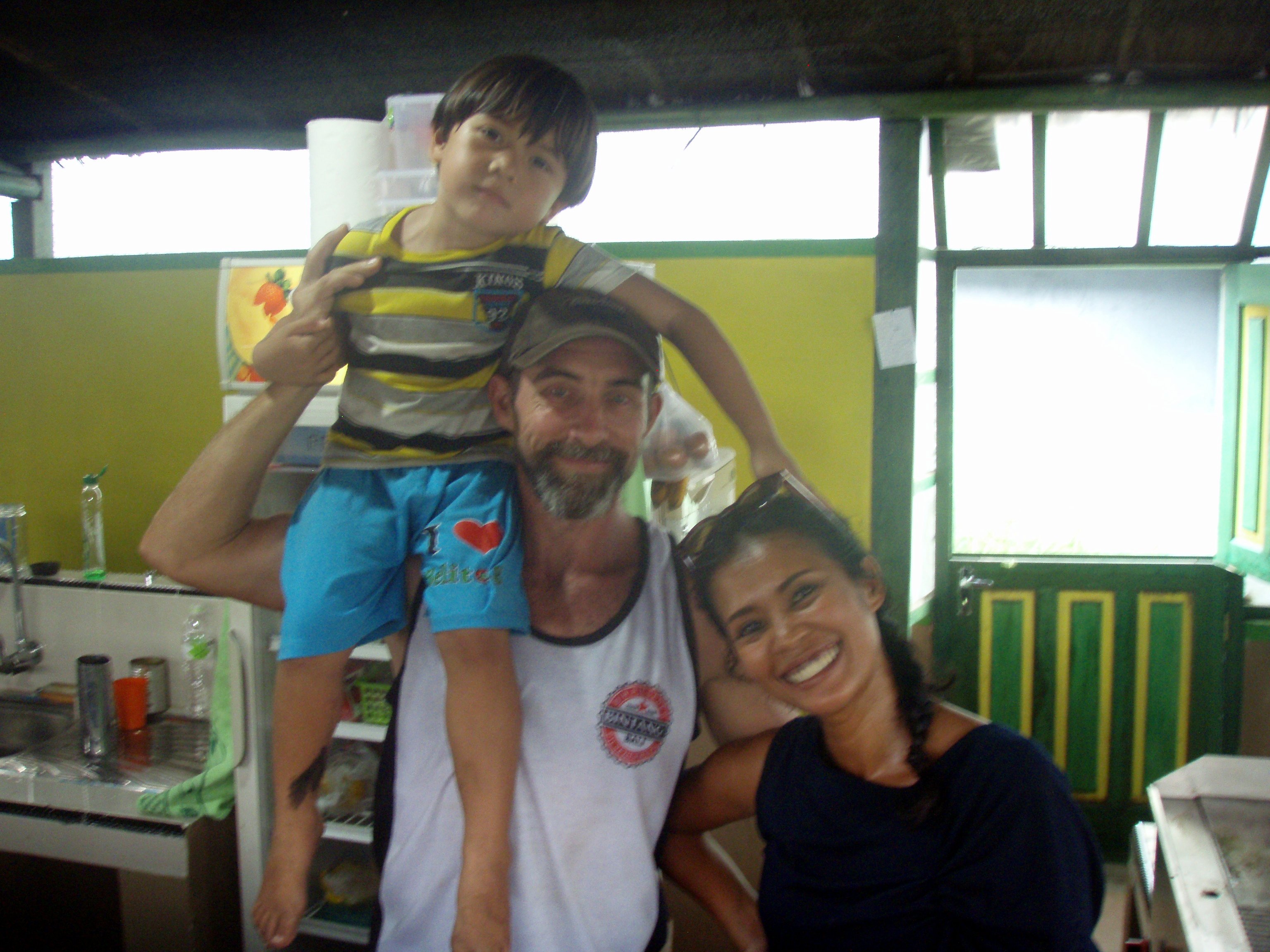
Alex, originally a Scot, is a youthful ex-teacher living with his young family near our anchorage. Rumour, which proved correct, had it that he was making pizzas; butterflies were a bonus, as was his exuberant and chattily imaginative son.
Alex and family
Butterflies were a problem though. Ideally they needed to be found at caterpillar stage when it was clear what leaf the caterpillar liked to eat (they are very fussy about their diet). Trouble was that caterpillars having spent ages munching leaves tended then to emerge as rather dull brown moths, not the hoped-for flashy butterfly. If caught at butterfly stage however, it wasn’t known for sure what leaf the egg/chrysalis/caterpillar would need, so offspring might simply starve, unless you happened to find the right leaf. The upshot of the complex butterfly reproductive system was that on the first day of opening there were only two butterflies, which we could not find anyway. But I admire such enterprise and enthusiasm, and can only wish success for such a venture.
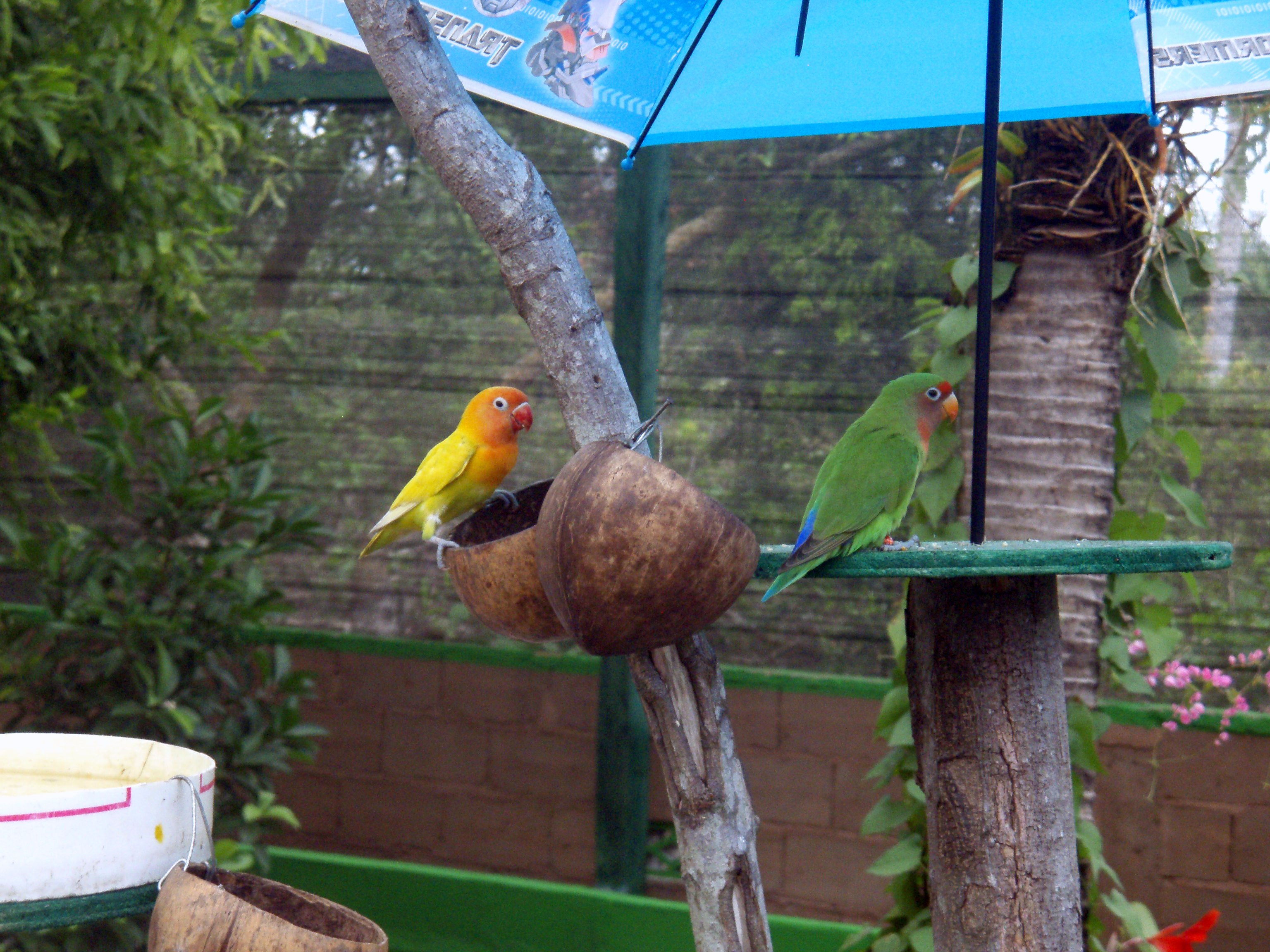
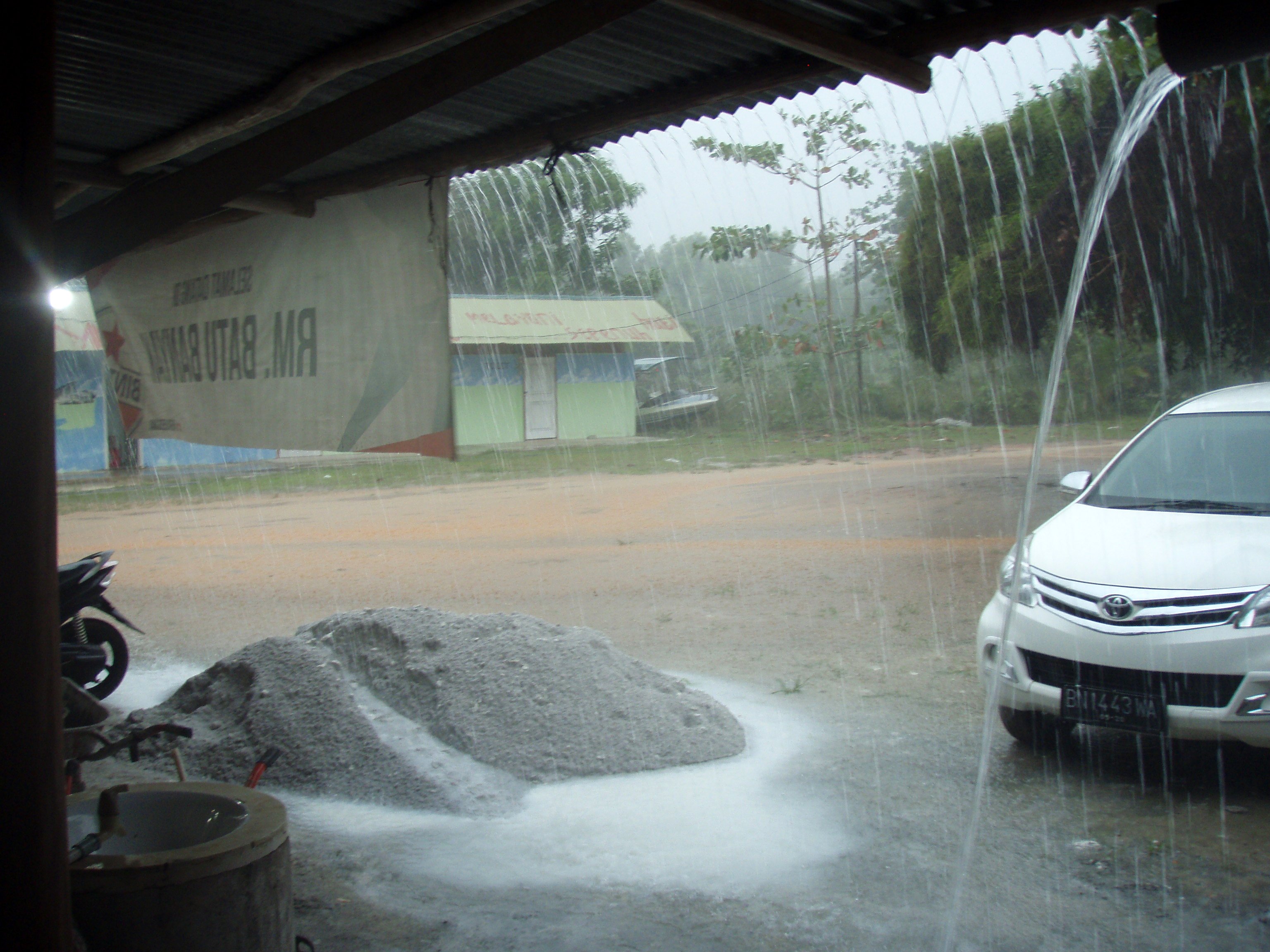
Despite lack of butterflies there were some colourful vivid yellow and green love birds, in the vast netted enclosure Alex had built. And I’m always fascinated in the stories and plans of men like Alex who choose to pursue passions way outside the norm. Pizzas were a delicious treat too. On the walk back, a fabulous torrential downpour and early monsoon storm freshened the sultry hot tropical day.
..shelter and watch and wait….
Next day we motor northwards, winds these days very light and fickle. It’s a rare bonus to have the sails up and drawing.
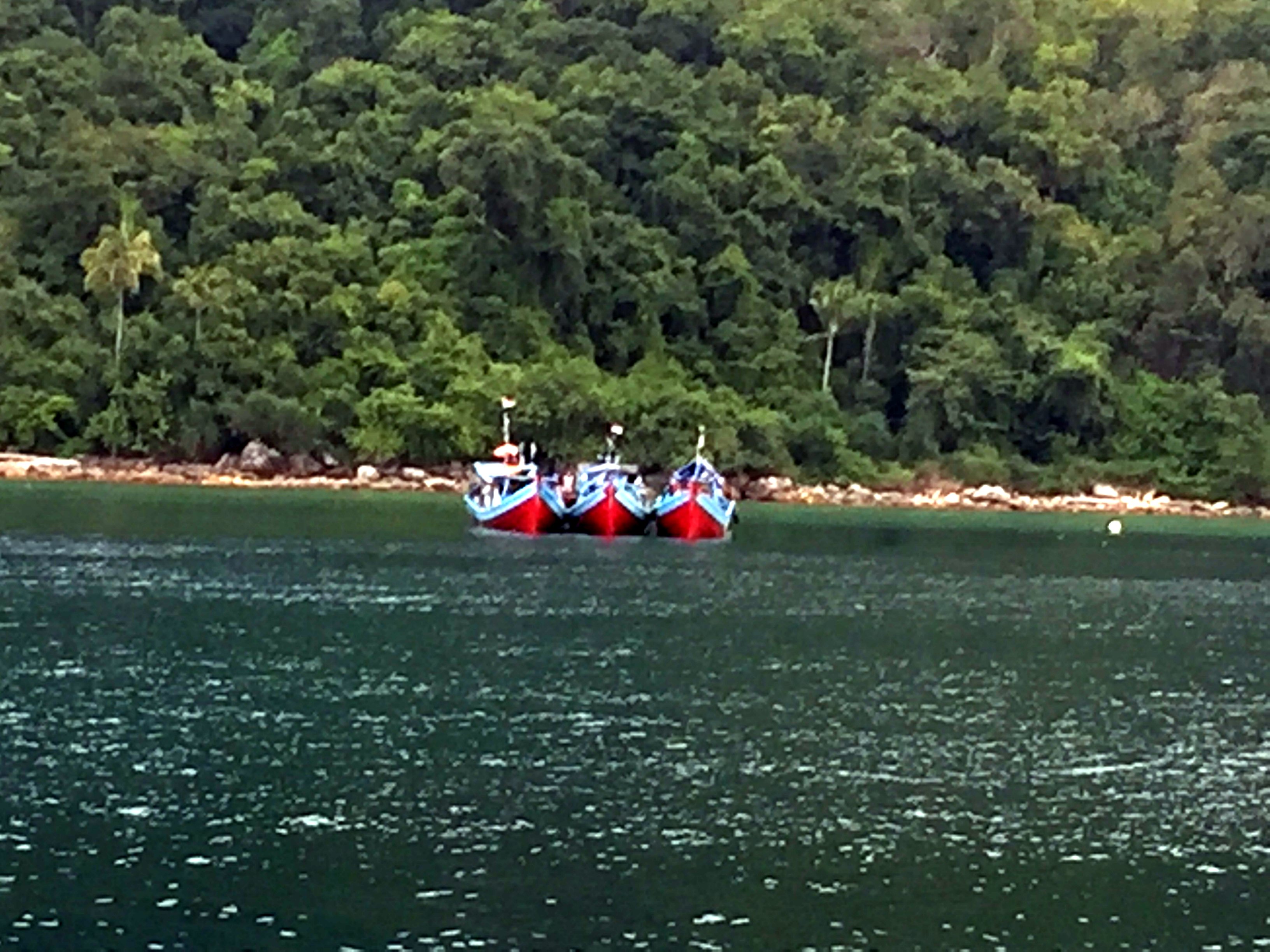
We stop between coral reefs for a night off the densely wooded and uninhabited island of Gelasa. Just a handful of colourful little fishing boats anchor there by day, and fish offshore after dark.
Fishing boats at Gelasa
Then, with some wind at last, on to the next Rally stop off the large island of Bangka. A lee shore was the designated anchorage but with heavy swell it is uncomfortable and feels insecure, and landing means total soaking of all on board – despite willing help of local youths who wade out to their necks to guide the tender onto the beach. After two such landings and two sleepless nights we, along with several others, sail gently 35 miles north to a large empty peaceful bay at the northeast corner of Bangka. (Later we learn the swell abated a day or so after we’d left)
Sailing north, overtaken by ‘Anemos’
Numerous fishing platforms off Bangka
It’s Caroline’s birthday, 21 all over again. The day is sociable with morning ramble over beach and hill, and evening bonfire on the remote sandy beach with food and friends from most corners of the sailing world. Local Indonesians are invited to join, and shyly sip drinks and nibble strange western food. The inevitable photo session, complete with obligatory thumbs-up, is just part of local life.
A gentle walk together
Caroline’s Birthday
Inevitable photos
Such evenings linger in one’s memory as among the best of a sailing cruiser’s life, a harmonious contrast to the discomforts and limitations of being off the beaten track of normal dirt-dwelling life.
The sail from Bawean to Kumai in Central Kalimantan was marred by running aground near high tide on a lee shore near the river’s bar. Even with very capable help from fellow sailors and an Indonesian tug, we were unable to float free for many hours. After midnight a wind shift thankfully helped ease us off. (In case you’re interested, Navionics charts are hopelessly inaccurate in this area!)
Welcome dance for Central Kalimantan
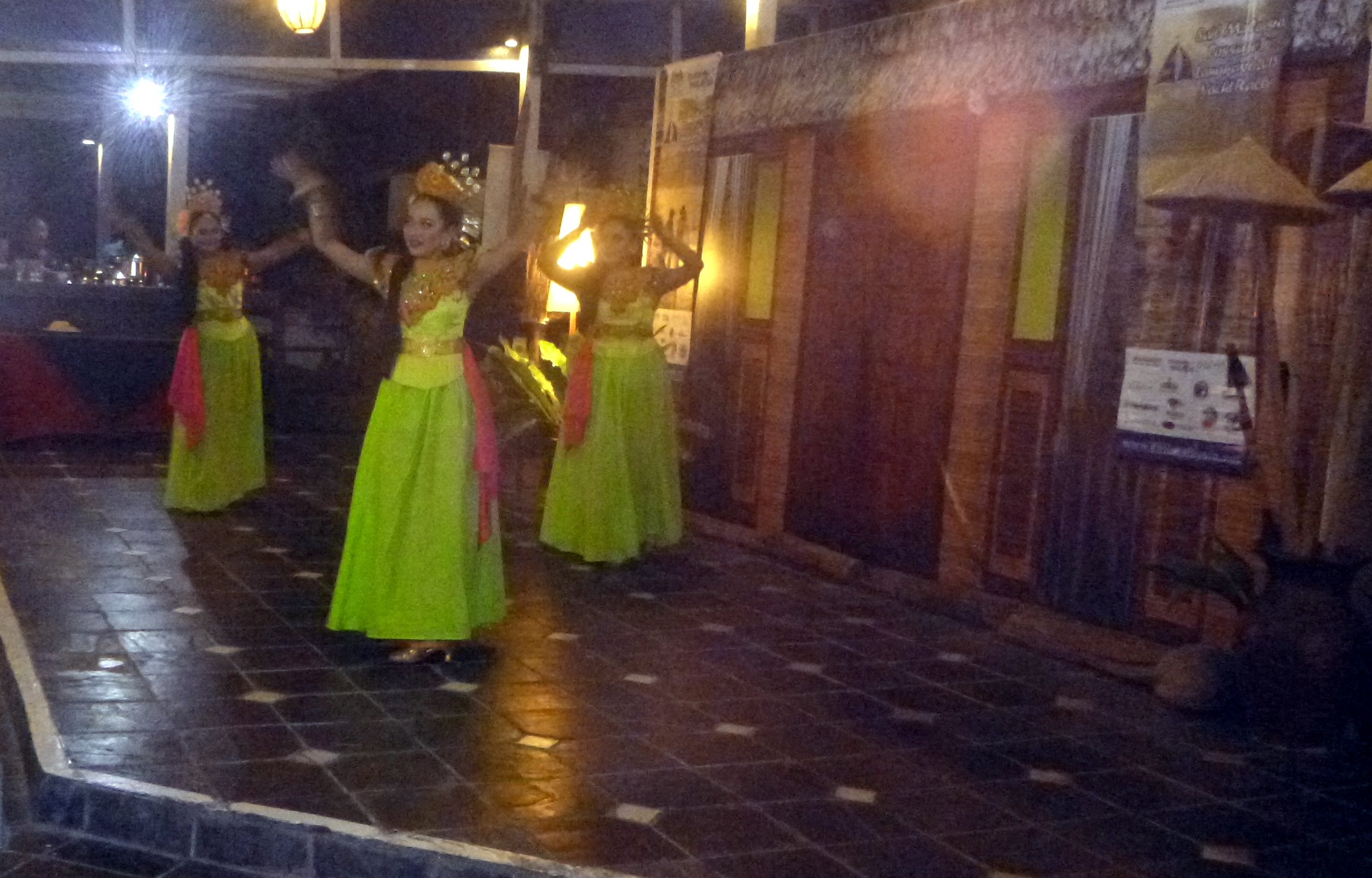
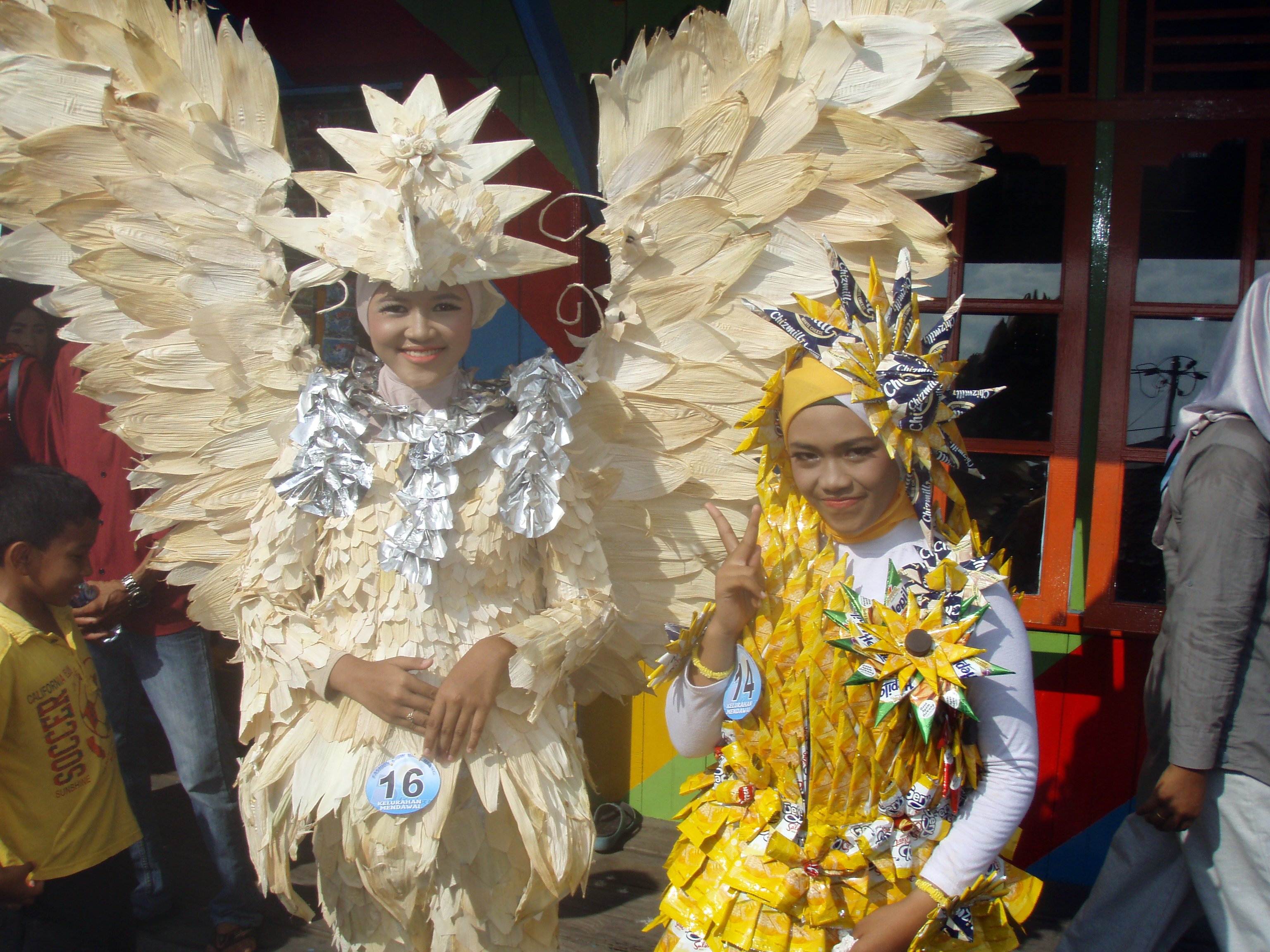
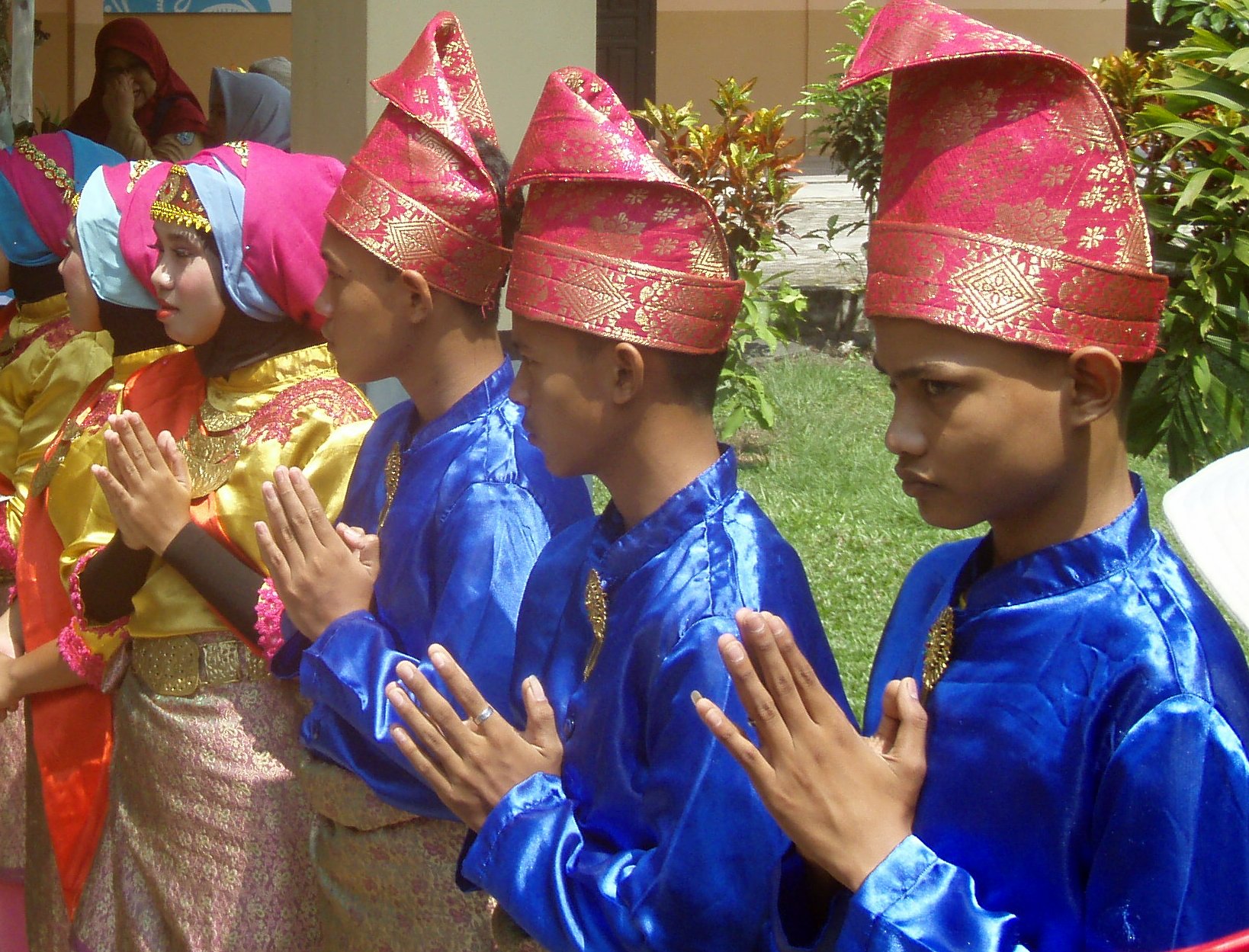
Then followed a few wonderful and especially memorable days. First, an action-packed day that left us dizzy with new experiences: in the space of 15 hours on that one day we had welcome dances, lessons in blowpipe use (the Dayak weapon of choice, though we did not use poisoned darts), drinks of rice wine in Dayak longhouse, a colourful children’s fashion show (in torrential rain), a ‘getek’ race on local river (‘getek’ is local open narrow motorboat), two palaces, gala dinner with speeches and dances (lest you think these dances are all the same, they’re not – Kalimantan’s being much less formalised with livelier rhythm (and apparently happier participants) than Bali’s, for example, but everywhere the costumes are fabulous). It was a supremely well-organised and fascinating introduction to Kalimantan. Here are a few photos….
This slideshow requires JavaScript.
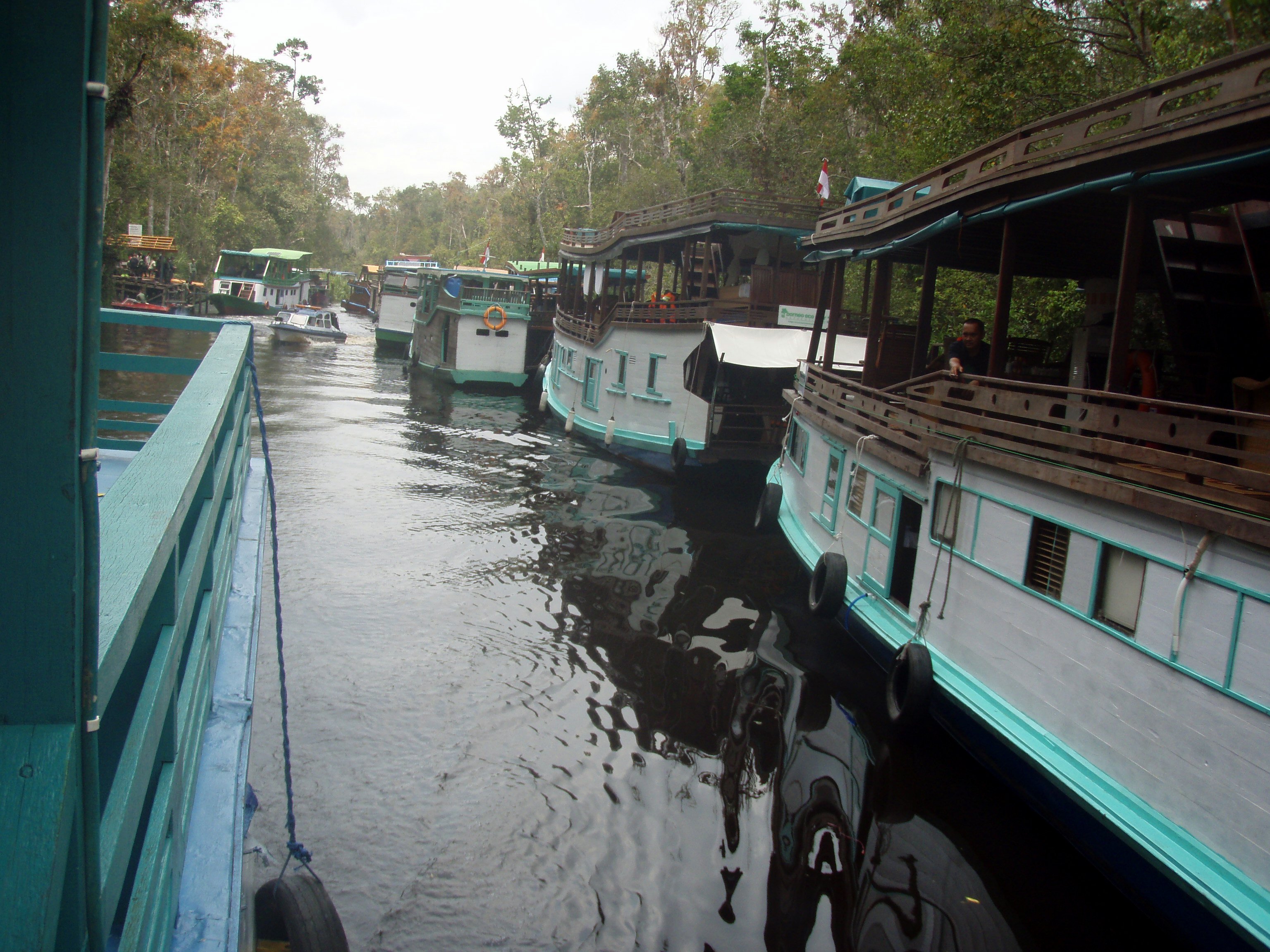
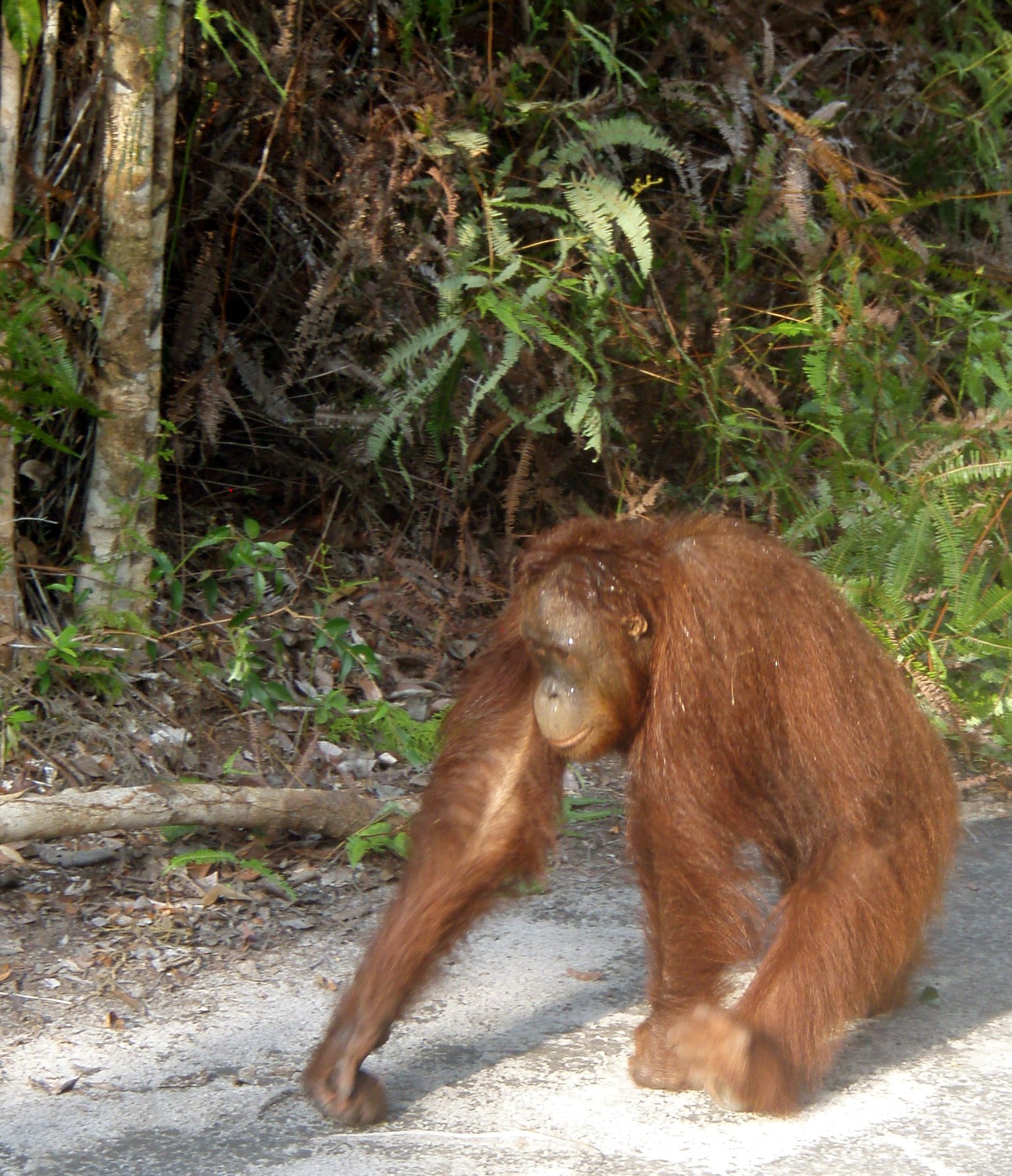
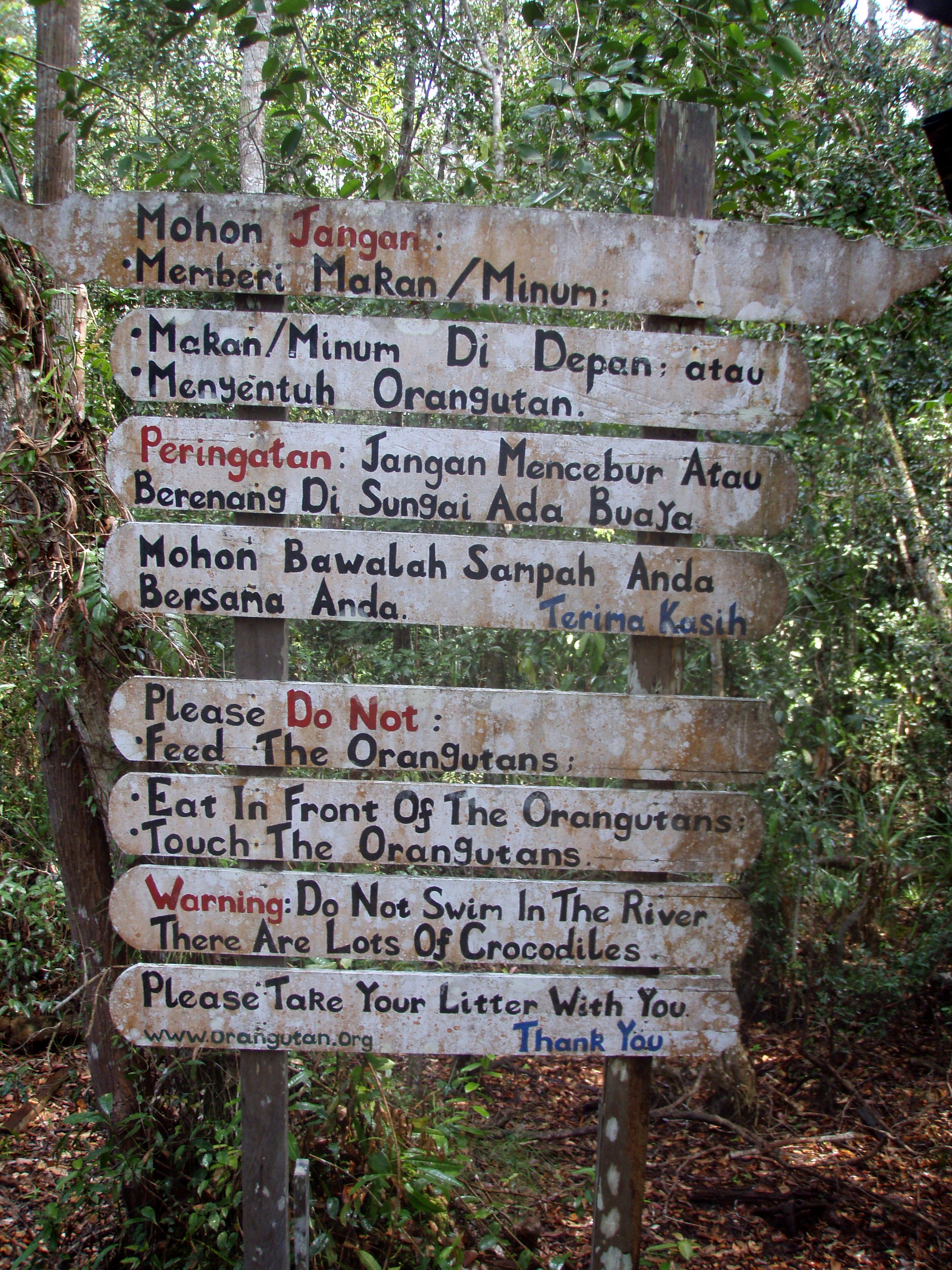
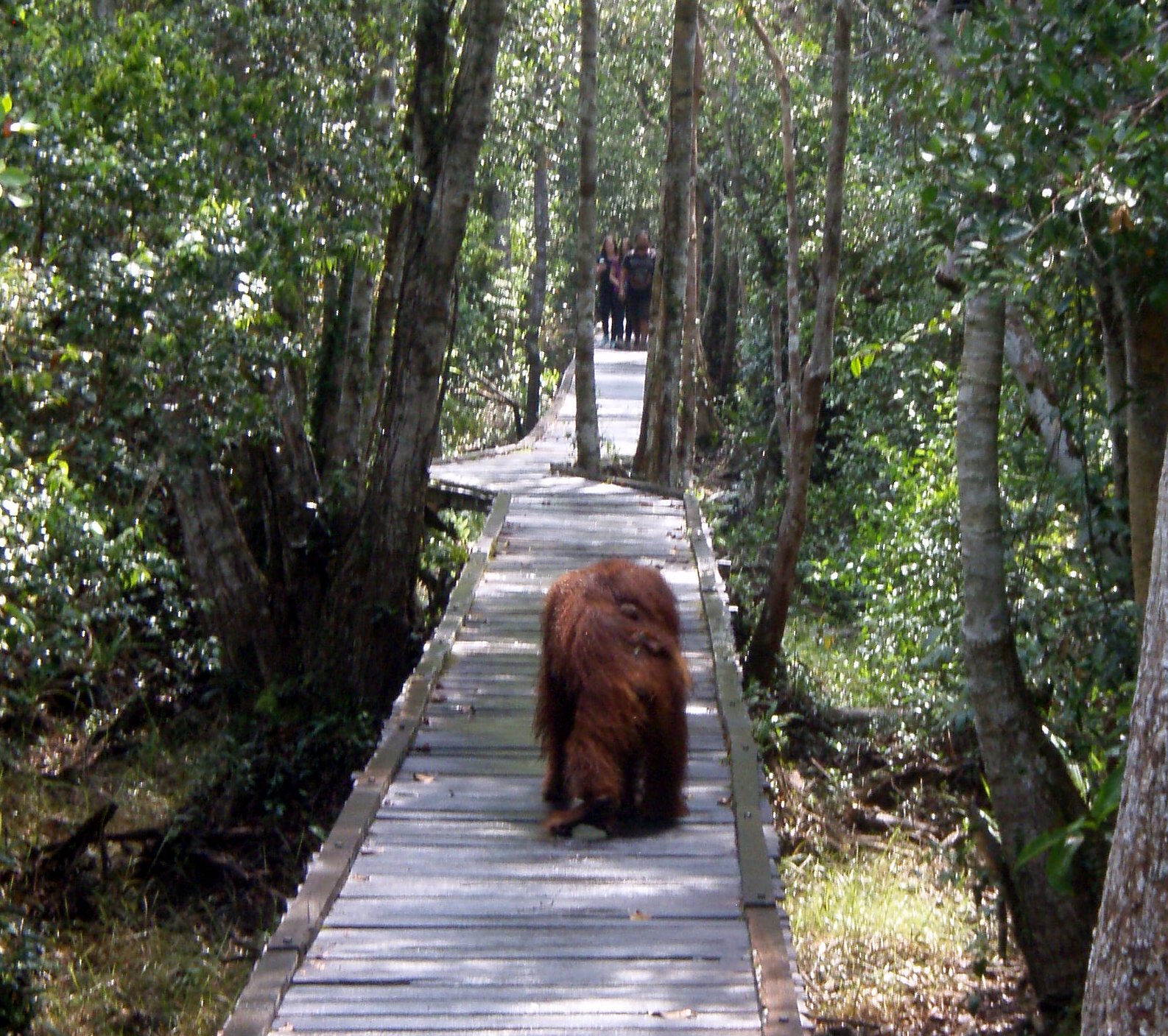
Next day, we’re collected by our ‘klotok’ (local boat, colourful double-decker) for ‘the orangutan trip’; three days and two nights when we are spoiled and guided by the local crew – four of them for the four of us.
A busy spot for ‘klotoks’
These trips are the prime reason for tourists to visit Kumai, and in peak months as many as a hundred of these boats are navigating the narrow waterways to and from the various orangutan feeding stations, and allied jungle walks, and viewing – and hearing – the varied local wildlife (which includes kingfishers, proboscis monkeys, fireflies and the amazing cacophony of creatures whose loud orchestra fills the night).
More comfortable than ‘Henrietta’
Crew, Ati, Sabri, Faqih and Oji, happy with t-shirts
With need to move briskly from Kalimantan to the next rally stop on the island of Belitung , nearly 300 miles away, we leave as soon as our orangutan cruise is over. It’s a tiresome trip with motoring and motor-sailing most of the way, adverse currents and a shipping lane, plus many tugs that pull big loads of coal or oil or goodness-knows-what across the Java Sea.
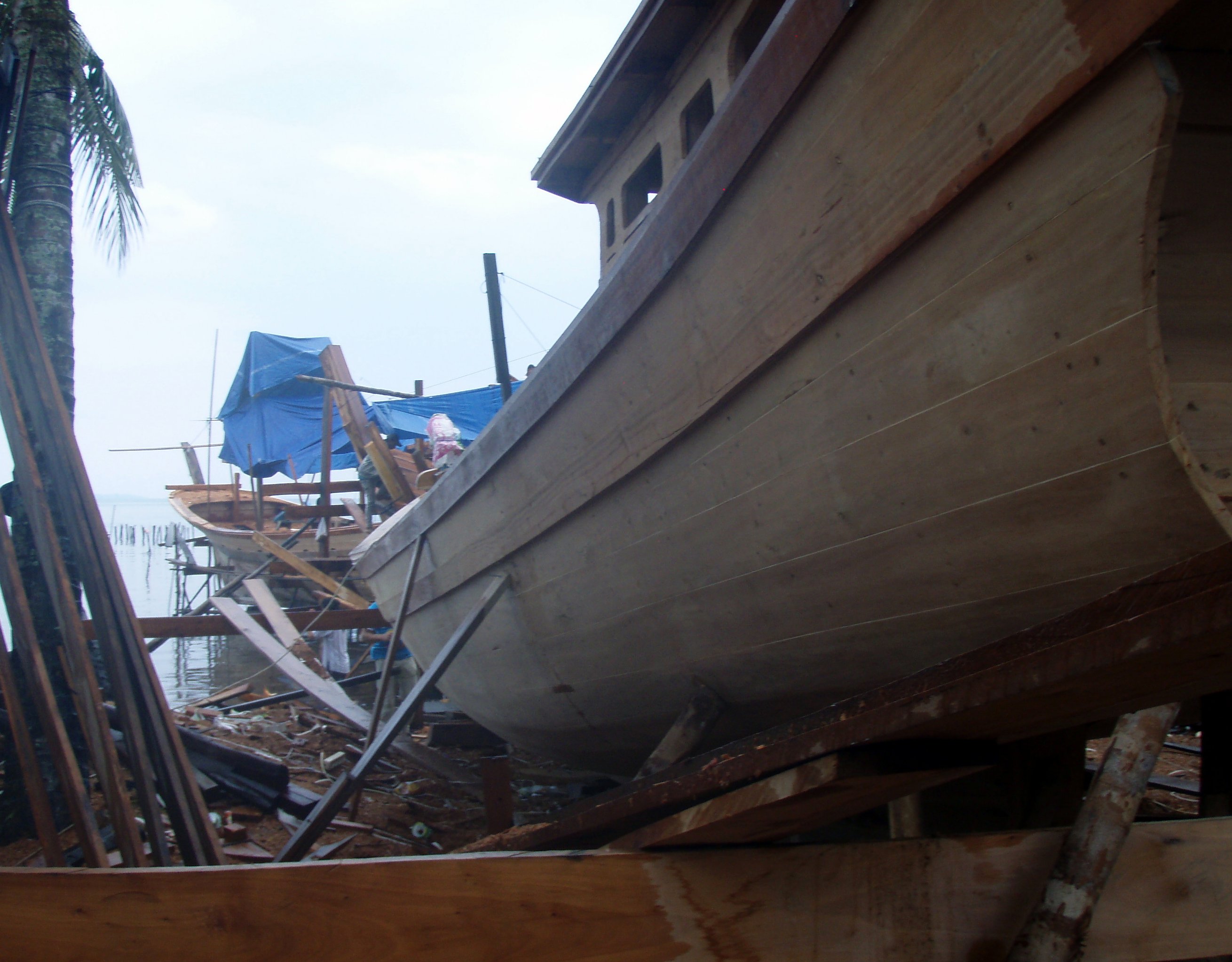
Small island Belitung boasts white sandy beaches and crystal clear water, and seems popular with Indonesians from Java and Sumatra. We have an organised coach trip to the town, our unflappable and smiling guide, Kiki, keen to show us the local sights (school, traditional house, market, dancing, snacks, meals, boat building et al.) and is only a little put out that no-one was up for karaoke on the return journey.
And then we’ve had a day of leisure on a gorgeous little islet decorated with huge rounded granite boulders, and the happy spectacle of young Indonesian girls learning to swim (or float at least) which they do with headscarfs and full dress, and lots of giggling…..but I had no camera…





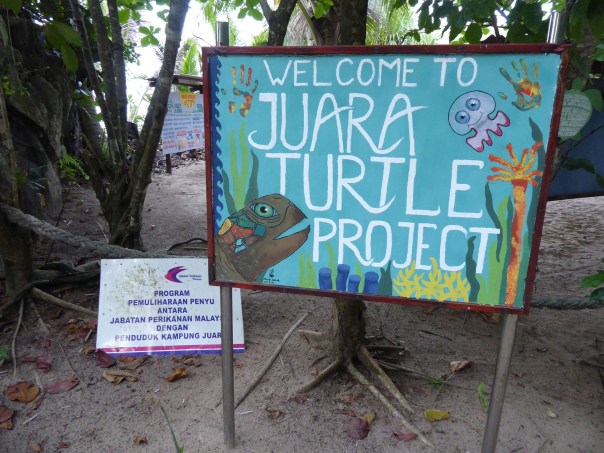 Perhaps a dozen young volunteers from around the world have created an information hub and turtle nesting area, where they enthusiastically tell us of the horrifyingly rapid drop in turtle numbers – in large part a direct consequence of man’s impacts (plastic and global sea temperatures).








































 Final port of call in Indonesia, a soulless modern resort for well-heeled Singaporeans, is where we collect exit paperwork and passports (and eat yet another final dinner!). There are many emotional farewells as we part from friends established over the past three months and more – though I shall stay close to many as we soon head north to Malaysia.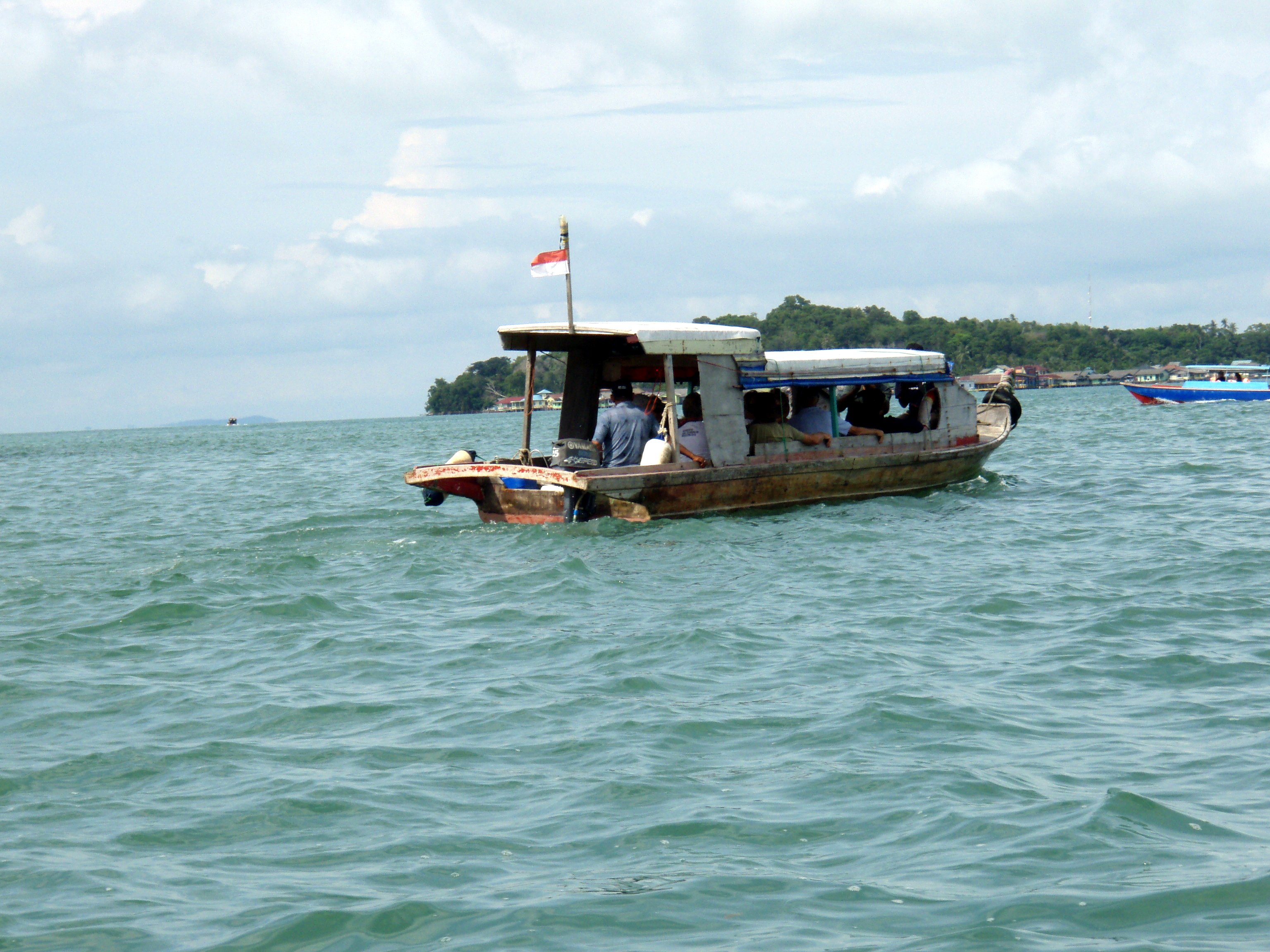



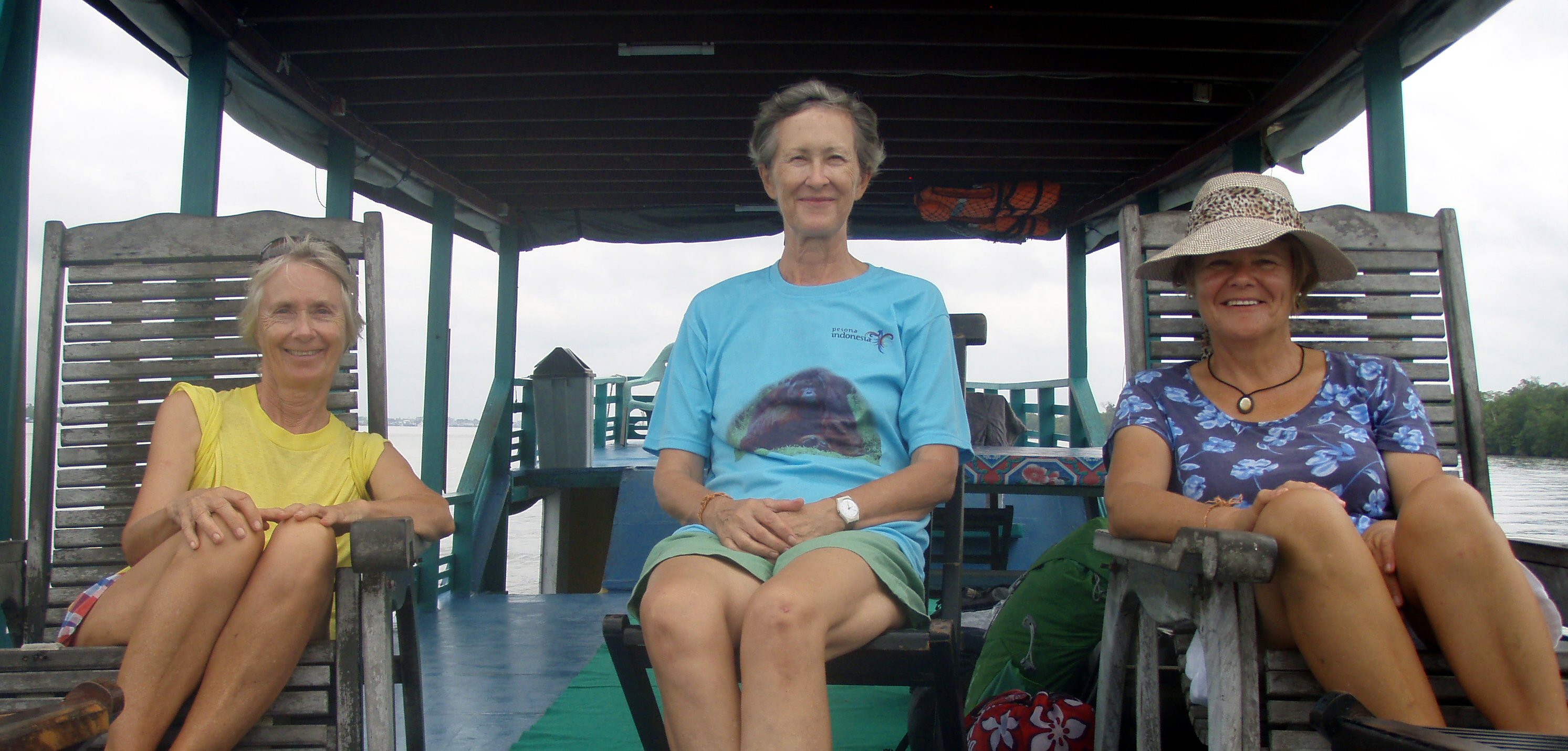
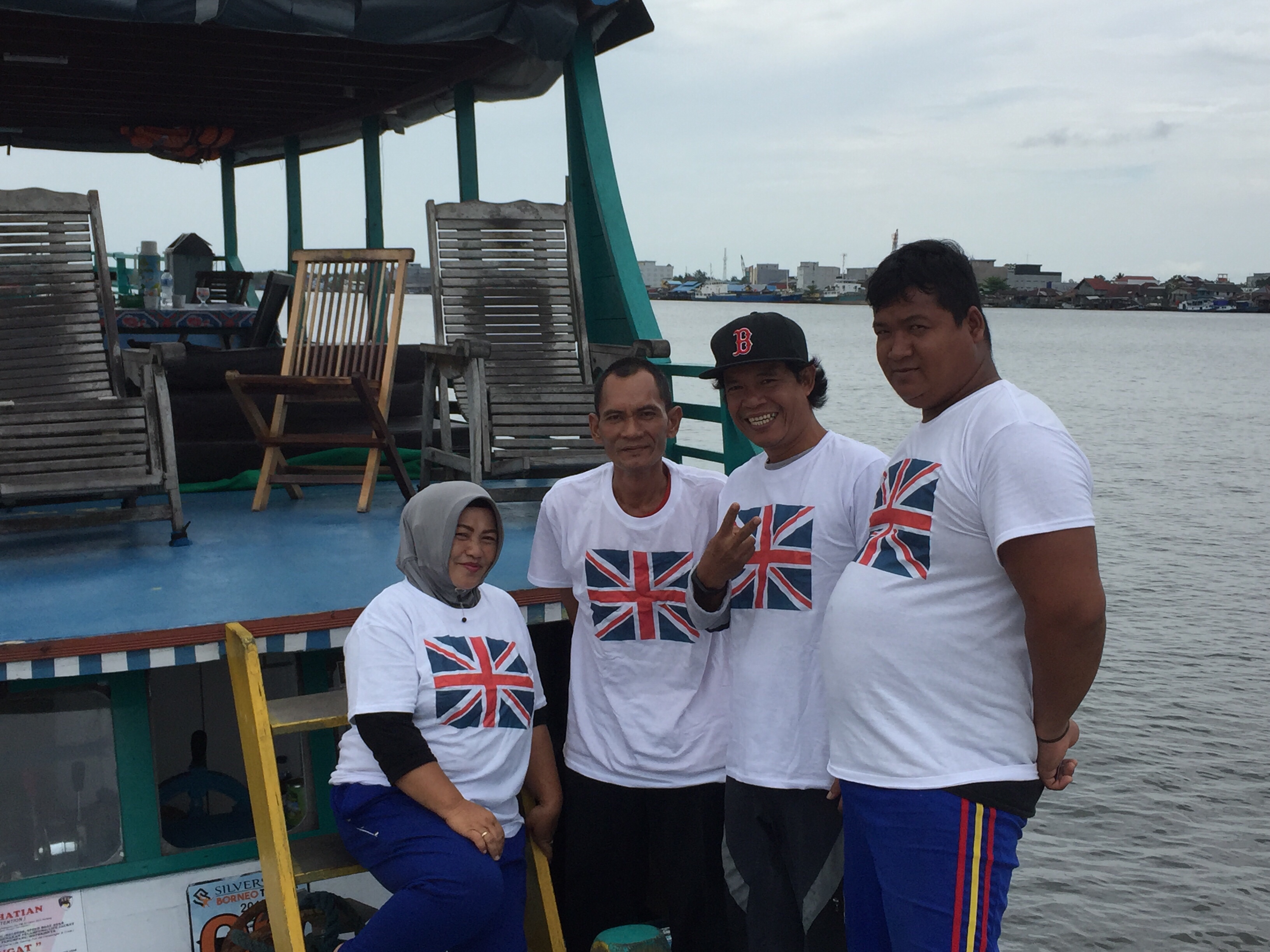 Crew, Ati, Sabri, Faqih and Oji, happy with t-shirts
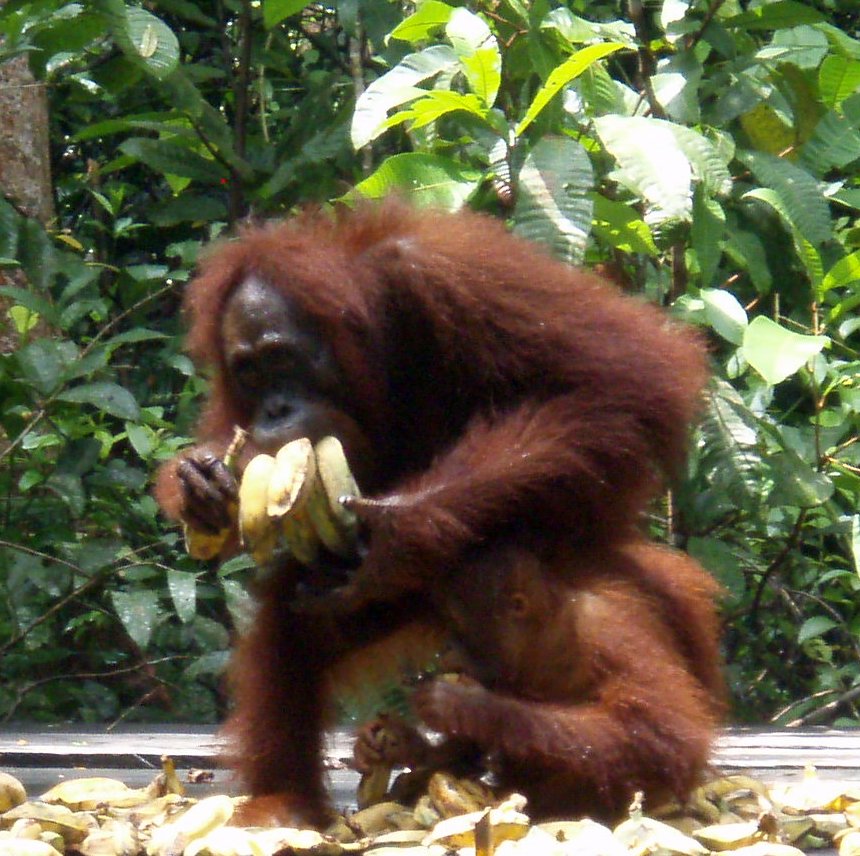
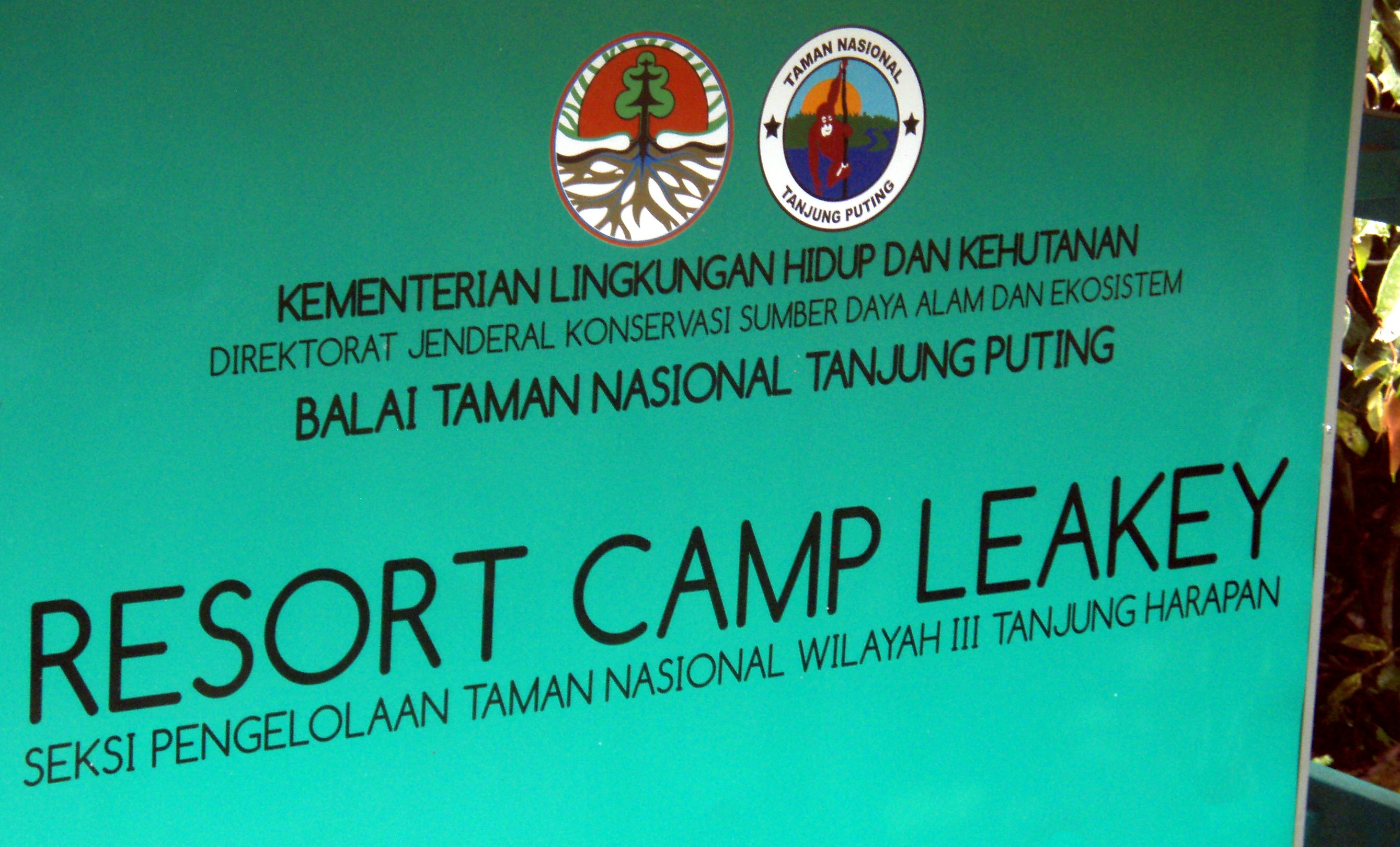
 Sailing Henrietta